Author: Mariah D Coleman

  • Examples of Nursing Informatics in Clinical Nursing Practice

    Nursing informatics plays an important role in everyday patient care. It combines nursing knowledge with technology to help nurses make better decisions, communicate with other healthcare professionals, and keep patients safe. As nurses, we use technology throughout shifts, to help make patient care easier, safer and less time-consuming. Some common examples include electric health records, barcode medication scanning, electronic medication scanning, electronic medication orders, and patient monitoring systems.

    1. Barcode Medication administration
    One example of nursing informatics that I find especially important is barcode medication administration

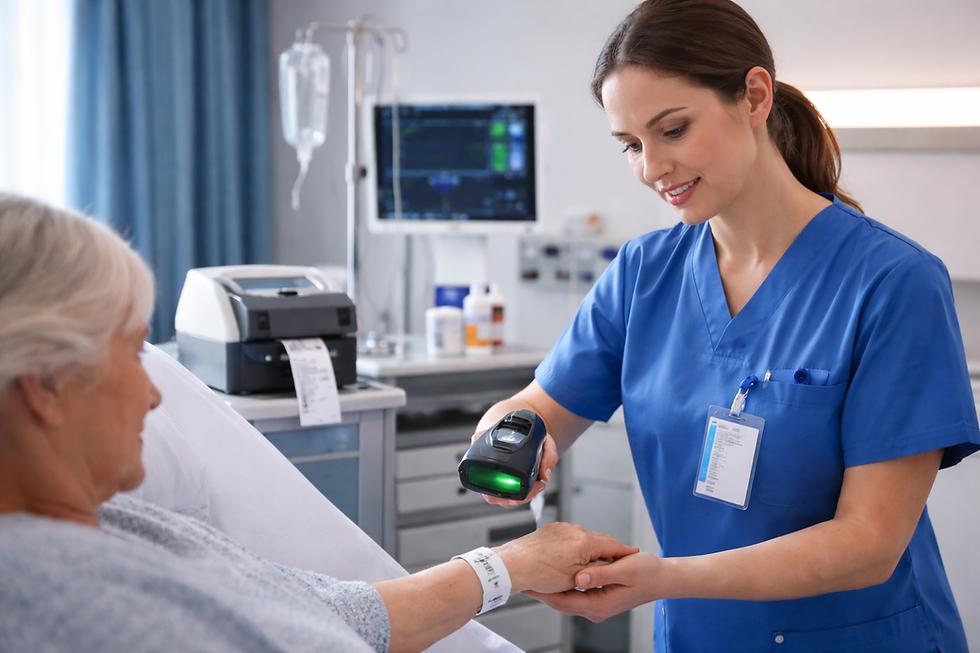
    One example of nursing informatics that I find especially important is barcode medication administration. Before Giving medications, Nurses scan the patient wrist band and the medication to make sure they match the electronic medication admiration record.

    I believe this technology is very helpful because nurses are often responsible for several patients at once, and medications errors can happen. For example, if a nurse accidentally picks up a medication intended for another patient, the scanning system can alert the nurse before the medication is given.

    According to Poon et al. (2010), barcode medication reduced medication errors unrelated to timing by 41.4% and potential adverse drug events by 50.8%. This shows technology can help prevent mistakes and improve patient safety.

    2. Electronics Health Records
    Another example of nursing informatics is the use of electronic health records, such as Epic. Nurses use electronic charting throughout their shifts to document assessment, vital signs, medications, and changes in a patients condition.

    For example, when patient has a change in blood pressure or develops new symptoms, the nurse can document the findings in the patient’s chart. Other, members of the healthcare team can review information and use it when making decisions about the patient’s care.

    I think electronic charting is helpful because it keeps important information in one place and makes it easier for nurses to communicate. According to the office of the National Coordinator for Health Information technology (ONC,2025), EHRS improve access to patient information and support better coordination of care

    3. Electronic Provider Orders and Lab Results
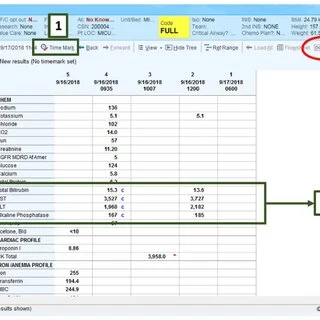
    Nurses also use informatics when reviewing electronic provider orders and laboratory results. Instead of relying only on paper orders, nurses can access medications, diagnostic tests and treatment instructions through the patient’s electronic chart.

    For example, if a patient has abnormal potassium level, the nurse can review the lab results, asses the patient, notify the healthcare provider, and follow any new orders. This is extremely important because recognizing abnormal lab values early can help prevent serious health complications.

  • Examples of Nursing Informatics in Clinical Nursing Practice

    Nursing informatics plays an important role in everyday patient care. It combines nursing knowledge with technology to help nurses make better decisions, communicate with other healthcare professionals, and keep patients safe. As nurses, we use technology throughout shifts, to help make patient care easier, safer and less time-consuming. Some common examples include electric health records, barcode medication scanning, electronic medication scanning, electronic medication orders, and patient monitoring systems.

    1. Barcode Medication administration
    One example of nursing informatics that I find especially important is barcode medication administration

    One example of nursing informatics that I find especially important is barcode medication administration. Before Giving medications, Nurses scan the patient wrist band and the medication to make sure they match the electronic medication admiration record.

    I believe this technology is very helpful because nurses are often responsible for several patients at once, and medications errors can happen. For example, if a nurse accidentally picks up a medication intended for another patient, the scanning system can alert the nurse before the medication is given.

    According to Poon et al. (2010), barcode medication reduced medication errors unrelated to timing by 41.4% and potential adverse drug events by 50.8%. This shows technology can help prevent mistakes and improve patient safety.

    2. Electronics Health Records

    Another example of nursing informatics is the use of electronic health records, such as Epic. Nurses use electronic charting throughout their shifts to document assessment, vital signs, medications, and changes in a patients condition.

    For example, when patient has a change in blood pressure or develops new symptoms, the nurse can document the findings in the patient’s chart. Other, members of the healthcare team can review information and use it when making decisions about the patient’s care.

    I think electronic charting is helpful because it keeps important information in one place and makes it easier for nurses to communicate. According to the office of the National Coordinator for Health Information technology (ONC,2025), EHRS improve access to patient information and support better coordination of care.

    3. Electronic Provider Orders and Lab Results

    Nurses also use informatics when reviewing electronic provider orders and laboratory results. Instead of relying only on paper orders, nurses can access medications, diagnostic tests and treatment instructions through the patient’s electronic chart.

    For example, if a patient has abnormal potassium level, the nurse can review the lab results, asses the patient, notify the healthcare provider, and follow any new orders. This is extremely important because recognizing abnormal lab values early can help prevent serious health complications.