Group 4 Members: Shanay, Pam, Tori, McKenzie, Melissa G., Jessica G.
Nursing Informatics In My Workplace
What Nursing Informatics Means to Me
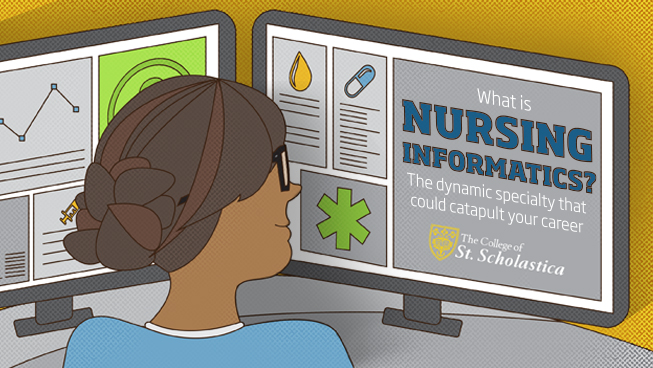
In my opinion, nursing informatics is an important part of nursing because we use technology every day to help take care of our patients. I feel that technology makes it easier for nurses to stay organized, communicate with other healthcare professionals, and keep track of important patient information. The American Nurses Association (2023) explains that nursing informatics brings nursing knowledge and technology together to help nurses manage information and improve patient care. I believe this is important because having the correct information available can make a difference in how quickly we recognize and respond to a patient’s needs.
How I Use Nursing Informatics at Work
As a registered nurse working at Regency Hospital in critical care, I use technology throughout my shift. I care for patients who have different medical conditions, and some require ventilators, tracheostomies, feeding tubes, and IV medications.
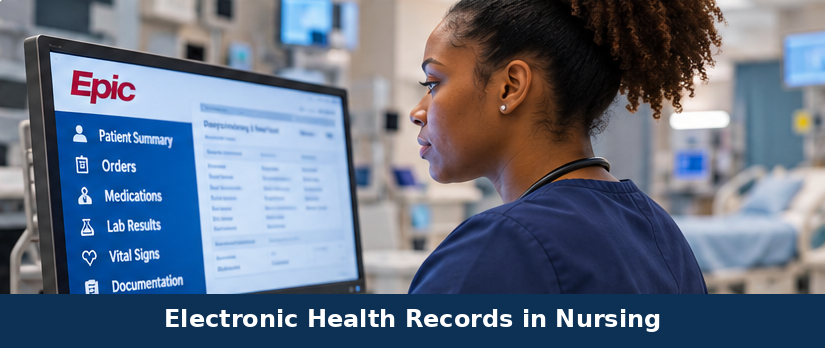
One example of nursing informatics in my workplace is using electronic health records (EHRs). Before I start caring for my patients, I review their medication orders, laboratory results, allergies, and previous nursing assessments. This helps me understand what is going on with each patient and what needs to be done during my shift.
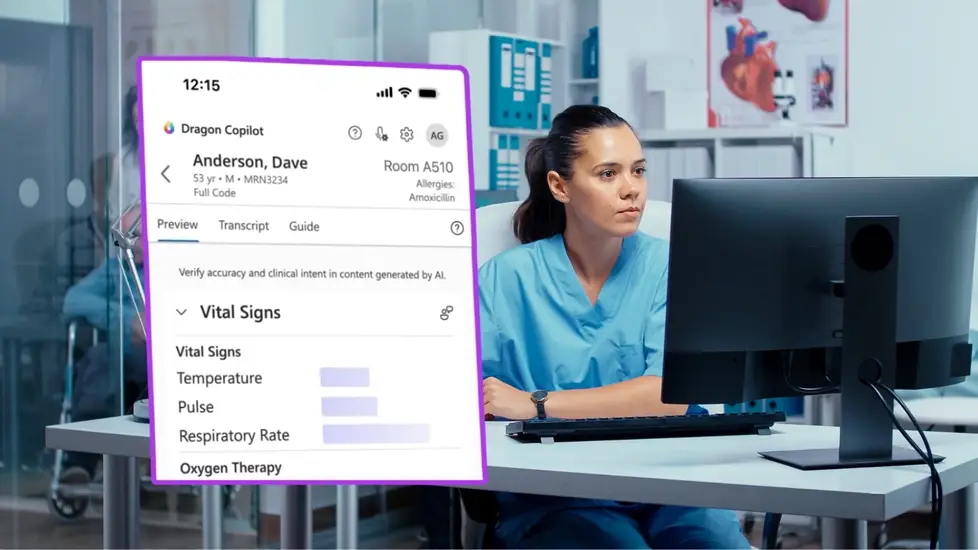
For example, if I have a patient receiving IV antibiotics, I review their laboratory results and vital signs to see if there are any changes that need attention. Another example is when I care for a patient with a tracheostomy or ventilator. I monitor their oxygen saturation, respiratory status, and vital signs. I document my findings so the healthcare team can review the information and follow any changes in the patient’s condition.
The Office of the National Coordinator for Health Information Technology (2025) explains that electronic health records help healthcare professionals share patient information and make better decisions about treatment.
Why Nursing Informatics Is Important
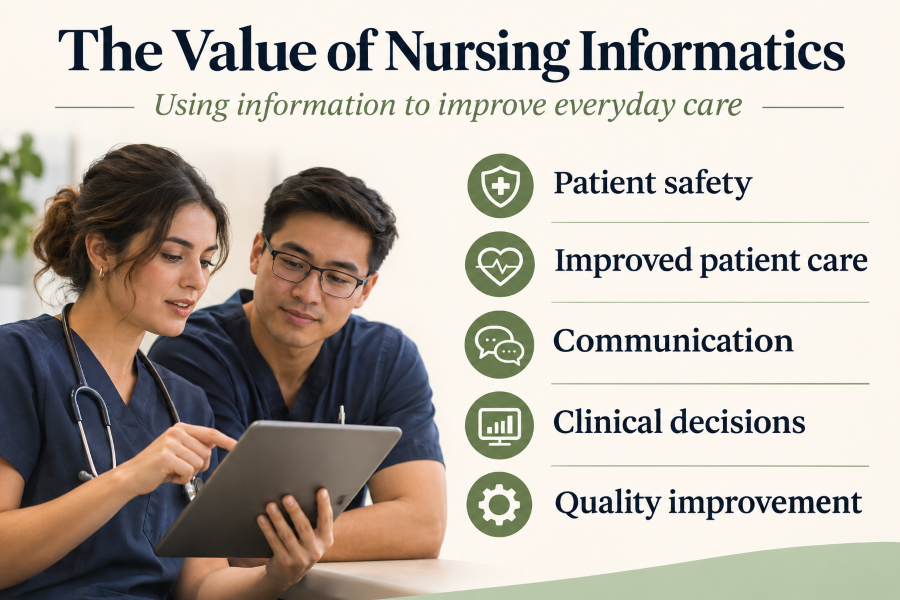
I believe nursing informatics helps prevent mistakes because nurses can review important information before giving medications or performing treatments. It also helps with communication because other nurses and providers can review what has been documented.
Another important part of nursing informatics is protecting patient privacy. According to the U.S. Department of Health and Human Services (n.d.), the HIPAA Privacy Rule helps protect patients’ personal health information. As nurses, we have a responsibility to keep patient information confidential and only access records for appropriate work-related reasons. https://www.nursingworld.org/content-hub/resources/nursing-resources/nursing-informatics/

My Personal Thoughts
Working in critical care has helped me understand how important technology is in nursing. Some patients can have sudden changes in their conditions, and being able to review their information helps me know what is happening and what concerns need to be reported. I also believe accurate documentation is important because the next nurse needs to know what happened during my shift.
Overall, I feel nursing informatics is something every nurse needs to understand. Technology makes our jobs more organized, but we still have to use our own nursing judgment, assessment skills, and critical thinking to provide the best care possible.
References
American Nurses Association. (2023, July 5). What is nursing informatics and why is it so important?
Office of the National Coordinator for Health Information Technology. (2025, December 10). Electronic health records and their benefits.
U.S. Department of Health and Human Services. (n.d.). The HIPAA privacy rule.
Informatics Defined
Technology is rapidly evolving every day, especially in health care. But what is informatics, and how does it fit into healthcare? Informatics can be defined by Miller as the act of applying information technology to the arts and sciences. (Miller, 2025.)
Careers in Nursing Informatics
There are many roles in the field of nursing informatics. Take a look below to learn more about some of these roles and exactly what they do to contribute to the world of nursing informatics.
Systems Educator: Plans and coordinates education for all computer programs and users.
Super User: Provides support for a specific unit, assisting with troubleshooting, functionality and procedural issues. This type of informatics job may be classified as a clinical role on a unit.
Information Technology Nursing Advocate: Assesses the opportunities for nurses with technology.
Additional careers in Nursing Informatics may include but are not limited to: systems specialist, project manager, consultant, clinical systems coordinator, research and project development.

Personal Thoughts and Daily Applications of Nursing Informatics.
Informatics and technology are used daily in hospitals, pharmacies, facilities and labs. Examples can include using an EMR or EHR system to access patient information. Programs like MyChart, Epic, Matrix, MyUnity and Point Click Care are vital in administering medications, treatments, and communicating with physicians during my shift. It ensures continuity of care, providing extensive information about a patient’s condition at the click of a button. Technology and informatics are used heavily in my facility, merging medications, pharmacies, patient demographics, charting, and communication with families. My shift would be a total nightmare without technology and the IT team that are constantly at work to make sure we have access to the right technology to deliver the best nursing care possible. https://www.hhs.gov/hipaa/for-professionals/privacy/index.html
Miller, K. (2025). Informatics and nursing: Opportunities and challenges (7th ed.). Wolters Kluwer.
Nursing Informatics
What is Nursing Informatics
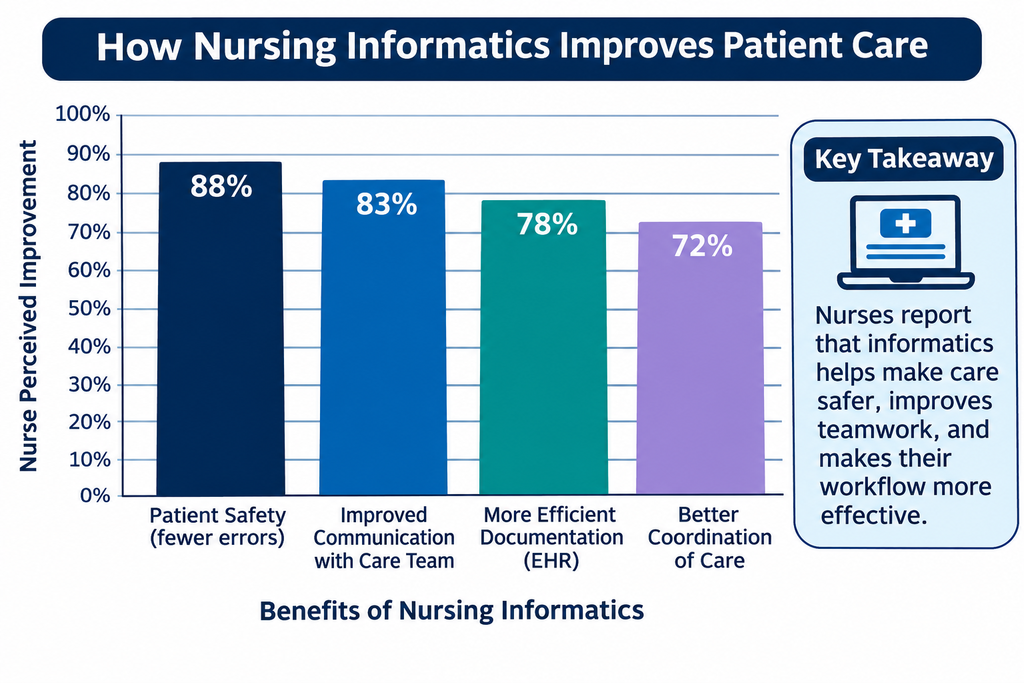
Nursing Informatics is where clinical care meets the data to support best practices. This can include real-time access to a patient health record, data to support process improvement, tracking patient outcomes, and protection of patient information.
How I use Nursing Informatics in my practice
I work as a leader in a healthcare insurance company. I frequently use data analysis to shape workflows. Process improvement is a large part of nursing informatics. Data is gathered and results can indicate that the process is successful, or it can indicate that a change in the workflow is necessary.
I also work on quality improvement projects that require data and clinical operations to reduce costs and improve care. For example, I have been working on a project to reduce hospital readmissions. I utilize data provided by the hospitals to determine the most common cause of readmissions and attempt to create interventions to improve the results.
Why is it important to healthcare?
Nursing Informatics is vital to healthcare for patient safety. The EMR is crucial in providing real-time data on each individual patient so that the care can be non -duplicative and move across the continuum to improve the patient outcome. In the past, healthcare workers had to rely on a patient’s historical account of their care. Now it is readily available and is accessible to all disciplines.
References:
Integration in the Workplace
As mentioned above, there are different ways to integrate nursing informatics in healthcare settings. Aside from electronic health records (EHR), equipment used in the inpatient setting as well as outpatient settings provides valuable purpose in providing the best possible care. Many facilities use Alaris brand pumps for infusion of IV fluids and IV medications.
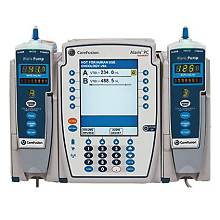
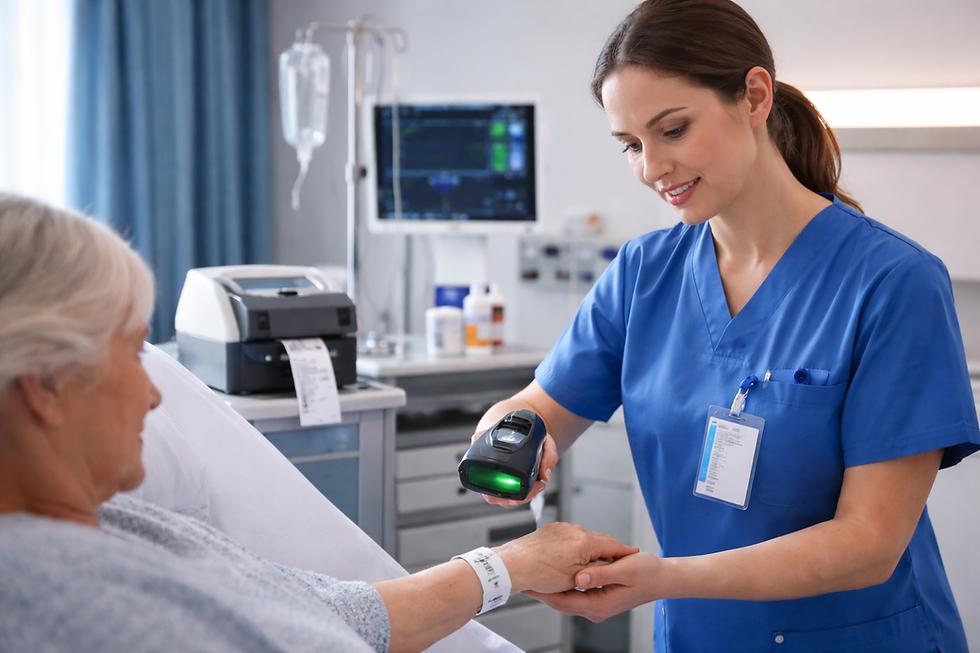
The Alaris pump is an amazing tool. The built-in drug library is very handy to have when at the bedside setting up an infusion to run. It has built in safeguards to keep your patient safe from potential errors. According to its website, the “BD Alaris PC unit wirelessly transmits key drug and infusion therapy data, centralizing access to infusion and monitoring data.”(BD Alaris™ PC Unit 2026). My hospital uses these pumps and they are such a great tool. We open the MAR in Epic, select the medication we need to begin infusing, scan it, then scan the pump, hit send, and then the Alaris PC unit and pump communicate with Epic. The nurse then follows the prompts on the PC unit to begin the infusion. The RN has to verify some information, check the safeguards, and then select start. Epic receives notification from the pump that the infusion has started. Then every hour we can verify the infusion in Epic, because the Alaris system communicates wirelessly with Epic.
Another piece of equipment that my unit uses that incorporates nursing informatics is the ventilators for respiratory support. In the NICU, we use a variety of respiratory support, but the ventilator that I am a fan of is the Getinge Servo ventilator. Getinge makes a variety of products, but we use the Servo-n for neonates and pediatric patients. Like the BD Alaris pump, the Getinge Servo communicates with our EHR. When we do our hourly checks and documentation, we can easily trend how our patient is doing by simply looking at the information imported to epic.
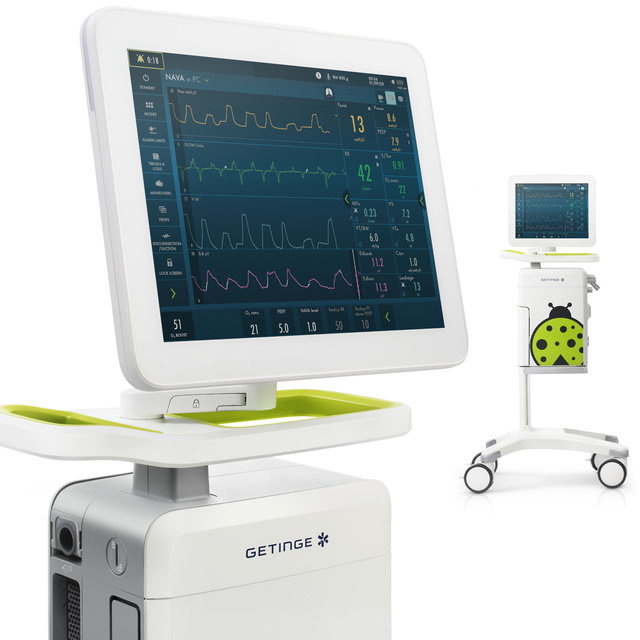
The reason this is helpful is that a provider can monitor the trends without coming to the bedside to review the ventilator. She can see how the patient is responding to the settings. If needed, the provider can come to the bedside to lay eyes on the patient and make any necessary adjustments.
References
BD AlarisTM PC Unit. BD. (2026). https://www.bd.com/en-us/products-and-solutions/products/product-families/bd-alaris-pc-unit
Getinge servo-N® – the all in one neonatal ventilator. Getinge. (2026, September). https://www.getinge.com/us/products/servo-n-neonatal-ventilator/
Attachments
| File | Size | Added |
|---|---|---|
| constrain-0x640–1372039716 | 101 KB | Nov 8, 2026 |
| OIP | 10 KB | Nov 8, 2026 |
| Nursing Informatics Improves Patient Care | 1 MB | Nov 5, 2026 |
| nursing_informatics_ehr | 316 KB | Nov 5, 2026 |

Leave a Reply
You must be logged in to post a comment.