Group 5 Members: Katie G., Teyanna, Sarah G., Ismail, Wangmo, Jessie
Please use this page to add your content, images, videos, links to additional content, and reference section.
What Is Nursing Informatics?
Nursing informatics plays an important role in healthcare by combining nursing knowledge, technology, and information to improve patient care. According to the American Nurses Association (ANA, 2023), nursing informatics combines nursing science, computer science, and information science to help healthcare professionals manage patient information and support clinical decision-making. It allows nurses to access important patient information, communicate with other healthcare professionals, and provide safe and effective care.
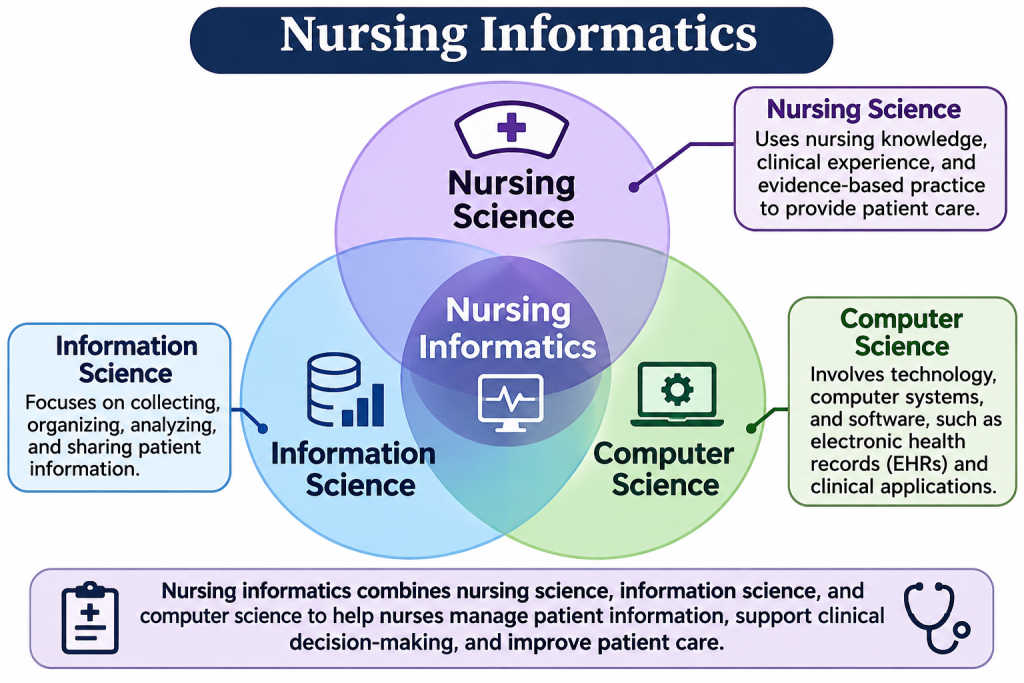
Figure 1. Nursing Informatics: Integration of Nursing Science, Information Science, and Computer Science.
Nursing Informatics in Clinical Practice
One of the most common examples of nursing informatics is the electronic health record (EHR), such as Epic. Nurses use EHRs to review patients’ medical histories, laboratory results, medications, vital signs, and provider orders. Having this information available in one place helps nurses stay organized and monitor changes in patients’ conditions (Miller, 2025).
For example, when caring for a patient receiving an insulin drip in the ICU, nurses can use Epic to review blood glucose results, document hourly blood glucose checks, and follow the prescribed insulin protocol. For patients with diabetic ketoacidosis (DKA), nurses can also review laboratory results, such as the anion gap and beta-hydroxybutyrate levels, to help monitor the patient’s response to treatment.
Nursing informatics also improves communication between healthcare professionals. For example, nurses can use Epic Chat to communicate with providers about changes in a patient’s condition or clarify medication orders. This helps the healthcare team stay informed and provide timely patient care.
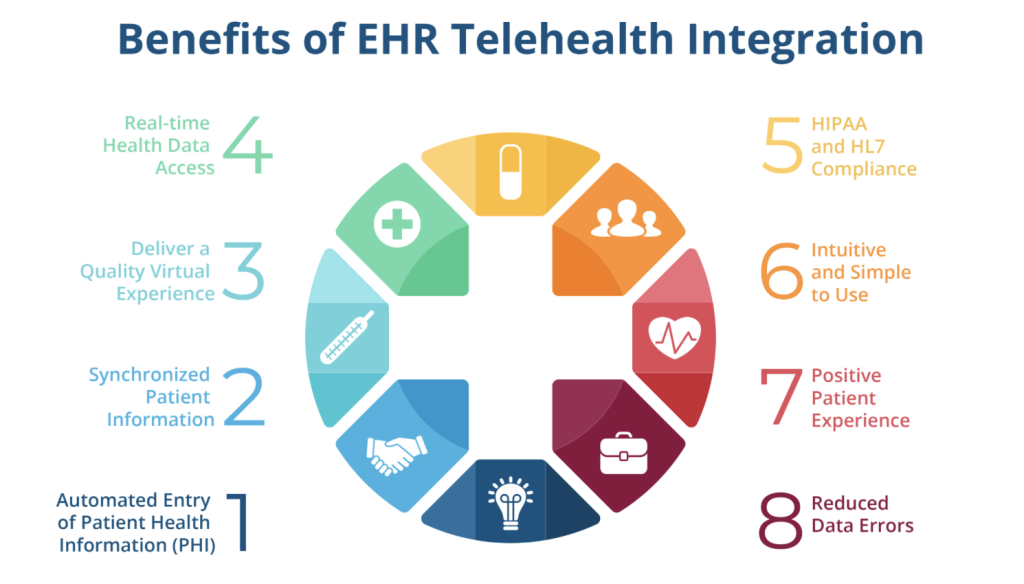
Figure 2. Understanding the Benefits of EHR and Telehealth Integration. Source: Geneca.
Electronic health records can also support telehealth by allowing authorized healthcare professionals to access patient information during virtual appointments. This can improve communication, support coordinated care, and make healthcare more accessible to patients.
Overall, nursing informatics helps nurses use technology along with their clinical knowledge to make informed decisions and improve patient safety.
Career in Nursing Informatics
There are several career opportunities available in the nursing informatics field. All of these roles are essential to the healthcare field as they ensure we have access to efficient systems that are easy to navigate and provide the crucial information needed to properly care for patients and increase patient outcomes.
- Nurse Educator/Instructor: responsibilities include, but are not limited to, training nurses on equipment such as glucometers, external pacers, proper IV insertion, and foley insertion and care. Nurse educators may also be responsible for developing competencies that are used to evaluate nurses to ensure skills are performed correctly (Miller, 2025).
- Clinical Informatics Specialist: also may provide training to staff, but specifically with proper use of data entry systems, how to actually build interfaces, and even troubleshoot software issues when they arise (Miller, 2025).
- Clinical Analyst: with the increasingly common use of electronic health records (EHRs) in the clinical setting, it is important that someone has the role of analyzing and interpreting data and trends to determine if current practices are working. Miller (2025) provides the example where a hospital might see an increase in hospital-acquired infections. It would be the role of the clinical analyst to determine how practices need to be modified to reduce them.
- EHR Implementation Manager: creates and customizes new EHR tools. Miller (2025) states this position is responsible for creating templates and recommendations for improvements in software and then coaches other on the new software.
- Chief Nursing Informatics Officer: an executive position where the individual oversees initiatives involving implementation of health informatics tools and patient records. They’re often involved in the launching, development and implementation of IN tools (Miller, 2025).
- Director/Manager of Clinical Informatics: supervises the design of healthcare information technology (HIT) systems by collecting, managing, and analyzing information (Miller, 2025).
Roles and responsibilities of informatics nurses:
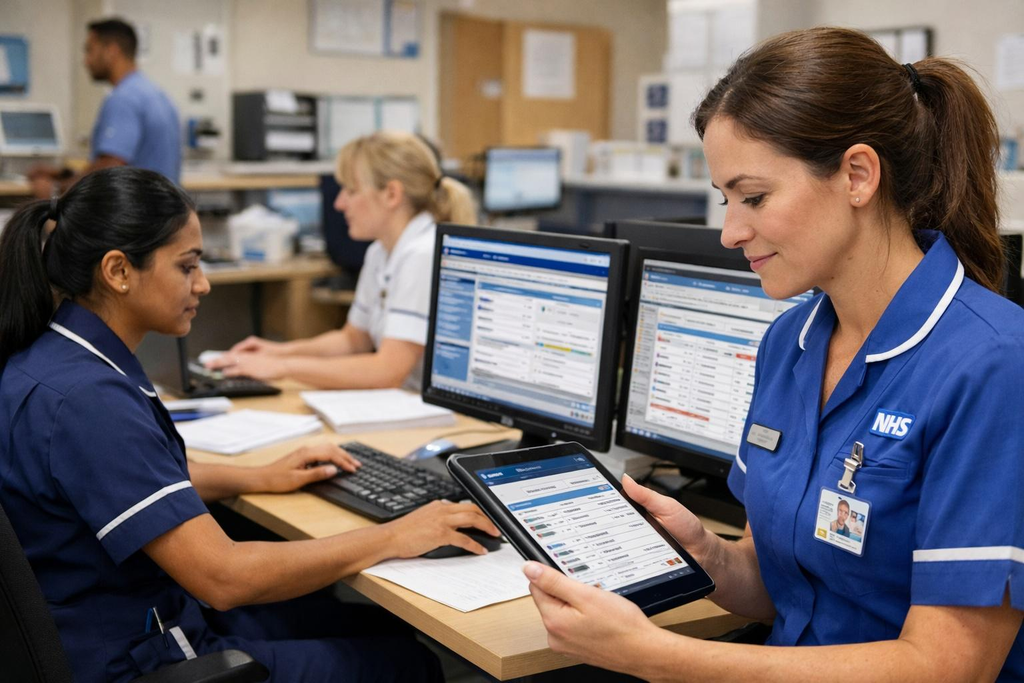
Informatics nurses use their clinical experience and technology knowledge to improve healthcare systems. Their responsibilities may include:
- Helping develop and improve electronic documentation systems.
- Educating nurses on new technology.
- Identifying opportunities to reduce errors.
- Supporting patient privacy and information security.
- Using healthcare data to improve quality and safety.
For example, an informatics nurse may help introduce a new medication scanning system and train staff ti use it correctly.
Challenges of nursing informatics
Despite its benefits, nursing informatics also presents challenges. Computer downtime, incorrect documentation, alert fatigue, cybersecurity risks, and unfamiliar technology can interfere with patient care.
Nurses need ongoing training and must know how to follow downtime procedures and report system problems.
Advantages and Disadvantages of Nursing Informatics
Nursing informatics, like anything else, has many advantages as well as disadvantages.
Advantages include:
- Improved communication, being able to quickly and efficiently communicate with another healthcare provider, no matter where they are.
- Hard stops, preventing you from moving forward when an error is detected. One example includes barcode medication administration (BCMA)
- Alerts regarding pertinent information such as allergies, critical lab values and drug interactions
Disadvantages:
- Alarm Fatigue, becoming mute to important alarms
- Data breaches/hacking, increased possibility of patient information being obtained
- Increased charting time, creating burnout and taking away from patient time
How Nursing Informatics Improves Patient Safety
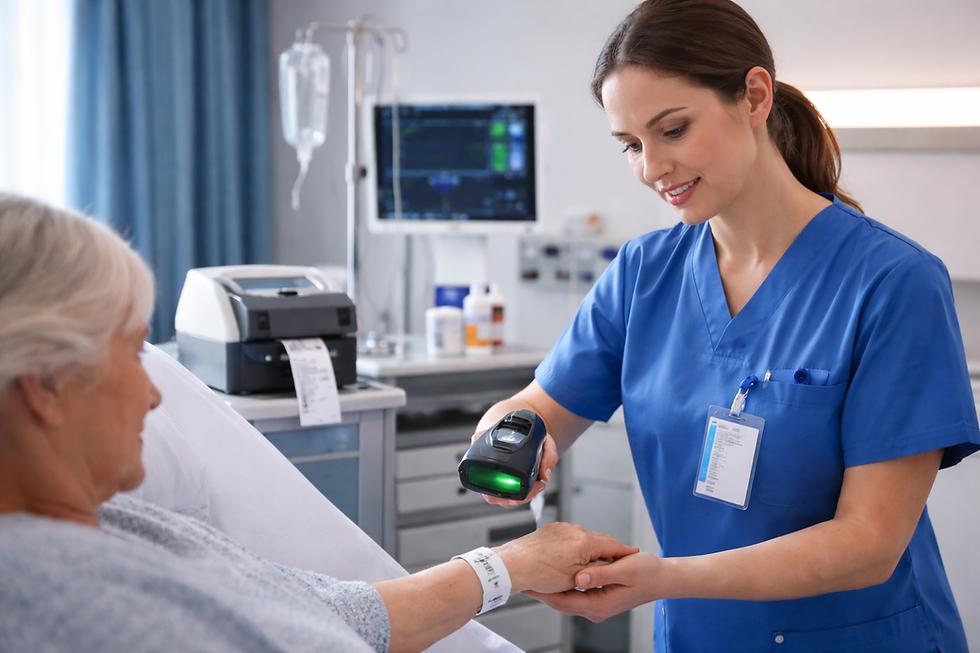
Nursing informatics also helps improve patient safety by reducing the risk of medication errors. One example is barcode medication administration (BCMA), which allows nurses to scan patients’ wristbands and medications before administration. This helps nurses verify that they have the correct patient and medication.
Electronic health records can also alert nurses about medication allergies and possible drug interactions. These alerts help nurses recognize potential safety concerns before administering medications.
Research by Williams et al. (2025) examined 613,868 medication administrations and found that 37% of barcode scanning mismatch alerts resulted in healthcare staff changing their actions. This shows how technology can help nurses identify potential medication errors. However, nurses must still use their clinical judgment and follow proper medication administration procedures.
Clinical Decision Support Systems and Alarm Fatigue
Another key area within nursing informatics are clinical decision support systems. CDSSs aid healthcare professionals in recognizing possible concerns and creating evidence-based clinical decisions using the patient’s data. Alerts regarding lab abnormalities, medication interactions, allergies, and/or changes to a patient’s status are examples of how CDSSs work. As stated by Sutton et al. (2020), CDSSs have been shown to increase patient safety through providing relevant data for healthcare professionals to consider during treatment decisions.
A specific application would include the utilization of electronic alerts identifying those at risk for sepsis. A patient’s electronic health record can track a patient’s vital signs, lab values, etc., and alert the nurse/hospitalist/physician when warning signs are apparent. While these electronic alerts will likely enhance early evaluation/treatment, they are often not 100% reliable. Nurses must utilize their clinical judgment to determine whether there is actual need for an intervention based upon the electronic alert.

Alarm Fatigue and Nursing Implications
While technology has the ability to assist in increasing patient safety; excessive amounts of alerts can lead to numerous problems. Alarm fatigue refers to healthcare professionals becoming “desensitized” or “overwhelmed” from repeated alarms that frequently do not indicate an urgent situation. Critical care areas are particularly vulnerable due to continuous monitoring of patients. Research completed by Sendelbach & Funk (2013) indicated alarm fatigue is one of the top five most significant patient safety issues. With so many false alarms occurring, it creates difficulty for nurses to quickly assess which alarms are indicative of a serious issue requiring immediate action. Educating hospital staff regarding alarm management and improving alarm settings and reducing unnecessary alarms can begin addressing this problem.
Nursing Informatics assists hospitals in evaluating these systems and determining strategies to develop more meaningful alerts without over burdening hospital staff. In summary, the ultimate goal of these systems is to provide nurses with timely, accurate information allowing them to concentrate on delivering quality direct patient care.
Nursing informatics is anchored by three essential components, frequently referred to as the data-to-wisdom framework, which directly supports clinical care:
- Information: Organized and structured data. When the patient data is collected overtime and compared against clinical benchmarks, it creates a structured history that allows healthcare providers to see trends, such as an escalating blood pressure pattern.
- Data: The raw uninterrupted facts gathered during patient care, such as vital signs, lab values, or demographic detail. On n their own, these individual facts lack context.
- Knowledge: The synthesis of clinical information across broad populations to identify rules, relationships, and evidence-based insight. This helps establish nursing clinical pathways and triggers appropriate protocol alerts within the electronic health records.
- Wisdom: The highest tier of clinical application. Wisdom combines nursing experience, critical thinking and advanced technology to make ethical, effective and highly personalized clinical decisions at the bedside.
Additional Resources
Learn more about nursing informatics and technology in healthcare:
American Nurses Association – Nursing Informatics.
HealthIT.gov – Benefits of EHRs
References
American Nurses Association. (2023, July 5). What is nursing informatics. https://www.nursingworld.org/content-hub/resources/nursing-resources/nursing-informatics/
Miller, K. (2025). Informatics and nursing: Opportunities and challenges (7th ed.). Wolters Kluwer
McGonigle, D, & Mastrian K (2022) Nursing Informatics and foundation of knowledge (5th edition) Jones & Bartlett Learning.
Sendelbach, S., & Funk, M. (2013). Alarm fatigue: A patient safety concern. AACN Advanced Critical Care, 24(4), 378–386. https://doi.org/10.1097/NCI.0b013e3182a903f9
Sutton, R. T., Pincock, D., Baumgart, D. C., Sadowski, D. C., Fedorak, R. N., & Kroeker, K. I. (2020). An overview of clinical decision support systems: Benefits, risks, and strategies for success. npj Digital Medicine, 3, Article 17. https://doi.org/10.1038/s41746-020-0221-y
Williams, R., Kantilal, K., Man, K. K. C., Blandford, A., & Jani, Y. (2025). Barcode medication administration system use and safety implications: A data-driven longitudinal study supported by clinical observation. BMJ Health & Care Informatics, 32(1), Article e101214. https://doi.org/10.1136/bmjhci-2024-101214
Leave a Reply
You must be logged in to post a comment.