Group 12 Members: Talia, Kelly W., Amy W., Deanna, Samantha, Crystal, Willy
Please use this page to add your content, images, videos, links to additional content, and reference section.
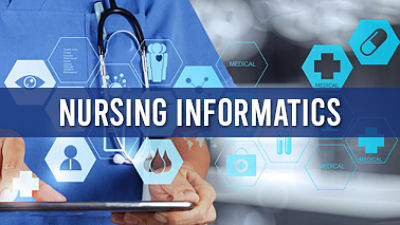
The use of technology in healthcare has changed how nurses provide care, document patient information, and communicate with other healthcare professionals. Nursing informatics integrates nursing knowledge with patient data and technology to help guide provider decisions leading to better patient outcomes and improved patient safety. Nurses use several types of digital tools to access accurate patient information to make informed clinical decisions such as: Electronic health records (EHRs), medication administration technology, clinical decision-support systems, etc. As healthcare continues evolving, nursing informatics will continue to play an important role in supporting nurses and improving the quality and efficiency of patient care (Miller, 2025).
What is Nursing Informatics?
Nursing informatics is a specialty that combines nursing, technology, and patient information to organize and manage data, helping providers make more informed clinical decisions. According to the American Nurses Association (ANA), nursing informatics merges these three disciplines to organize patient data and share healthcare insights leading to improved patient care and outcomes (American Nurses Association [ANA], 2023).
In simpler terms, nursing informatics combines knowledge with technology to help nurses make better decisions and provide safe, effective, and quality patient care.
For example, when a nurse documents a patient’s vital signs in an electronic health record, the information can be immediately accessed by other authorized healthcare professionals. This allows the healthcare team to monitor changes in the patient’s condition, communicate important findings, and make timely decisions about treatment.
How Nursing Science, Computer Science, and Information Science Work Together.
Nursing informatics is a specialty that brings three important areas of knowledge and practice together. Each discipline contributes to the goal of improving safety, quality, and healthcare outcomes (Miller, 2025, p. 7)
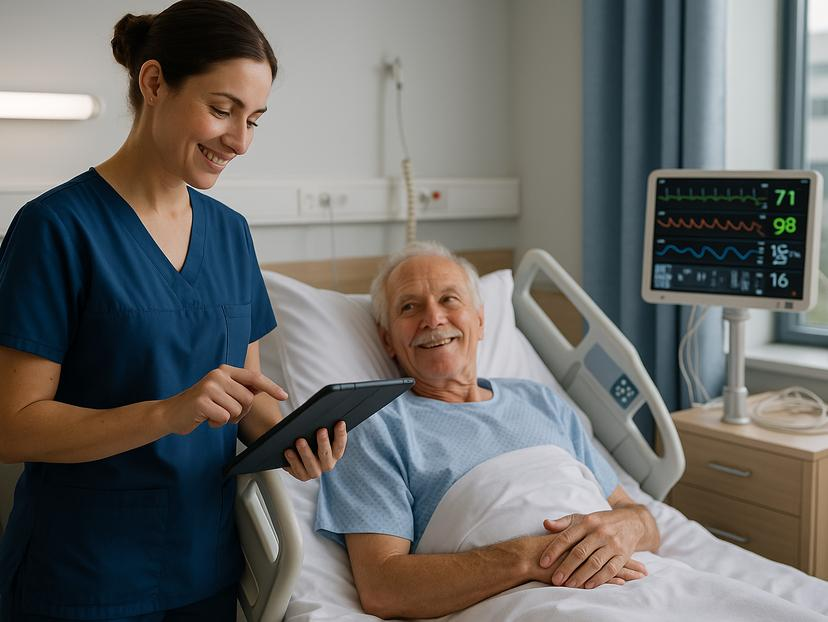
Nursing Science is the application of knowledge, experience, and use of evidence-based practice to assess, diagnose, implement care, and evaluate outcomes.
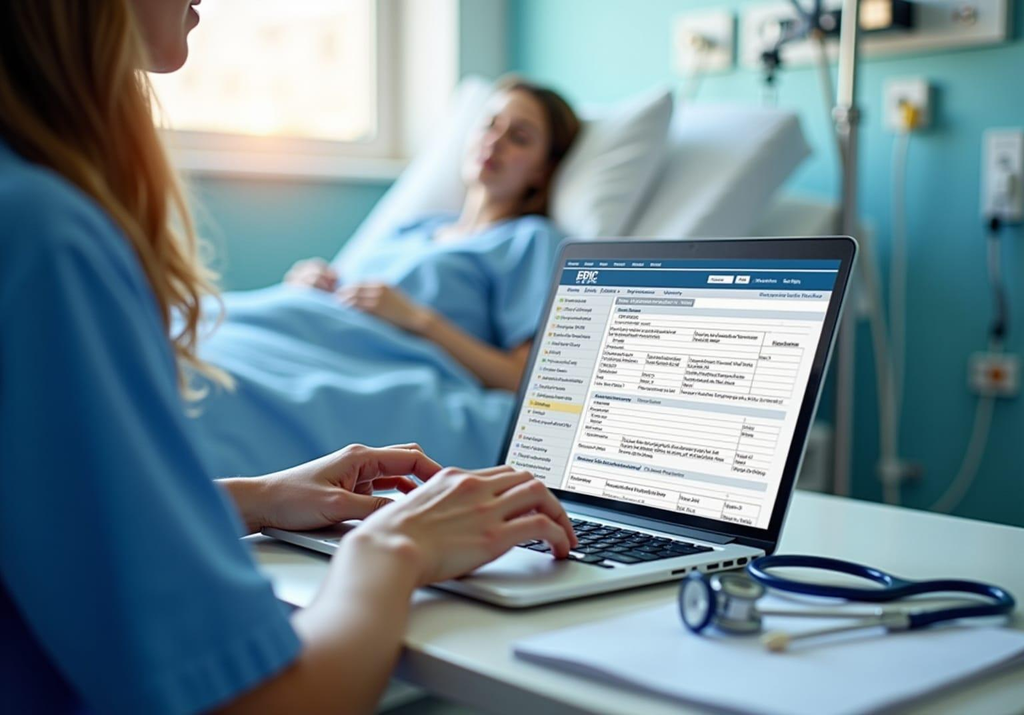
Computer Science involves computers and their operating systems that support the software and applications utilized in nursing (Miller, 2025). Such as electronic health records, medication administration records, and cardiac monitoring systems.
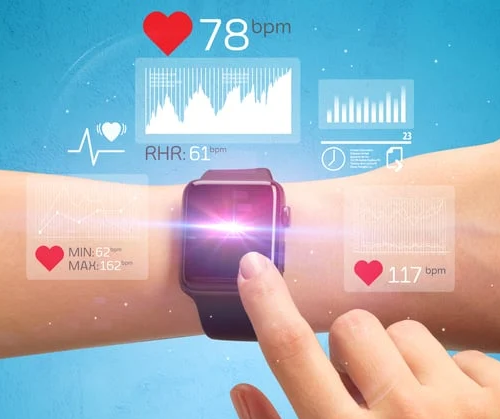
Information science focuses on how data is collected, analyzed, stored, and shared (Miller, 2025). In healthcare this discipline ensures that patient information and data is organized and accessible to support clinical decisions.
Why is Nursing Informatics Important in Healthcare?
Nursing Informatics is a fundamental part of today’s healthcare environment. The American Nurses Association (2023) explains that nursing informatics supports better patient outcomes, improved workflows, patient safety, and data-driven healthcare decisions. As healthcare technology continues to evolve, nursing informatics will remain important in helping nurses provide efficient, safe, and high-quality patient-centered care.
What is an Electronic Health Record?
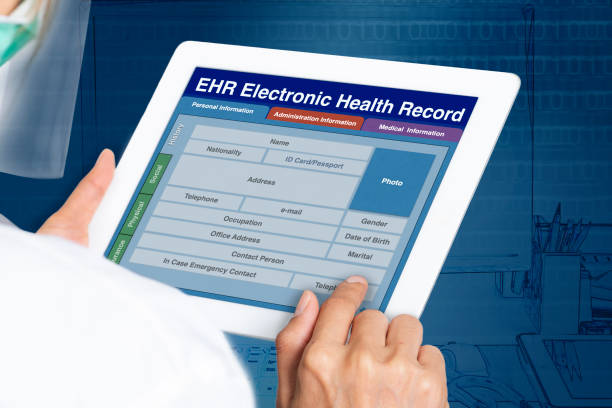
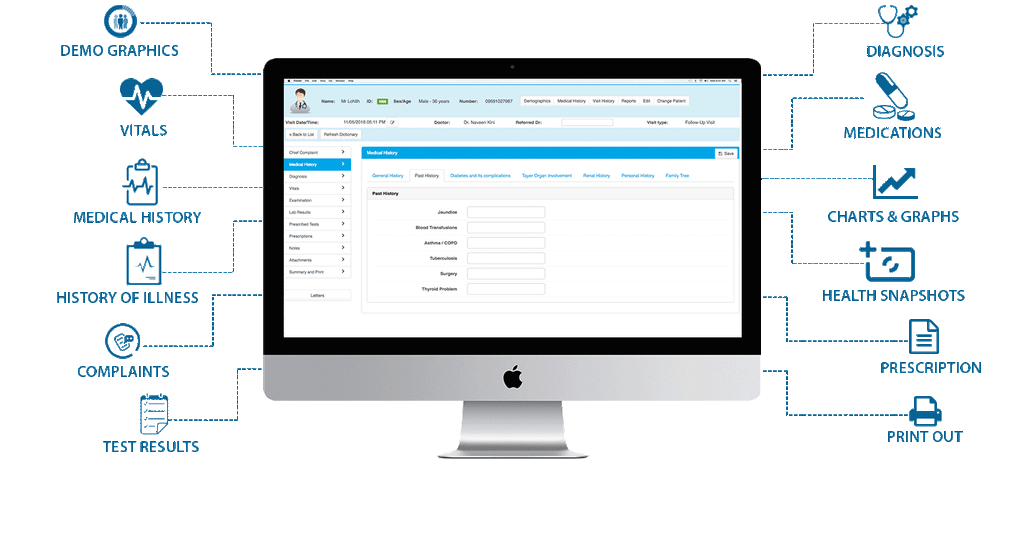
An electronic health record also known as EHR is a digital version of a patient’s medical chart. This allows healthcare workers to document patient information, review their patients medical history, medications, test results, lab results, and patient specific treatment plans. Electronic health records offer several important benefits in healthcare. They allow healthcare professionals to efficiently organize and manage patient information, assess the quality of care provided, and identify opportunities to improve patient outcomes (Dolezel & Moczygemba, 2015).
Nurses and EHRs in the clinical practice
Nurses use EHR’s during daily clinical practice to document patient care, access and go over their patient information , and most importantly, to communicate with other healthcare personnel
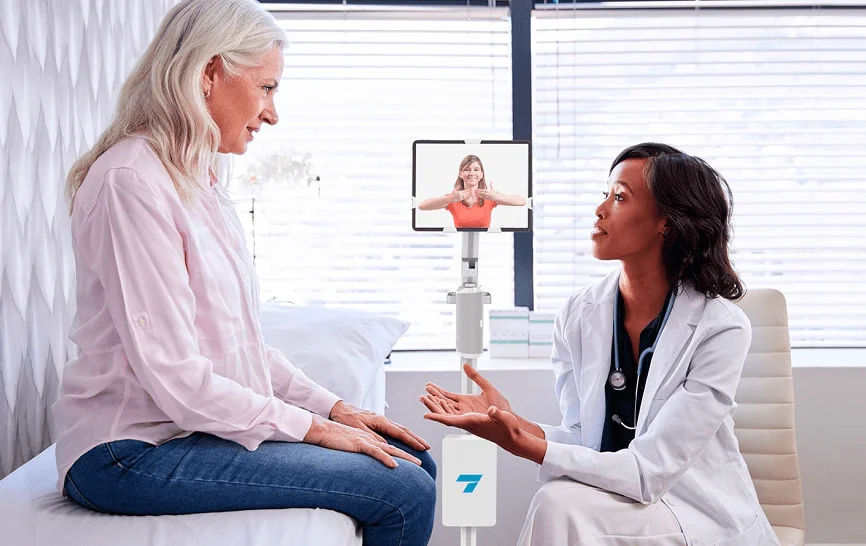
Recording patient assessments include documentation of vital signs, subjective and objective assessment detail, and any changes in patient conditions whether major or minor.
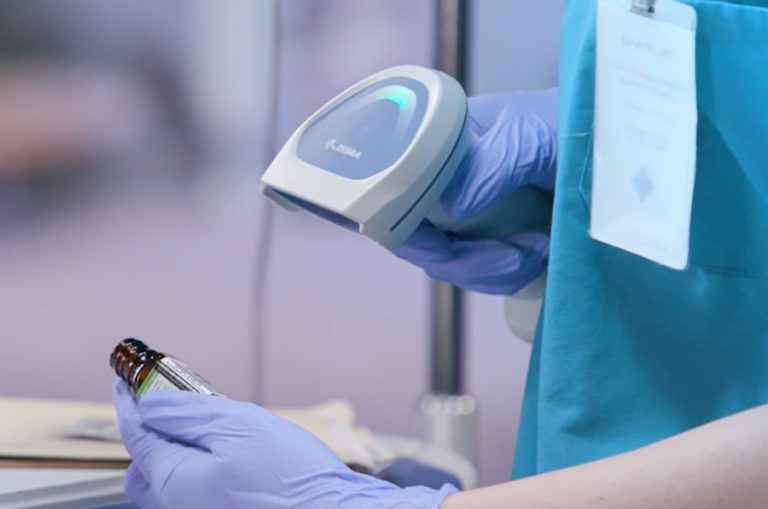
Reviewing medication orders and having medication administration documented. Scanning medications can decrease medication errors.
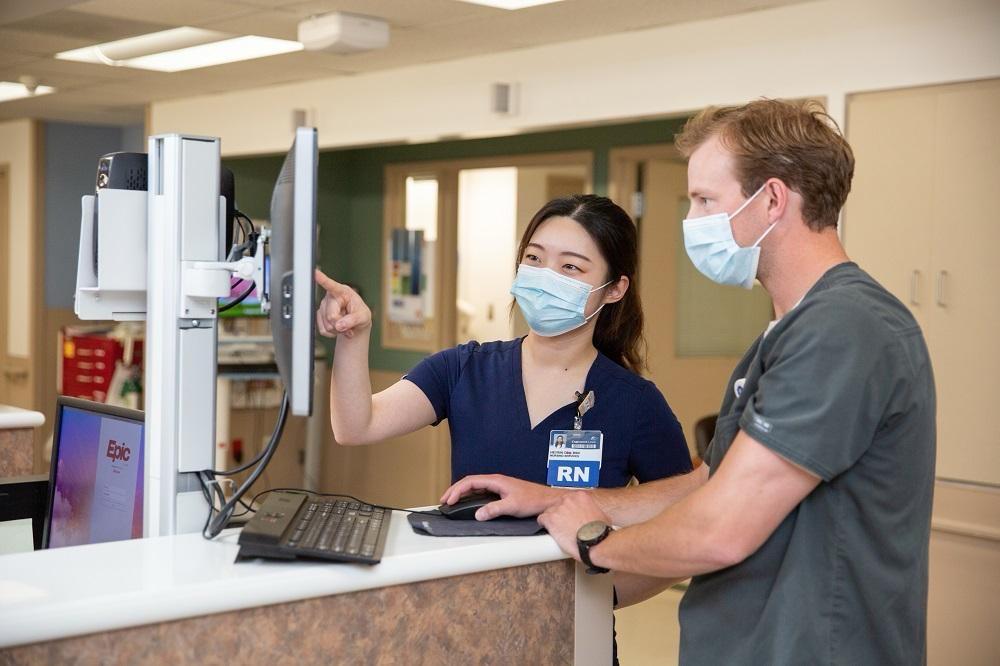
EHR’s make it easier to access and review patient information including medical histories, allergies, laboratory results, and any diagnostic testing.
Communication is essential when it comes to patient specific care planning. EHR’s allows the nurse to share patient information with physicians and other members of the patients care team.
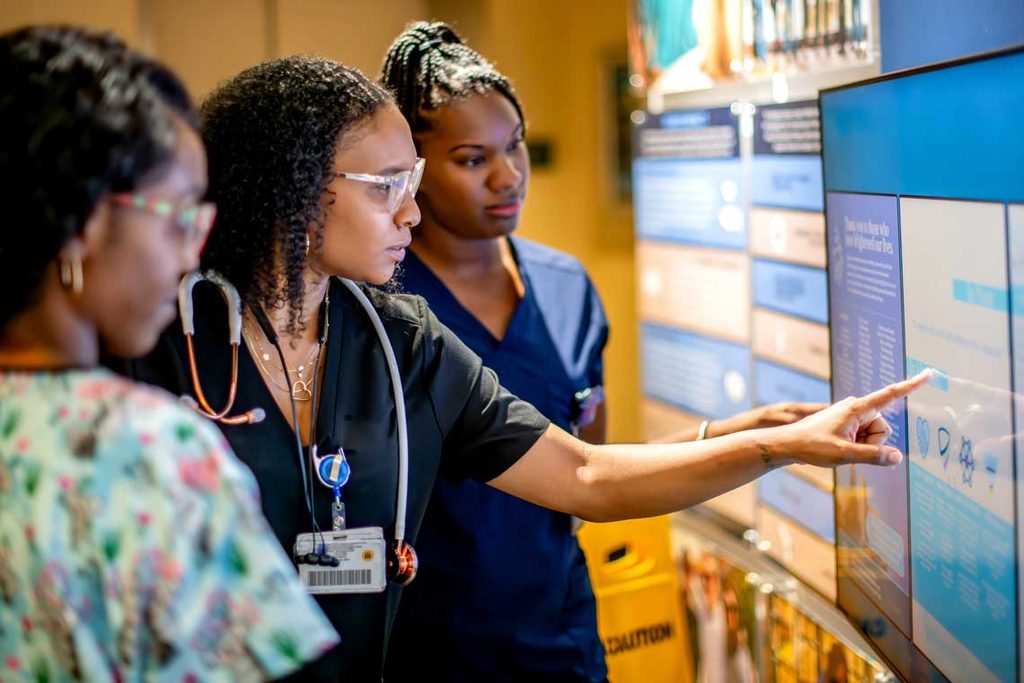
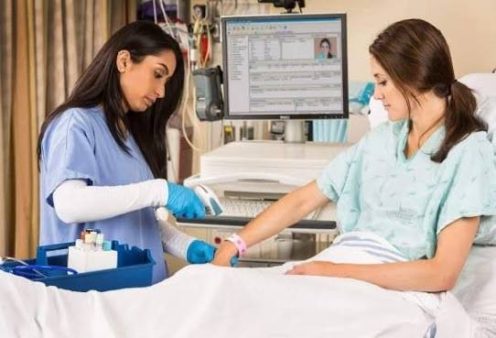
Probably the biggest benefit of nurses having access to EHR’s is patient safety. Different alerts and stopping marks when it comes to medication allergies, drug-drug interactions, and changes to patients conditions.
Benefit to nurses
Electronic documentation plays an important role in the nursing practice by improving patient safety, communication, and efficiency. Electronic health records allow nurses to access important patient information, review medical histories, and document patient care in a timely manner. These systems also help healthcare providers communicate more effectively and make informed decisions regarding patient care (Bouvé Communications, 2023).
On the clinical side
An example of using an electronic health record in the clinical everyday practice is when nurses are administering a patients medication. Before giving the medication, the nurse can check the patients allergies, medication orders, and medical history in the record. The nurse can scan the patients wristband and medication to make sure the five rights of medication administration is what it is supposed to be. Once the medication is given, the nurse then documents it in the EHR. By doing this, this helps prevent medication errors, improves patient safety, and allows other members of the treatment team see what medications the patient has recieved.
Clinical Technology and Medication Safety
Medication errors could happen when prescribing, dispensing and administering the drugs; hence, there is a need for multiple levels of protection rather than a single point of check. The BCMA technology involves matching the patient wristband and the medication with the electronic medication administration record (eMAR). Before the administration of the drug, the nurse scans both of these and the system checks if the order matches the five rights which include right patient, right drug, right dose, right route and right time (AHRQ, n.d.). In case of any mismatch, the nurse should stop, investigate and seek the opinion of the concerned health care provider rather than trusting his memory.
Clinical decision-support systems (CDSSs) add the second level of safety early in the process of using medications. When integrated with computerized physician order entry systems, a CDSS can present the correct options for dosage, route and frequency, and warn prescribers about allergies, potential drug-drug interactions, duplicate therapy, or dosing errors (AHRQ, 2019). For example, when an antibiotic of the same class of medication is prescribed for a patient whose medical record indicates that they are allergic to penicillin, the alert will prompt the prescriber to verify the medical record and prescribe another medication. Another example is that of the dose check triggered by renal lab tests.
The use of technology does not mean taking away clinical judgment from healthcare professionals. Barcode medication administration (BCMA) may not work due to unreadable barcodes, unavailable equipment or people choosing not to scan. The same goes for alert fatigue that may be caused by the CDSS due to an overabundance or misuse of alerts. The implementation of BCMA and CDSS requires proper equipment, workflow reconfiguration, training, monitoring and clearly defined overrides.
Telehealth and Engagement
Telehealth
Telehealth and remote patient monitoring are virtual ways a provider can treat patients without them coming into the facility physically. Telehealth can consist of virtual video calls, phone calls, or secure messaging such as epic chat.
Remote Patient Monitoring
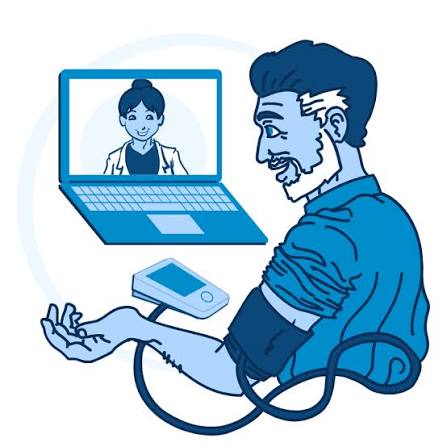
Telehealth providers often use remote patient monitoring devices like scales, blood pressure devices, glucometers, respiratory monitoring and even devices that can check on baby while you are pregnant. Using these devices give providers real time results without the need for the patient to be in the facility which can increase compliance and decrease patient cost, anxiety, and travel (Health Resources and Services Administration [HRSA], n.d.)
Patient Portals
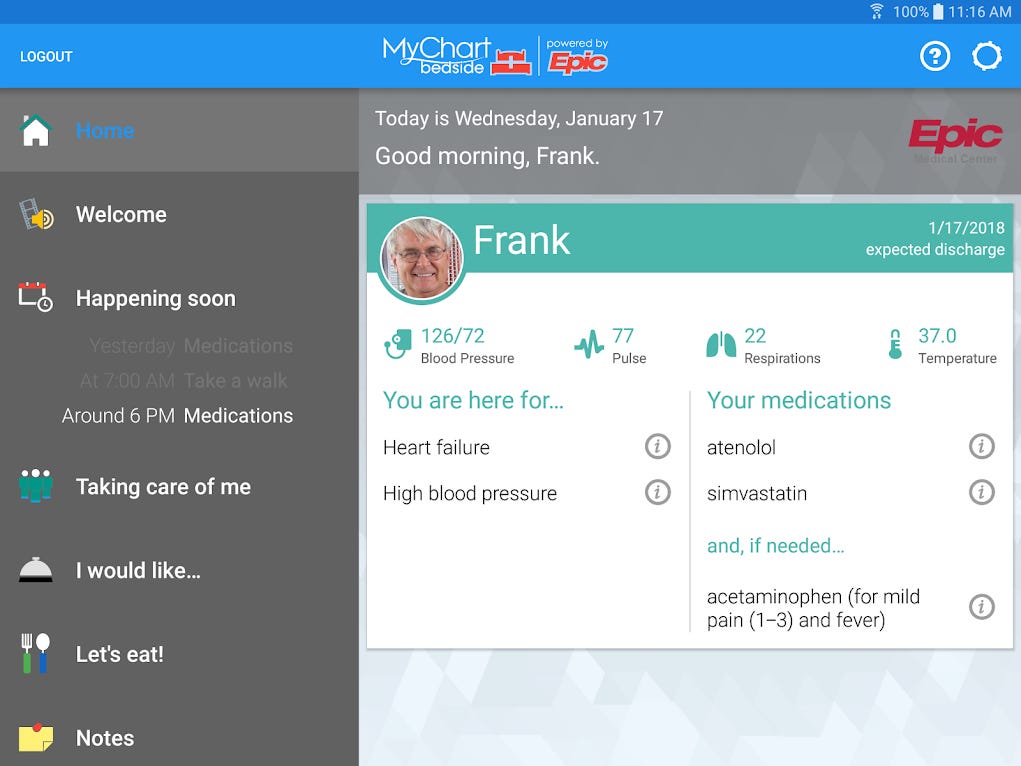
Patient portals are often used as a tool patients can use to access their medical records. Patients can view results, notes, and upcoming appointments by accessing their charts. Patient portals often allow patients to speak with their provider if needed and schedule appointments without calling the office specifically. By using patient portals patients can be more involved in their care (Office of the National Coordinator for Health Information Technology [ONC], n.d.).
Why do we use these?
By using this technology, patient education is improving for multiple reasons. One reason is patients are seeing their test results in real time, by allowing this access patients can read them and come up with questions they may have about their results before a provider even sees this, of course this can cause patient concern and anxiety as well which leads to more provider education to the patient. Patient portals also help with communication as the patient can contact the provider via chatting and messaging which often results in quicker provider response while also increasing patient satisfaction. Another example of how technology helps with education and communication is by using the remote patient monitoring’s the patient can send their data and their concerns to the provider right away using the portal and gives the provider an insight of what is going on with the patient in that very moment which could lead to education or scheduling an appointment to come in or even recommend an ER visit if needed. They can also use this technology to make medication changes if needed.
Nursing Informatics, Patient Safety, and HIPAA
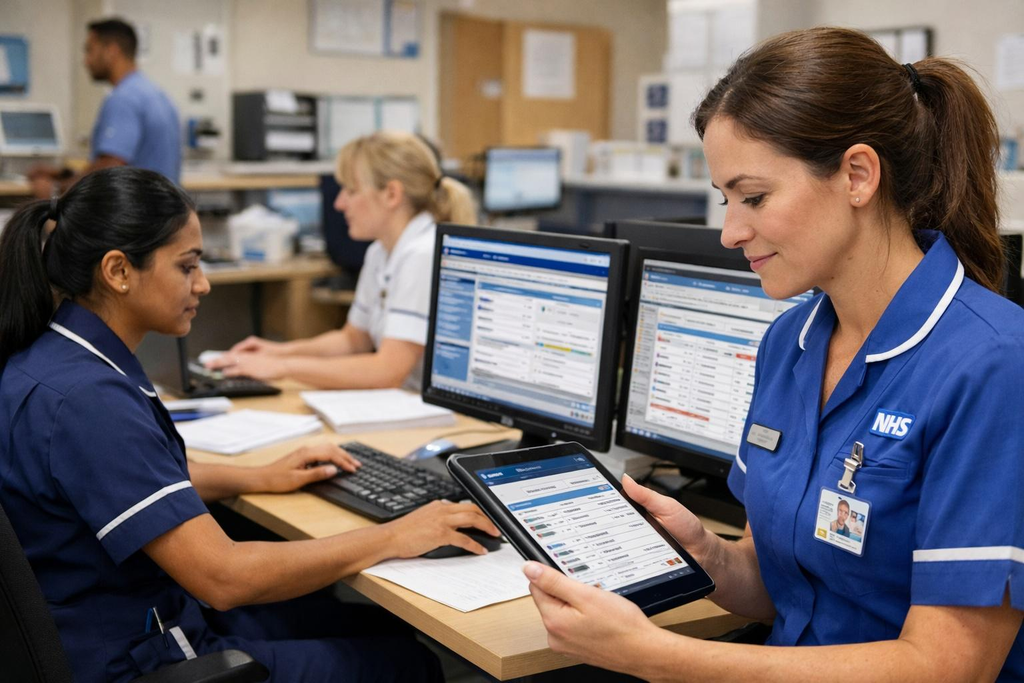
Nurses play an important role in nursing informatics by using technology to document patient care, communicate with healthcare providers, and support clinical decision-making. In long-term care, electronic health records such as PointClickCare, help nurses document assessments, medications, treatments, and changes in residents’ conditions. Nurses can also use communication technology to contact providers when a resident needs medical attention. These tools help nurses share accurate information, recognize potential problems, and provide safe, quality care (Miller, 2025).
Patient Safety and Quality of Care
Technology plays an important role in protecting residents’ safety and improving the quality of care in long-term care facilities. Electronic health records allow nurses to review a resident’s medical history, allergies, medications, and previous assessments. This information helps nurses identify changes in a resident’s condition and communicate concerns to the healthcare team. For example, when a nurse notices a change in a resident’s vital signs, documenting the findings and notifying the provider can help ensure that the resident receives timely treatment. Technology can reduce errors, but nurses must still use their clinical judgment to verify information and provide safe, quality care.
HIPAA, Privacy, and Confidentiality

Nurses must protect residents’ private health information when using electronic health records and other technology. The Health Insurance Portability and Accountability Act (HIPAA) provides rules for protecting residents’ and patients’ health information. Nurses should only access records needed to perform their job, keep passwords private, and share residents’ and patient information only with authorized individuals involved in their care. For example, nurses should not discuss a resident’s medical condition in public areas or leave an electronic chart open where others can see it. Protecting confidentiality helps maintain residents’ privacy and trust (U.S. Department of Health and Human Services, n.d.).
Challenges of Nursing Informatics
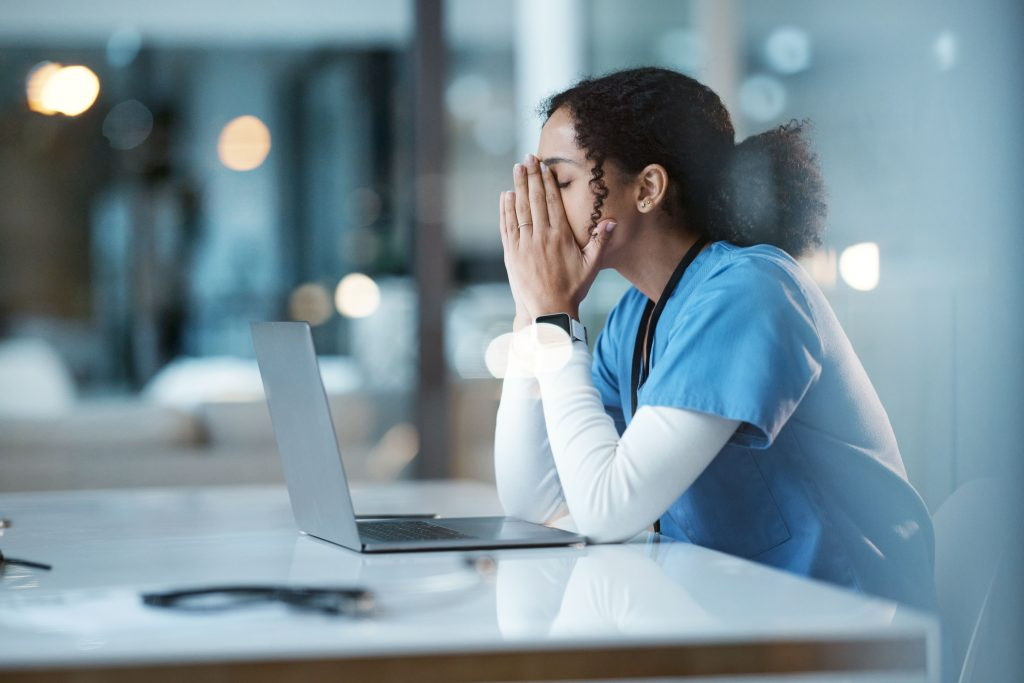
Although technology improves patient care, it can also create challenges for nurses. Alert fatigue occurs when nurses receive so many electronic warnings that they may become less responsive to important alerts. Documentation burden is another challenge because nurses must spend time entering information into electronic health records while also providing direct patient care. In long-term care, nurses must document assessments, medications, treatments, and changes in residents’ conditions. Nurses can help reduce these challenges by documenting accurately, reviewing alerts carefully, and using technology appropriately while keeping residents’/patient safety a priority (Miller, 2025).
Real World Scenario
A nurse working in an ICU and caring for two patients is getting ready to administer an IV antibiotic for one of the patients. The hospital uses a barcode medication administration (BCMA) system that integrates with the electronic medication administration record (eMAR). The nurse receives the antibiotic premixed from pharmacy with a patient label and barcode. Once inside the patients’ room, the patient’s wristband is scanned identifying the correct patient in the eMAR. Next, the medication is scanned and a warning pops up alerting the nurse that this is the wrong medication. The nurse acknowledges the alert, double checks the medication and notices that it is the same antibiotic prescribed for the patient next door but a different concentration. The nurse realizes that she grabbed the wrong premixed antibiotic. Returning to the medication room, the nurse clearly sees the other bag of antibiotic with her patients’ label and the correct concentration.
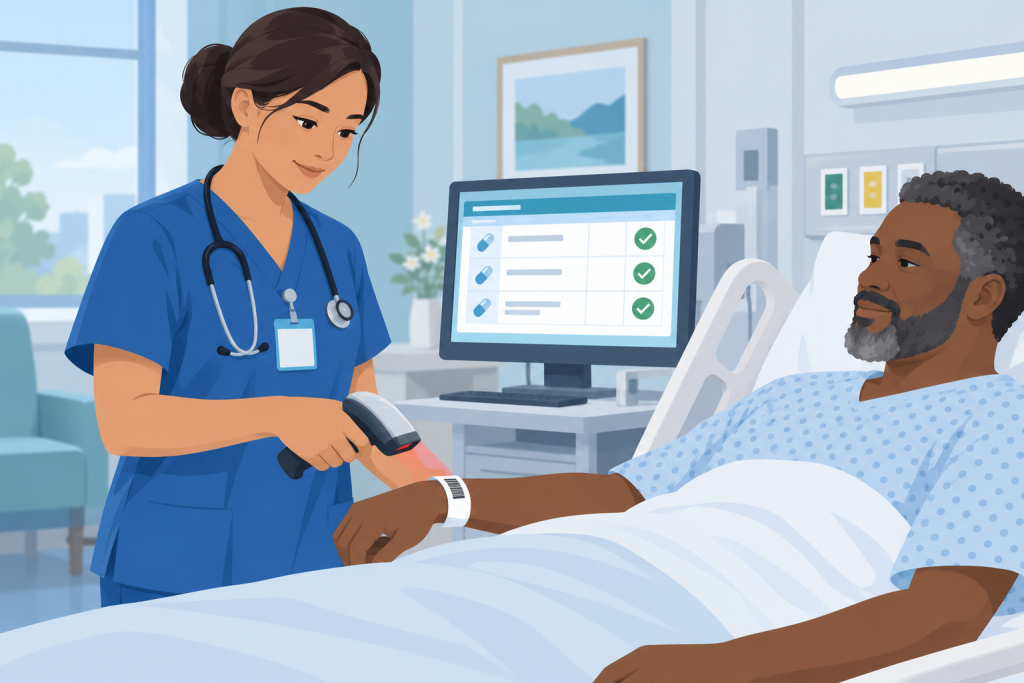
Technology supports clinical decision making and improve patient outcomes
The BCMA supports clinical decision making by providing real time information and safety alerts before administering medications. It integrates barcode scanning technology with electronic health records to verify and double check that the nurse has the correct patient, medication, dose, route, and time (Miller, 2025).
Nursing informatics improve patient outcomes by combining nursing information, clinical judgement and up to date technology to streamline more efficient and safer nursing care. Utilizing this technology in healthcare has proven to reduce medication errors, improve clinical decision making and improve communication (Shi et al., 2025).
Nursing At Large: We must stay connected
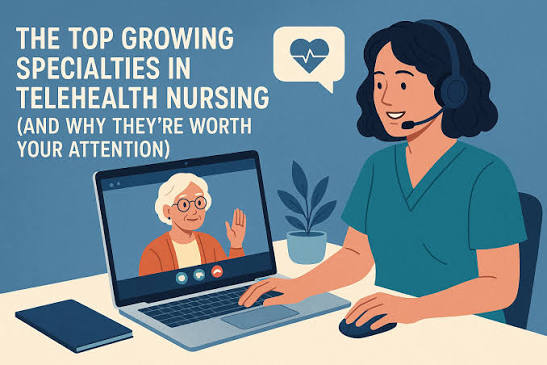
Telehealth has revolutionized remote consultation, with remote Psychiatric-Mental health Nurse Practitioner leading the virtual clinical practice. PMHNPs evaluate patients and manage psychotropic medications entirely through digital care systems. This set up expands access for isolated populations while offering a lot of flexibilities to Nurse Practitioners. However, the success and security of remote psychiatric care rely directly on nursing informatics. As detailed by Miller (2025), nursing informatics provides the essential digital foundation for modern telehealth applications: EHR standardization, health information exchange, and secure communication protocols.
References
Agency for Healthcare Research and Quality[AHRQ]. (n.d.). Bar-coded medication administration. Digital Healthcare Research. https://digital.ahrq.gov/bar-coded-medication-administration
Agency for Healthcare Research and Quality[AHRQ]. (2019). Clinical decision support systems. PSNet. https://psnet.ahrq.gov/primer/clinical-decision-support-systems
American Nurses Association. (2023, July 5). What is nursing informatics? https://www.nursingworld.org/content-hub/resources/nursing-resources/nursing-informatics/
Bouvé Communications. (2023, May 15). 7 key benefits of EHR systems. Northeastern University. https://bouve.northeastern.edu/news/7-key-benefits-of-ehr-systems/
Dolezel, D., & Moczygemba, J. (2015). Implementing EHRs: An exploratory study to examine current practices in migrating physician practice. Perspectives in Health Information Management , 1-6. https://www.proquest.com/docview/1690623980/citation/53254980A2D7468CPQ/1?accountid=29141&sourcetype=Scholarly%20Journals
Health Resources and Services Administration. (n.d.). Getting started with telehealth and remote patient monitoring. Telehealth.HHS.gov. https://telehealth.hhs.gov/providers/best-practice-guides/telehealth-and-remote-patient-monitoring/getting-started
Miller, K. (2025). Informatics and nursing: Opportunities and challenges (7th ed.). Wolters Kluwer.
Office of the National Coordinator for Health Information Technology. (n.d.). How to optimize patient portals for patient engagement and meet meaningful use requirements. HealthIT.gov. https://healthit.gov/resources/how-optimize-patient-portals-patient-engagement-and-meet-meaningful-use-requirements/
Shi, Q., Wotherspoon, R., & Morphet, J. (2025). Nursing informatics and patient safety outcomes in critical care settings: A systematic review. BMC Nursing, 24, Article 546. https://doi.org/10.1186/s12912-025-03195-6
U.S. Department of Health and Human Services. (n.d.). Summary of the HIPAA Privacy Rule. Https://www.hhs.gov/hipaa/for-professinals/privacy/laws-regulatios/index.html
Attachments
| File | Size | Added |
|---|---|---|
| GettyImages-495518770 | 39 KB | Nov 6, 2026 |
| 1680275976301 | 15 KB | Nov 6, 2026 |
| richardsdrawings-nurse-2915543_1920 | 344 KB | Nov 6, 2026 |
| epic example | 66 KB | Nov 2, 2026 |
| remote patient monitoring | 27 KB | Nov 2, 2026 |
Leave a Reply
You must be logged in to post a comment.