Nursing Informatics in Clinical Practice
Core Collaborative Wiki Project | Modules 1–3
Group 3 Contributors: Tatyana C • Lisa C • Sara C • Daniel C • Chelsey D • Ellen D • Destiny D

1. Defining Nursing Informatics (NI) & Regulatory Framework
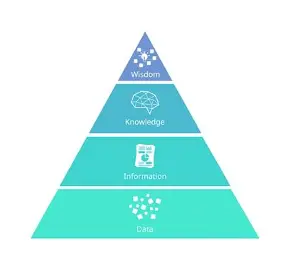
As defined by the American Nurses Association (ANA), nursing informatics (NI) is an established nursing subspecialty dedicated to integrating nursing science with multiple analytical and information sciences to manage and communicate data, information, knowledge, and wisdom in clinical practice(American Nurses Association, 2015; Hebda & Hunter, 2025).While healthcare informatics is the interdisciplinary umbrella covering medicine, dentistry, and pharmacy, nursing informatics is uniquely centered on information management and bedside clinical workflows (Hebda & Hunter, 2025). Its core objective is capturing structured data at the point of care to improve individual patient safety, support interprofessional teams, and analyze aggregated data for quality improvements (Hebda & Hunter, 2025).
Legislative Catalysts: The Patient Protection and Affordable Care Act (PPACA) and the HITECH Act of 2009 established federal financial incentives for adopting Certified EHR Technology (CEHRT) (Hebda & Hunter, 2025)[cite: 6]. This regulatory transformation increased demand by an estimated 70,000 nursing informatics positions nationwide (Hebda & Hunter, 2025).
Informatic nurses with hands-on experience have a significant advantage because they understand how technology can be integrated into the nursing field (Miller, 2025).
2. Theoretical Foundations: The DIKW Framework & Beyond
Nursing informatics relies on several multidisciplinary theories to design, implement, and evaluate clinical technologies (Hebda & Hunter, 2025):
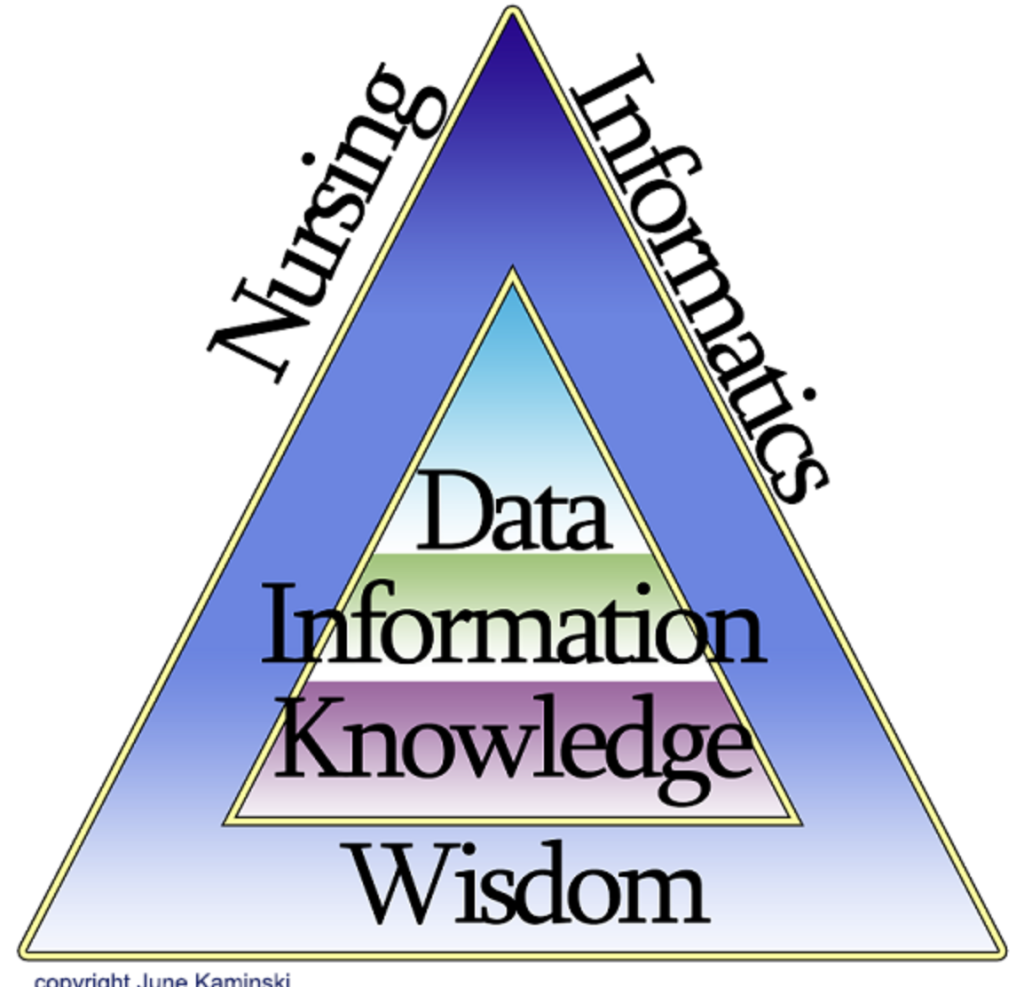
DIKW Hierarchy
• Data: Discrete, objective facts at the atomic level (e.g., Pulse = 72, Age = 45, Female)(Hebda & Hunter, 2025).
• Information: Structured and interpreted data giving clinical meaning (e.g., vital signs synthesized into a regular sinus baseline)(Hebda & Hunter, 2025).
• Knowledge: Synthesizing information through formal rules and identified relationships (e.g., recognizing 72 bpm is normal for an adult female of that age)(Hebda & Hunter, 2025).
• Wisdom: Applying knowledge, reflection, and values to holistic care (e.g., verifying stable status; no acute nursing intervention required)(Hebda & Hunter, 2025).
Change & Systems Theories
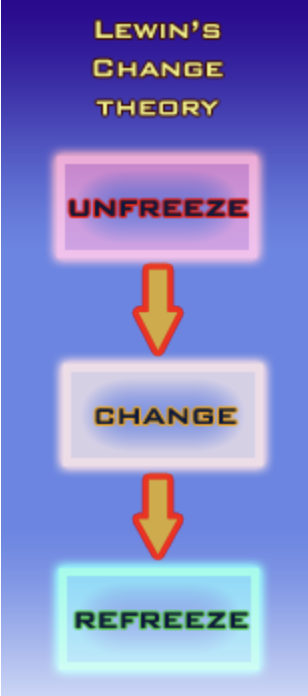
• Lewin’s Field Theory: Unfreezing (driving forces exceed restraining forces) → Moving (implementation) → Refreezing (restoring operational equilibrium)(Hebda & Hunter, 2025).
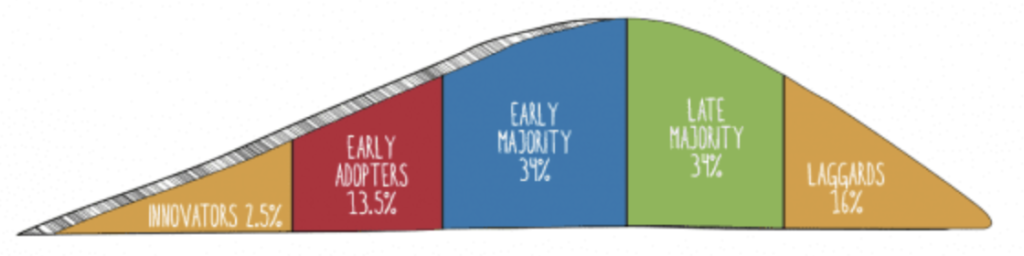
• Rogers’ Diffusion: 5 Adopter categories: Innovators, Early Adopters, Early Majority, Late Majority, Laggards(Hebda & Hunter, 2025).
• Sociotechnical Theory: Technology alone does not yield productivity; it must align with staff culture and workflows(Hebda & Hunter, 2025).
• General Systems Theory: Open loops of inputs, throughput processes, outputs, and feedback(Hebda & Hunter, 2025).
3. Technical Architecture, Networks, & Cybersecurity
Modern clinical information systems (CIS) depend on a resilient, secure technical foundation to ensure continuous, safe patient care(Hebda & Hunter, 2025):
Hardware & Protocols
Clinical stations and mobile carts utilize high-speed CPUs, RAM, and SSDs coordinated by modern operating systems(Hebda & Hunter, 2025). Network traffic uses a client/server architecture(Hebda & Hunter, 2025). Internet Protocol (IP) addresses locate system devices, while Transmission Control Protocol (TCP) manages transmission tasks and verifies data integrity(Hebda & Hunter, 2025).
Cyber Defense & Privacy
Nurses must protect PHI under HIPAA, GDPR, and CCPA(Hebda & Hunter, 2025). Clinicians must recognize threats such as phishing (malicious email hyperlinks harvesting credentials) and pharming (DNS server redirection scams)(Hebda & Hunter, 2025). Network authentication, frequent password changes, and automated antivirus patching protect against ransomware attacks(Hebda & Hunter, 2025).
Business Continuity
Health systems mandate downtime procedures for both planned events (software updates) and unplanned interruptions (power failure, network severed, cyberattacks) to guarantee safe medication administration and continuous patient monitoring(Hebda & Hunter, 2025).
4. Data Analytics, “Big Data,” & Evidence-Based Practice
Modern nursing informatics bridges raw clinical data with peer-reviewed research to drive evidence-based practice (EBP)(Hebda & Hunter, 2025)
- Structured vs. Unstructured Data: Quantitative data (discrete integers, measurable labs, structured dropdowns) contrasts with unstructured qualitative data (narrative shift notes, clinical voice recordings), which represents up to 90% of healthcare documentation and requires Natural Language Processing (NLP) or manual coding for extraction(Hebda & Hunter, 2025).
- Big Data Characteristics: Characterized by the classic “V’s”—Volume (millions of data points), Velocity (high-speed telemetry feeds), Variety (waveforms, images, discrete labs), Veracity (data reliability/truthfulness), and Value(Hebda & Hunter, 2025).
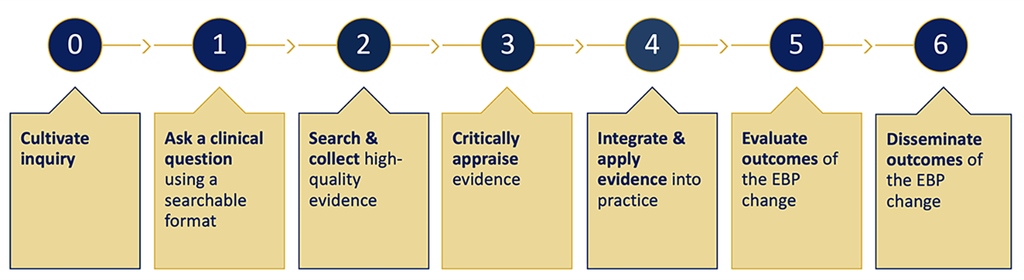
- The Seven-Step ARCC Model: Guides systematic translation: Cultivate spirit of inquiry (Step 0) → Formulate PICOT question (Step 1) → Search literature (Step 2) → Critical appraisal (Step 3) → Implement practice change (Step 4) → Evaluate outcomes (Step 5) → Disseminate results (Step 6)(Hebda & Hunter, 2025).
- Database Searching: Utilizing Medical Subject Headings (MeSH) controlled vocabulary, combined with Boolean logic (AND to narrow, OR to broaden, NOT to exclude), truncation, and wildcards across CINAHL and PubMed(Hebda & Hunter, 2025).
5. Systems Implementation, Quality Improvement, & Safety
The Systems Life Cycle governs HIT development in four phases analogous to the nursing process: Assessment, Design, Implementation, and Evaluation[cite: 6]. Up to 41% of an Informatics Nurse Specialist’s role centers directly on implementation(Hebda & Hunter, 2025).
| Conversion Strategy | Operational Description | Risk & Resource Impact |
|---|---|---|
| Parallel | New and old systems operate simultaneously for a set period(Hebda & Hunter, 2025). | Low system risk; high workload/documentation duplication for clinicians(Hebda & Hunter, 2025). |
| Pilot | System tested on a single unit or clinic before full rollout(Hebda & Hunter, 2025). | Lowest operational risk; identifies bugs and workflow bottlenecks early(Hebda & Hunter, 2025). |
| Phased | Rollout occurs incrementally by module, department, or facility(Hebda & Hunter, 2025). | Moderate risk; allows training lessons to inform subsequent phases(Hebda & Hunter, 2025). |
| Big Bang | Enterprise transitions entirely to the new system simultaneously(Hebda & Hunter, 2025). | Highest operational risk; requires comprehensive 24/7 super user support(Hebda & Hunter, 2025). |
Quality Improvement & Benchmarking Frameworks:
- Iterative PDSA Cycles: Plan-Do-Study-Act loops evaluate workflow refinements, mitigating alert fatigue caused by Computerized Provider Order Entry (CPOE) and Clinical Decision Support (CDS) alerts(Hebda & Hunter, 2025).
- NDNQI & TJC Benchmarking: The National Database of Nursing Quality Indicators monitors nursing-sensitive outcomes (CAUTIs, HAPIs, inpatient falls, nurse turnover, and hours per patient day) to satisfy Joint Commission National Patient Safety Goals(Hebda & Hunter, 2025).
- AMIA 25×5 Initiative: National effort led by the American Medical Informatics Association to reduce documentation burden by 25% within 5 years through optimized user interface design(Hebda & Hunter, 2025).
6. Professional Organizations & Resources
Explore professional organizations advancing certification, policy, and research in nursing informatics(Hebda & Hunter, 2025):
- ANCC Informatics Nursing Certification (RN-BC): Validates graduate-level preparation, clinical systems proficiency, and specialized knowledge in health informatics (American Nurses Association, 2015; Hebda & Hunter, 2025)[cite: 1, 6].
- American Nursing Informatics Association (ANIA): Specialized nursing organization offering continuing education, networking, and regional conferences (Hebda & Hunter, 2025)[cite: 1, 2].
- Alliance for Nursing Informatics (ANI): Unifies more than 25 distinct nursing informatics organizations to advocate for healthcare policy and workforce initiatives (Hebda & Hunter, 2025)[cite: 1, 2].
- Healthcare Information and Management Systems Society (HIMSS): Global authority offering digital maturity roadmaps (EMRAM), workforce research, and IT career frameworks (Hebda & Hunter, 2025)[cite: 1, 6].
- AMIA Nursing Informatics Working Group (NIWG): Drives health data science research, policy development, and the AMIA 25×5 documentation reduction campaign (Hebda & Hunter, 2025)[cite: 1, 6].

7. Responsibilities of the Informatics Nurse
The informatics nurse acts as a bridge between the clinical nurse and the information technology. (Hebda & Hunter, 2025)
- Evaluating current clinical workflows and identifying areas for improvement
- Helping select, design, and implement healthcare information systems
- Testing new technology before implementation
- Educating nurses and other healthcare professionals on new systems
- Troubleshooting technology-related problems
- Evaluating whether new systems improve patient outcomes
- Analyzing clinical data to identify trends and opportunities for quality improvement
- Advocating for nurses when technology is designed or changed
- Promoting patient privacy and information security
- Helping ensure technology supports nursing practice rather than creating unnecessary barriers to patient care
8. Careers in Nursing Informatics
A clinical analyst collects and analyzes data and adjusts processes to improve patient outcomes. (Miller, 2025).
Typically, in experienced roles, managers oversee HIT design. (Miller, 2025).
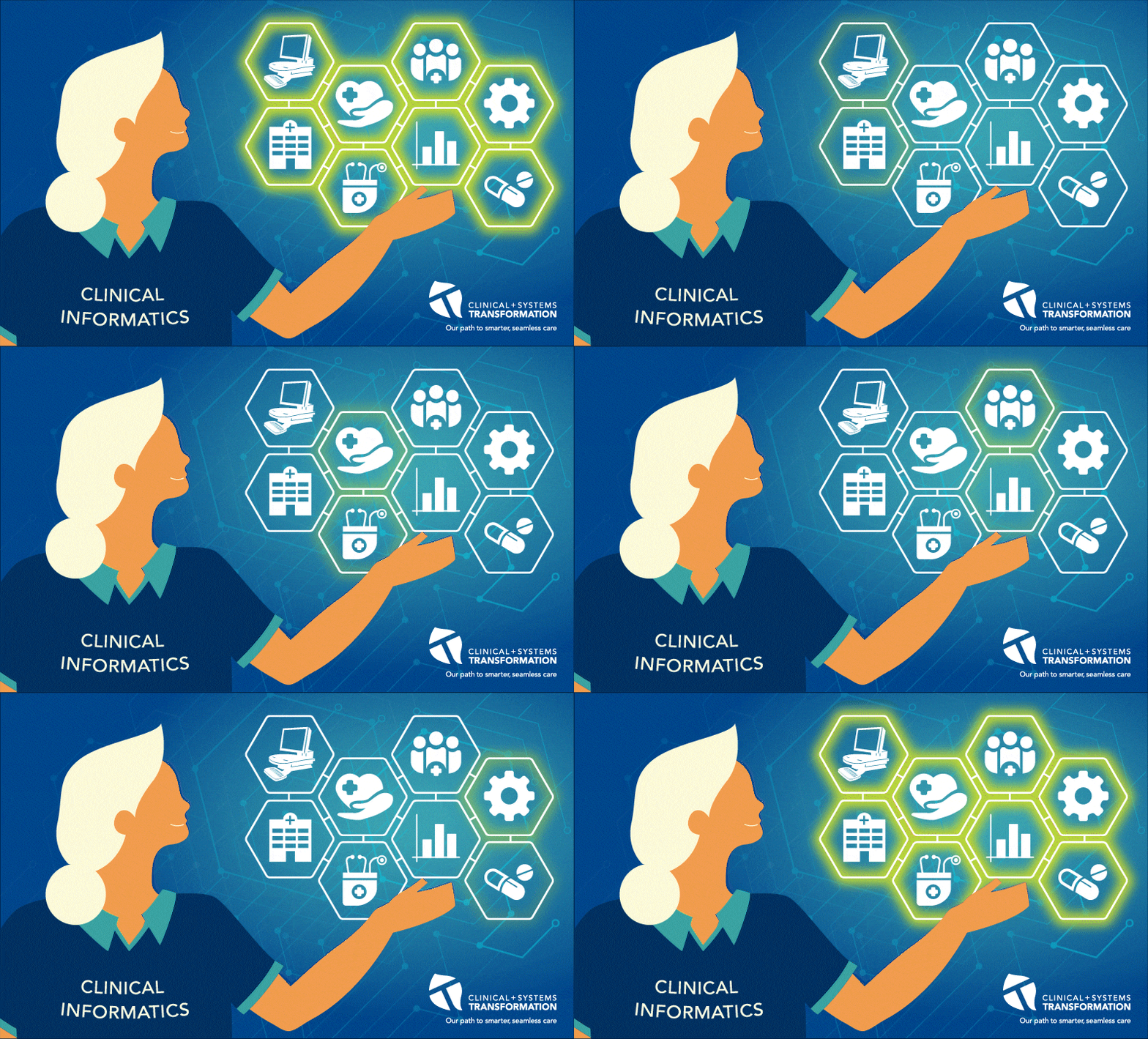
An executive position, typically involved with launching new software, developing the software, and developing long-term plans for the HIT. Assisting and overseeing all informatics roles. (Miller, 2025).
A nurse who enters informatics due to interest in the field. (Miller, 2025).
An RN with a graduate-level degree in informatics, working on reviewing, developing, meeting, and rounding on new technologies being implemented; assisting with education on these new technologies; and receiving feedback on what is and isn’t working. (Miller, 2025).
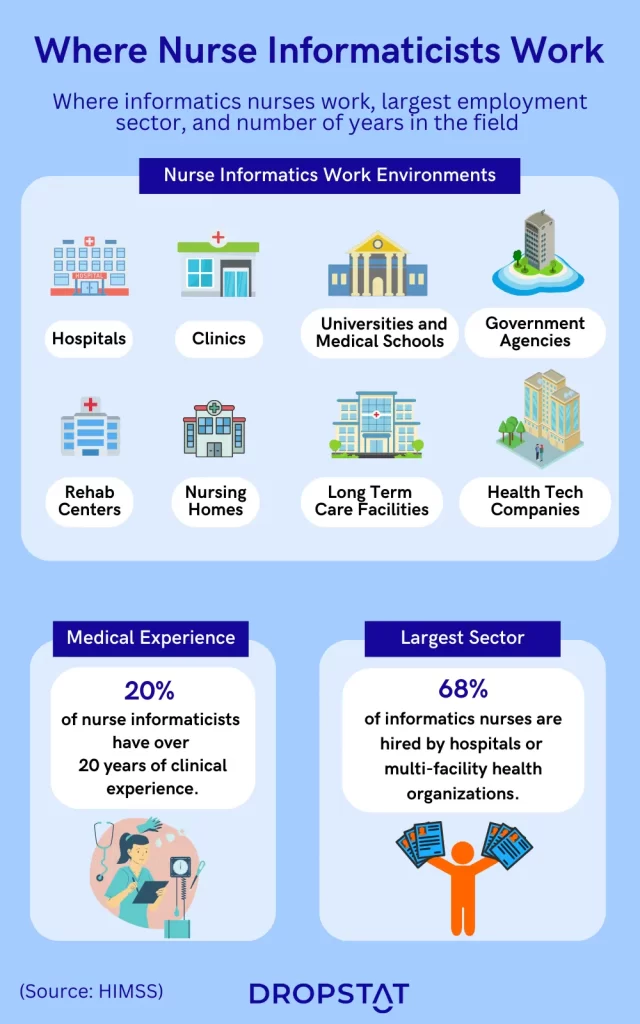
9. Integrating AI in Workflow:
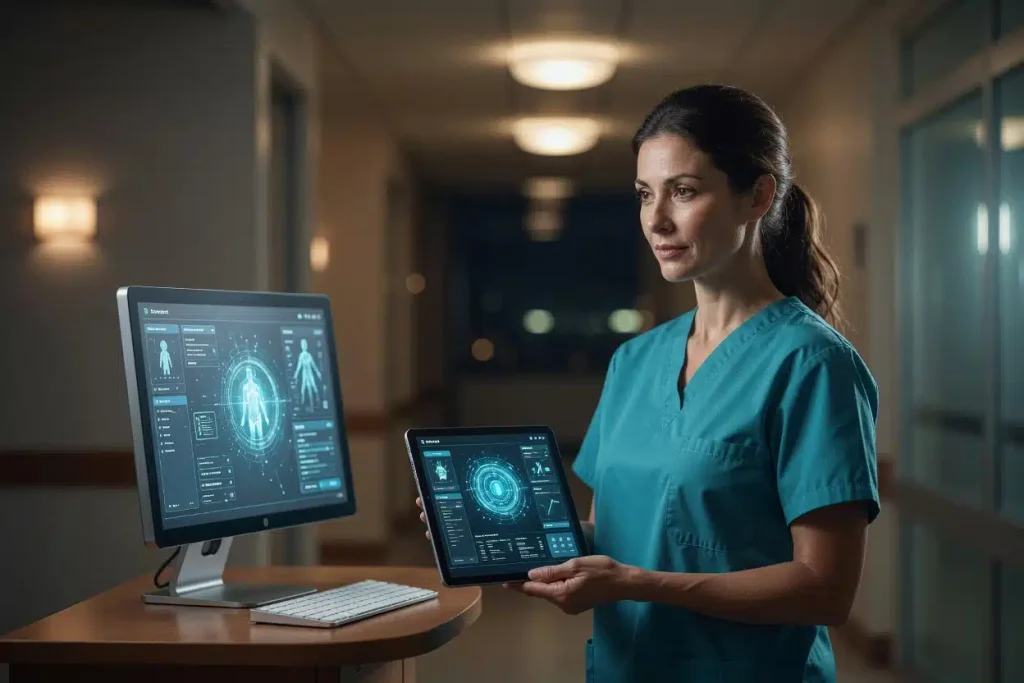
Artificial intelligence (AI) is very important in nursing. AI should be used as a tool that helps supports but not replace nursing judgement. AI is used in everyday living, and it helps with clinical decision making, documentation and workflow processes. (ANA 2025).
Examples of AI in nursing
- AI assisted documentation and charting
- Clinical decision systems
- AI assisted staffing and scheduling
- Automated patient monitoring and alerts
- EPICs AI tools and how they can reduce documentation errors
- EPIC Assignment Wizard for AI assisted workload scoring (Kemp, 2026).
Benefits of AI
- Reduce administration workload
- Improve efficiency
- Supposed clinical decision making
- helps identify patient safety risks
- balance nursing workloads
Challenges of AI
- privacy concerns
- incorrect documentation or recommendations
- need for human oversight
- Staff training and education
10. Benefits of Nursing Informatics
- improve patient safety
- improve communication between healthcare workers
- support evidence based practice
- improve quality of patient care
- support clinical decision-making
- shortened hospital stays
- fewer errors in patient care
- facilitates care coordination
11. How nursing informatics is used in clinical practice
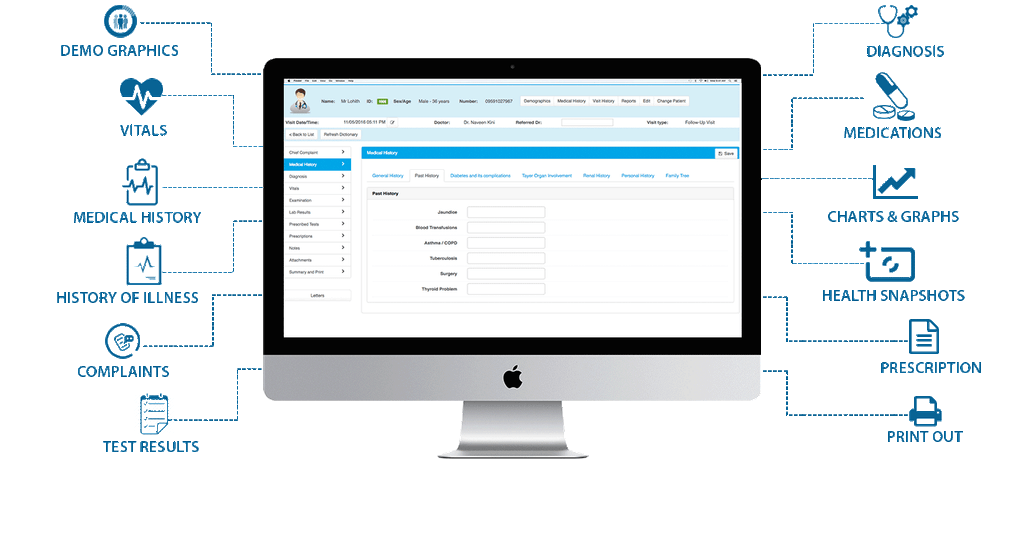
The ANA supports the use of electronic health record (EHR). This is one of the most common examples of nursing informatics. Nurses use EHR to document vital signs, assessments, medications administration and allow the healthcare workers to communicate about their patients. (ANA, 2009).
Nursing informatics is also used through clinical decision-support systems. These systems can provide nurses with alerts, reminders, evidence-based recommendations, and other information to support clinical decision-making. For example, an electronic system may alert a nurse to a medication allergy, potential drug interaction, abnormal laboratory value, or other safety concern. Clinical decision-support tools are designed to provide useful information while fitting into the healthcare professional’s workflow (Mills, 2019).
Another common example is barcode medication administration (BCMA). Nurses scan the patient’s identification band and the medication barcode before administering medications. The technology verifies that the correct patient receives the correct medication and provides electronic documentation of medication administration. BCMA demonstrates how informatics can be integrated directly into the medication-administration process to support patient safety (Sloss & Jones, 2021).
Virtual nursing is an example of how informatics came into play during and following the Covid 19 pandemic. Virtual nurses were used to provide feedback, educate patients on important medical information and gather patient’s medical history, etc. All these components reduced the workload placed on in-person bedside nurses (Hess & Alper,2024).
12. Challenges of Nursing Informatics
Although nursing informatics provides many benefits, it also presents challenges for nurses and healthcare organizations. One challenge is the usability of electronic health records (EHRs). Nurses may have to navigate multiple screens, enter large amounts of information, or document the same information in more than one location. Poor EHR usability can increase workload and contribute to workarounds that may affect patient safety (Park et al., 2024).
Another challenge is the documentation burden. Nurses may spend a significant amount of time entering information into the EHR, and unnecessary or repetitive documentation can detract from direct patient care. A recent study found that nurses identified redundant data entry, difficult navigation, and cumbersome documentation as contributors to EHR-related workload (Cho et al., 2024).
Privacy and cybersecurity are additional concerns. Nurses must protect patient information by following organizational policies, maintaining confidentiality, and using electronic systems appropriately. Finally, interoperability can be a challenge when different healthcare systems cannot easily exchange patient information. These challenges demonstrate why nurses need informatics knowledge and must understand not only how to use technology, but also how technology affects patient care and safety.
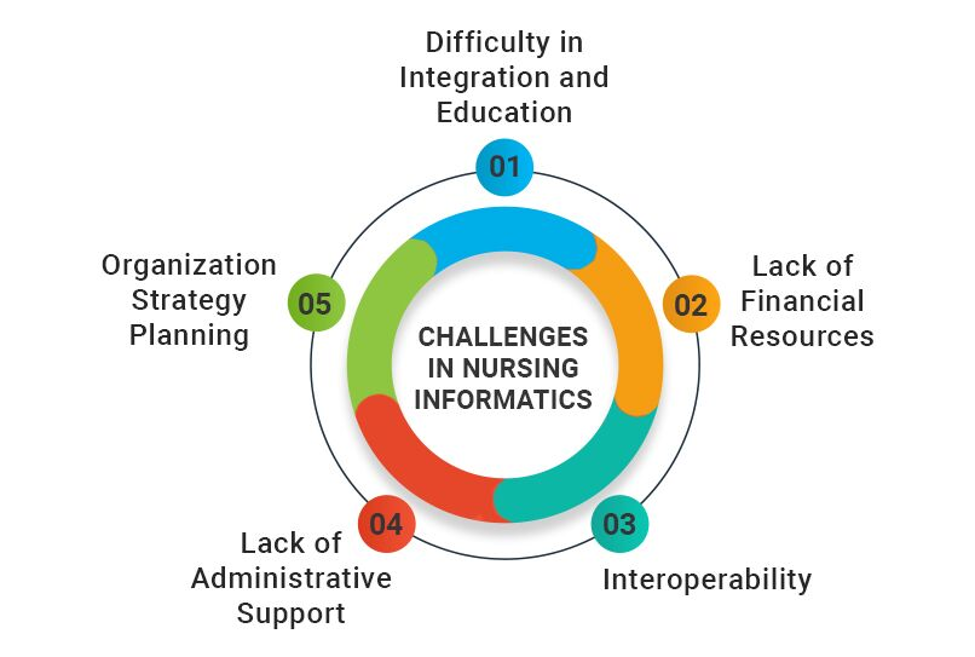
Finally, nurses need appropriate informatics education and training. As technology continues to evolve, nurses must develop the knowledge and skills to use electronic systems effectively. Nursing informatics competency is increasingly important because nurses are expected to use technology while understanding its impact on patient care, communication, and clinical decision-making (Almarwani, 2024).
13. Nursing Informatics and Patient Safety
Nursing informatics play a huge role in patient safety. This helps the nurses by giving correct information regarding the patient’s history, medications administrations, and alerts to medications errors. It also helps improve communications with healthcare professionals. (AHRQ, 2026).
- Medication error prevention
- fall risk scores
- Allergy alerts
- early medication administrations
- improved communication
- tracking safety outcomes
- accurate documentation
- promotes Infection prevention

References
Almarwani, A. M. (2024). Evaluation of the nursing informatics competency among nursing students: A systematic review. Nurse Education in Practice, 78, 104007
American Nurses Association. (2025). ANA position state: The ethical use of artificial intelligence in nursing practice. OJIN: The Online Journal of Issues in Nursing.
American Nurses Association. (2015). Nursing informatics: Scope and standards of practice (2nd ed.). Nursesbooks.org.
American Nurses Association. (2021). Code of ethics for nurses with interpretive statements. Nursesbooks.org.
American Nurses Association. (2009). Electronic health record. ANA electronic health record position statement.
Cho, H., Nguyen, O. T., Weaver, M., Pruitt, J., Marcelle, C., Salloum, R. G., & Keenan, G. (2024). Electronic health record system use and documentation burden of acute and critical care nurse clinicians: A mixed-methods study. Journal of the American Medical Informatics Association, 31(11), 2540–2549
Hebda, T., & Hunter, K. (2025). Handbook of informatics for nurses & healthcare professionals (7th ed.). Wolters Kluwer.
Hess, S., & Alper, C. (2024). Nursing informatics: The vital nursing link between technology and patient care. HCA Healthcare Journal of Medicine, 5(5), 513–516. https://doi.org/10.36518/2689-0216.2003
Kemp, E. (2026). From Gut Feeling to Objective Data: Balancing Nurse Workloads With Precision Staffing. EpicShare. https://www.epicshare.org/share-and-learn/maryland-nurse-precision-staffing
Melnyk, B. M., & Fineout-Overholt, E. (2023). Evidence-based practice in nursing & healthcare: A guide to best practice (5th ed.). Wolters Kluwer.
Miller, K. (2025). Informatics and Nursing: Opportunities and Challenges (7th ed.). Wolters Kluwer
Mills, S. (2019). Electronic health records and use of clinical decision support. Critical Care Nursing Clinics of North America, 31(2), 125–131.
Office of the National Coordinator for Health Information Technology. (2020). 2020-2025 Federal health information technology strategic plan. U.S. Department of Health and Human Services.
Park, S., Marquard, J., Austin, R. R., Pieczkiewicz, D., Jantraporn, R., & Delaney, C. W. (2024). A systematic review of nurses’ perceptions of electronic health record usability based on the human factor goals of satisfaction, performance, and safety. CIN: Computers, Informatics
Rogers, E. M. (1995). Diffusion of innovations (4th ed.). Free Press.
Sloss, E. A., & Jones, T. L. (2021). Nurse cognition, decision support, and barcode medication administration: A conceptual framework for research, practice, and education. Computers, Informatics, Nursing, 39(12), 851–857.
Attachments
| File | Size | Added |
|---|---|---|
| Dropstat-Nurse-Informatics-Stat-1-640×1024 | 59 KB | Sep 13, 2026 |
| organization | 48 KB | Sep 10, 2026 |
| Patient-Safety-Graphic-Blog- | 119 KB | Sep 10, 2026 |
| EHR | 120 KB | Sep 10, 2026 |
| informatic | 2 MB | Sep 10, 2026 |
| 7 steps | 236 KB | Sep 10, 2026 |
| EBP | 1 MB | Sep 10, 2026 |
| ai-tools-for-nurses | 46 KB | Sep 10, 2026 |
| ai-tools-for-nurses | 46 KB | Sep 10, 2026 |
| Screenshot 2026-09-09 at 8.20.16 PM | 163 KB | Sep 10, 2026 |
| Lewins | 91 KB | Sep 10, 2026 |
| DIKW | 537 KB | Sep 10, 2026 |
| DIKW | 537 KB | Sep 10, 2026 |
| Ehr,Electronic,Health,Record,Emr,Medical,Automation,System,Medicine,Internet | 214 KB | Sep 10, 2026 |


Leave a Reply
You must be logged in to post a comment.