Connecting People, Information and Better Care
What is Nursing Informatics?
Nursing informatics plays an important role in everyday nursing practice. It combines nursing knowledge with technology and patient information to help nurses provide safer and more effective care. The American Nurses Association explains that nursing informatics helps connect the clinical side of nursing with technology and allows nurses to use patient information more efficiently (American Nurses Association [ANA], 2023).
Example of Nursing Informatics in Practice
- Barcode Medication Adminstration [BCMA]
- Electronic Health Records
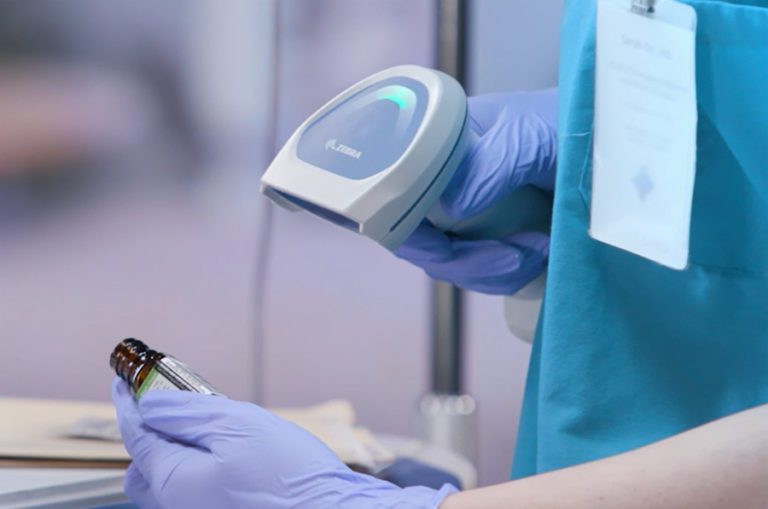
Barcode Medication Adminstration
Nurses scan the patient’s identification band and medications before administration. This technology provides an additional safety check and can help identify possible medication errors. Even with technology in place, nurses still have to use their nursing knowledge, assess their patients, and follow safe medication administration practices. This help nurses continue remember to use the six rights of medication adminstration to prevent mistakes.
Electronic Health Records
The American Nurses Association talks about a benefit of nursing informatics is streamlined workflow. EPIC a database helps streamline the EHR or Electronic health records(American Nurses Association 2023). An example of this would be entering vital signs into the EHR. The providers, nursing staff, and anyone who has access to the patients chart can see this. Another example would be entering a photo of a wound. If wound care is following but only comes to check certain days a week, the nurse could put a picture in the chart and the wound care team could access that and see its progress.
How Nursing Informatics Improves Patient Safety
Nursing informatics can improve patient safety by helping nurses access accurate patient information and identify potential problems more quickly. Electronic health records (EHRs) allow nurses to review important information such as medications, allergies, laboratory results, vital signs, and previous documentation. Having this information available in one place can improve communication between members of the healthcare team and support safer patient care (American Nurses Association [ANA], 2023).
Clinical decision support is another example of how informatics can improve safety. These systems can provide alerts, reminders, patient-specific information, and clinical guidelines to healthcare professionals at the point of care. For example, an electronic system may alert a nurse or provider about a medication allergy or potential drug interaction. Clinical decision support is designed to support clinical judgment rather than replace it (Office of the National Coordinator for Health Information Technology [ONC], 2026).
Nurses still need to use their own assessment skills and clinical judgment when using technology. Informatics provides nurses with information and tools that can help them recognize changes in a patient’s condition, communicate concerns, and make informed decisions. Overall, nursing informatics can help improve patient safety, quality of care, and nursing workflow (ANA, 2023).
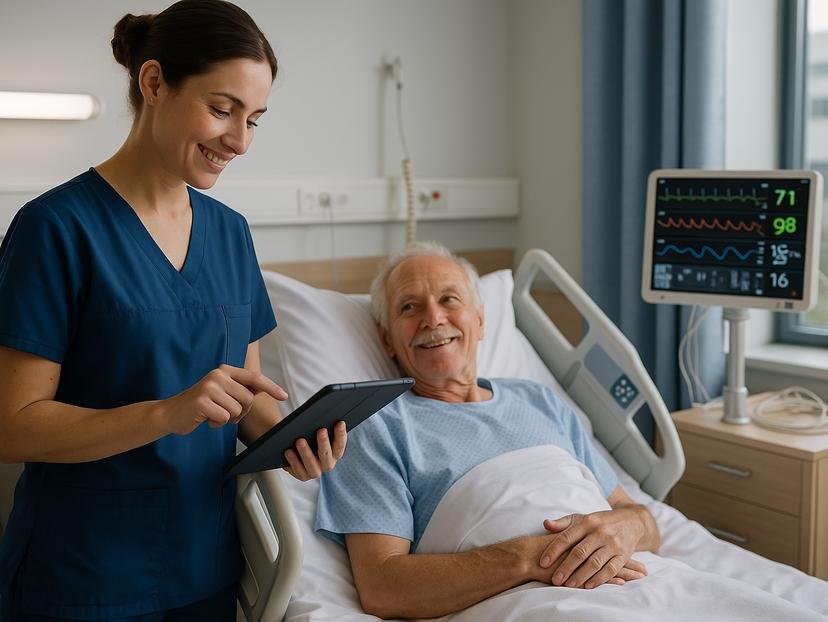
Preventative Risk
Informatics helps also by tracking the screenings done on patients during their stays in the hospital. This is to track a patient who has high fall risk or if the person has pressure ulcers. It keeps us ahead when it comes to patient’s vitals and being able to back track to see what the baseline vitals looked like so we can know how unstable our patient is. Nursing informatics have made nursing a lot simpler so that the job can get done with less problems.
Combining Nursing Science with Information and Analytical Sciences
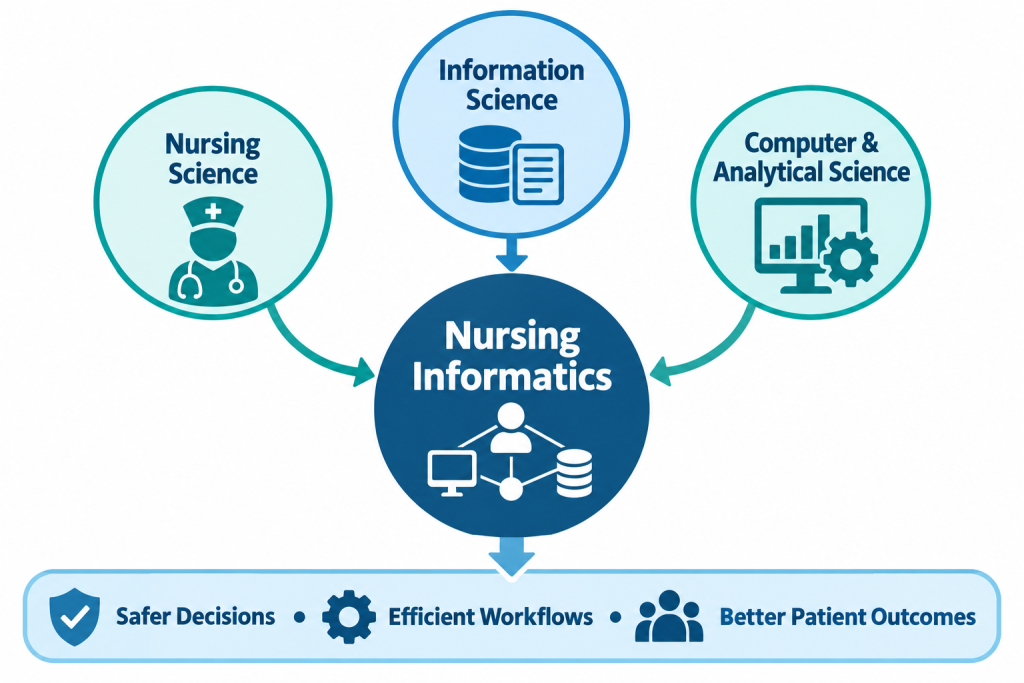
Nursing Informatics brings together nursing science, information science, and computer science and analytical science to support safer decisions, efficient workflows, and better patient outcomes.
- Improves patient safety
- Supports patient involvement
- Stronger interdisciplinary involvement
- Increases access to care
- Better patient education
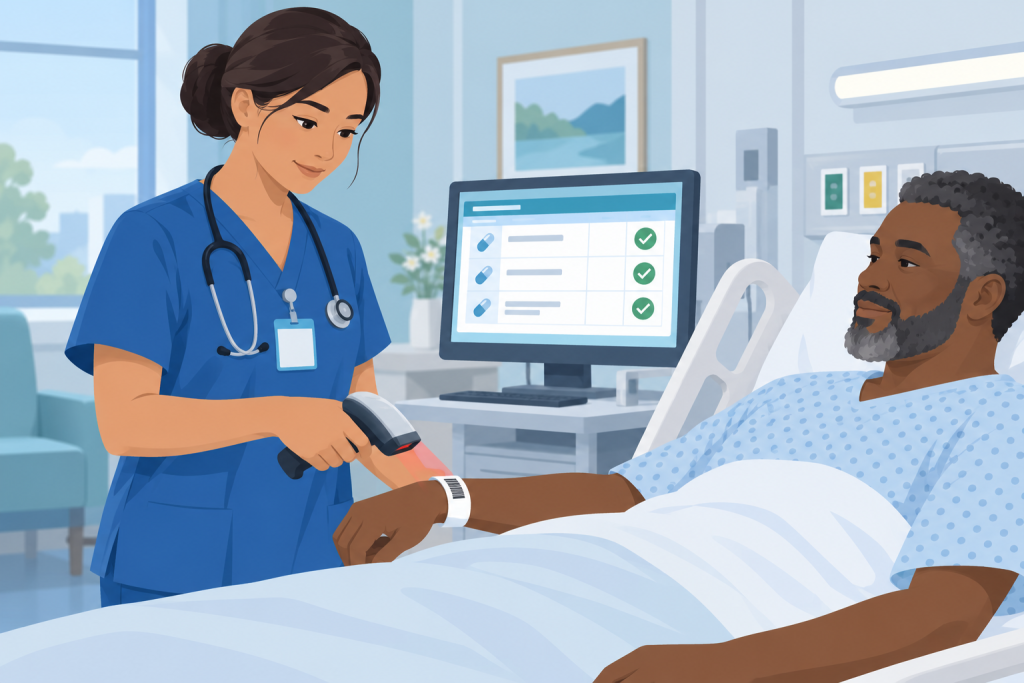
Barcode medication administration combines patient identification data, medication information, and clinical nursing judgment to support medication safety.
- Allergy warnings
- Drug interaction alerts
- Reduces medication errors
- Improves documentation
- Increases accountability
Combining Nursing informatics with Social Networking Sites
Social networking helps the users to be able to interact and connect with others that share comparable ideas(Miller). Some examples of social networking apps and sites include Facebook and LinkedIn.
- This app can be a valuable tool to help make public health resources available to the public(Miller, 2025). This can be helpful for those who don’t have access library’s or doctors offices close by. By using image sharing companies like the CDC and ANA can share information online for the public to read and be able to use. Facebook can also allow hospital group to share with each other. Miller said it can also help a hospital or organization view different tools such as viewing analytics, creating polls and making targeted ads(2025). Another example of using Facebook would be for disaster response. During the pandemic in 2020 Wells said that nurses and nursing professionals used Facebook groups and public pages to advocate for themselves and care delivery needs, as well as to communicate and educate themselves as precautions and best treatments as they changed(2024). Facebook can be used by not only the public but by professionals as well to keep themselves updated and educated on topics they are interested in.
- A profession networking site that users can use to connect with employers, make professionals profiles and search for jobs in their specific areas(Miller, 2025). This can help you connect with people in your field and show you more job opportunities. An example of this would be LinkedIn sending a users an email notification that a job fair is happening near then with the date and time.

Telehealth and Nursing Informatics
Nursing informatics is also used in telehealth, which allows patients to communicate with healthcare professionals without always having to be physically present in a healthcare facility. Nurses can use technology to monitor patients, provide education, answer questions, and communicate with providers. Telehealth can be especially helpful for patients who have difficulty traveling to appointments or who live far away from healthcare services. Informatics helps nurses collect, document, and communicate patient information while providing care through technology (ANA, 2023).
References:
American Nurses Association. (2023, July 5). What is nursing informatics and why is it so important?
American Nurses Association – Nursing Informatics
Office of the National Coordinator for Health Information Technology. (2026). Clinical decision support. https://healthit.gov/clinical-quality-and-safety/clinical-decision-support/
Challenges Associated with Nursing Informatics
The integration of Nursing Informatics significantly improves the quality of nursing documentation, enhances patient safety and facilitates communication between healthcare providers among numerous other benefits.
However, there is a flip side that must be considered. The integration of computers often requires extensive ongoing training, complex integration with EMRs, resistance to change among nursing staff, data security concerns, routinely scheduled and even unscheduled system downtimes. There are also problems associated with increased time spent documenting vs the amount of time providing direct patient care, redundant documentation in different areas of the EMR, technical issues, information not crossing over from other systems or monitors, troubleshooting system or computer problems on top of routine nursing duties. In spite of the potentially positive impact on the medical field there are still many problems.
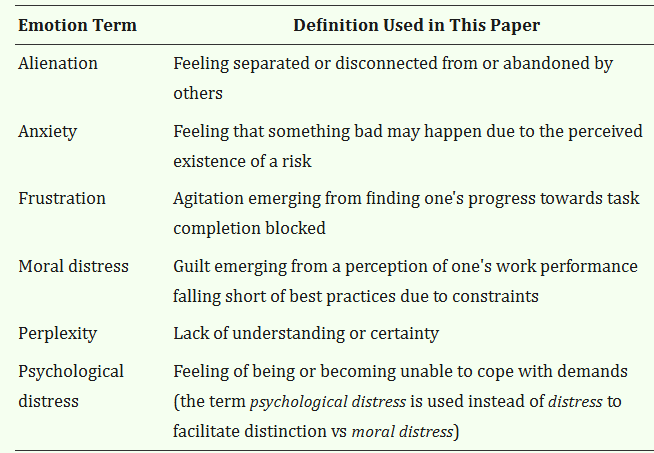
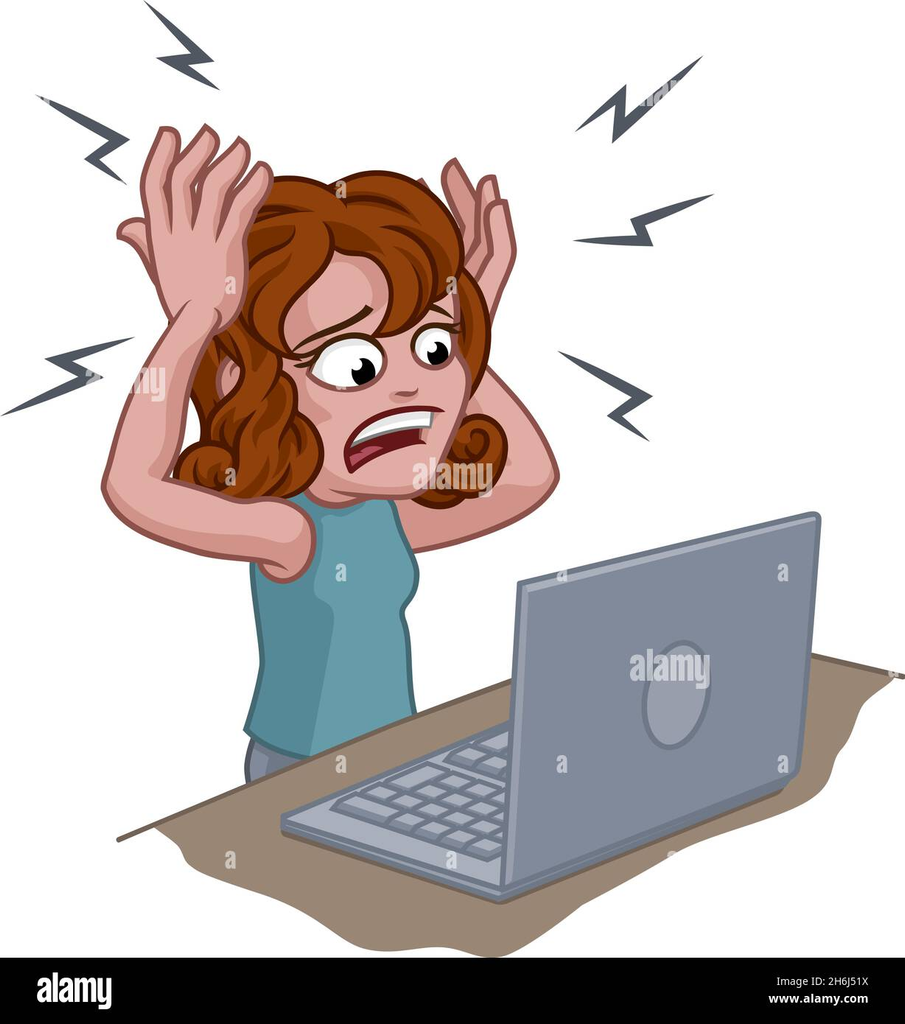
The six negative emotions nurses may experience when workplace technology interferes with their work.
References:
Golay, D., Salminen Karlsson, M., & Cajander, Å. (2022). Negative emotions induced by work-related information technology use in hospital nursing. Computers, Informatics, Nursing, 40(2), 113–120. https://doi.org/10.1097/CIN.00000000000
Data Privacy and Security in Nursing Informatics
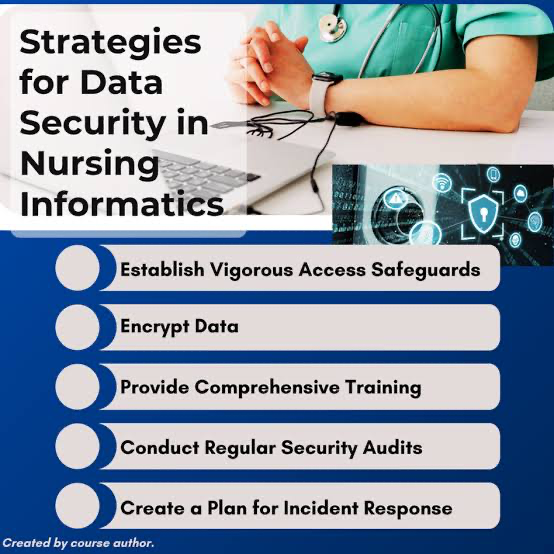
Data privacy and security are important aspects of nursing informatics because nurses regularly handle sensitive patient information. According to the American Nurses Association (ANA), nurses have a professional responsibility to protect patients’ privacy and keep their health information confidential. Nursing informatics relies on electronic health records and other healthcare technologies to store, share, and manage patient data while preventing unauthorized access.
Nurses can support data security by creating strong passwords, following workplace policies and procedures, accessing only the information needed for patient care, and handling electronic devices and records appropriately.
The Health Insurance Portability and Accountability Act (HIPAA) plays an important role in nursing informatics by protecting patients’ private health information. Nurses use electronic health records (EHRs) and other healthcare technology to document, access, and communicate patient information. Because this information is sensitive, nurses must follow HIPAA regulations and organizational policies to prevent unauthorized access or disclosure. Maintaining effective privacy and security practices helps ensure that patient information stays confidential, accurate, and accessible to authorized healthcare professionals when needed.
References:
American Nurses Association. (2024, February). Privacy and confidentiality.
Attachments
| File | Size | Added |
|---|---|---|
| image | 302 KB | Sep 14, 2026 |
| image | 756 KB | Sep 14, 2026 |
| image | 30 KB | Sep 14, 2026 |
| image | 30 KB | Sep 13, 2026 |
| image | 530 KB | Sep 9, 2026 |
| Nursing-Informatics-Stat-5 | 42 KB | Sep 8, 2026 |
| 1476429-pyxis-drug-dispenser | 252 KB | Sep 8, 2026 |

Leave a Reply
You must be logged in to post a comment.