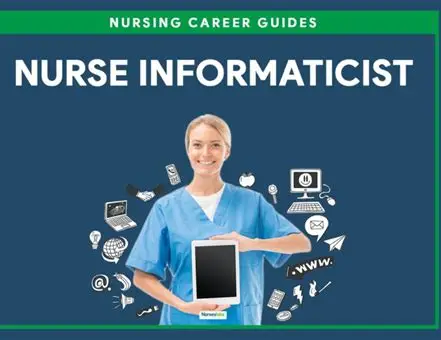
Group 7 Members: Maria L, Ashley L, Sadie L, Jessica L, Cooper, Ashley L
Nursing Informatics

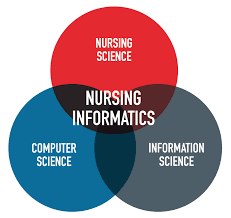
Nursing informatics is a unique field that combines nursing, information and data collection, along with computer science to support healthcare. It aids in organizing, managing, and using health information so that it can be easily accessed and understood by healthcare professionals. By using technology and data effectively, nursing informatics helps nurses and other healthcare providers make informed decisions, improve communication, and support safe, high-quality patient care (American Nurses Association, 2023).
Examples of Nurse informatics
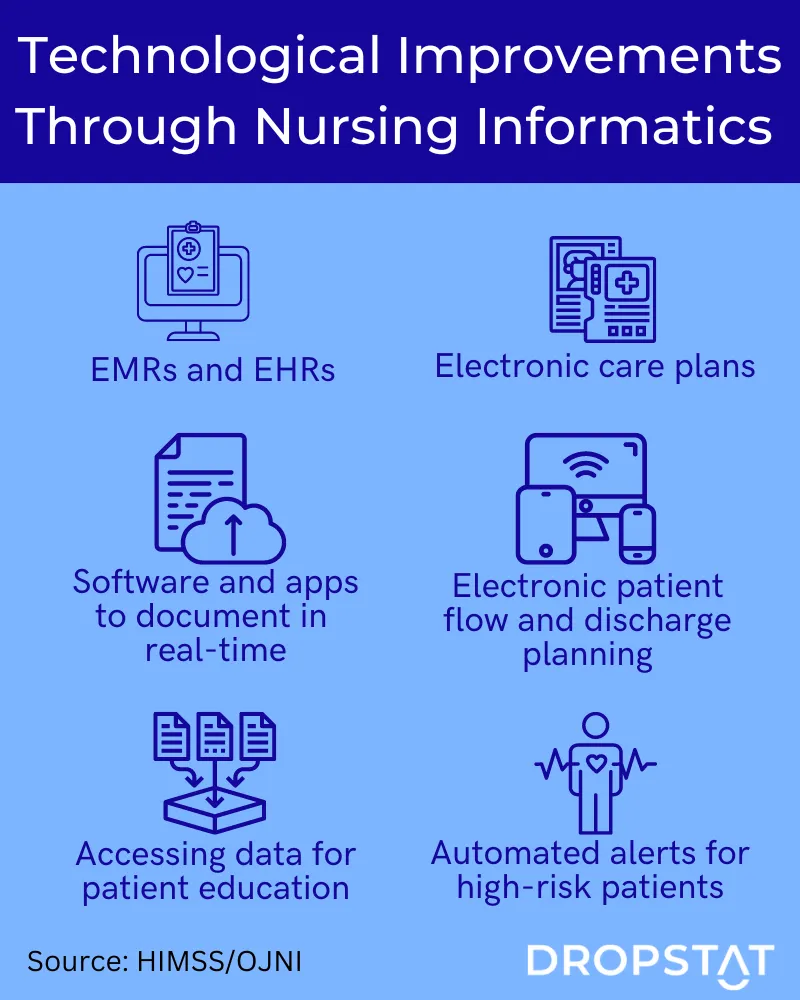
- Electronic Medical Records and Electronic Health Records (EMR/EHR)
- Virtual medical charting, that allows healthcare professionals to access patient’s personal information, communicate with other healthcare professionals, access important updates on the patient and supports documentation. (Mielke, 2023)
- Clinical Decision Support Systems (CDSS)
- These programs can allow nurses to look up researched information to support best practice when providing care.
- This can include medication compatibility, management of different diagnoses, and education topics for patients. (Mielke, 2023)
- Telehealth and Telemedicine
- These applications allow access to health care providers with a phone or computer from anywhere that has internet access.
- This can make management of health more accessible for patients who may have a harder time finding a health care provider for their needs. (Mielke, 2023)
- Health data collection devices
- These devices are utilized in the collection of patient health data. That data can then be sent to health care professionals for diagnostic or health management purposes.
- This can be very beneficial in patient autonomy and chronic disease management. (Mielke, 2023)
History of Nursing Informatics
Nursing informatics has grown as technology has become more common in healthcare. Nurses began using computers to organize patient information, improve documentation, and provide better care. Over time, nursing informatics expanded to include communication, decision-making, education, research, patient safety, and improving care.
Computers were first introduced to healthcare facilities in the 1950s (Nevada State University, 2024).
There have been several important milestones in nursing informatics. In 1992, the American Nurses Association (ANA) recognized nursing informatics as a subspecialty of nursing (Miller, 2025). This helped make informatics an important part of nursing. Another important milestone happened in the fall of 1997, when the first nursing informatics certification exam was given (Miller, 2025). This gave nurses a way to show their knowledge and skills in informatics.
Since then, nursing informatics has continued to grow as healthcare organizations have started using electronic health records and other technologies. Today, nursing informatics connects nursing with technology. Informatics nurses help improve documentation, make nurses’ work easier, keep patients safe, and improve patient care.
Benefits
According to Miller (2025), nursing informatics can improve patient outcomes, documentation, communication, access to healthcare information, and the use of data for quality improvement and research.
Patient Safety and Access to Information
With nursing informatics, nurses can quickly access and review available patient information and medical history. This can be especially important in urgent situations when a patient may not be able to provide all of the necessary information. Having access to this information can help nurses make safer, more informed decisions.
Documentation and Quality Improvement
Electronic documentation also allows nurses to review information from previous shifts. If something is missed during nursing report, nurses can refer to the chart for lab values, vital signs, or notes from consulting teams. Complete documentation can also provide useful data for quality improvement and research (Miller, 2025).
Career Pathway
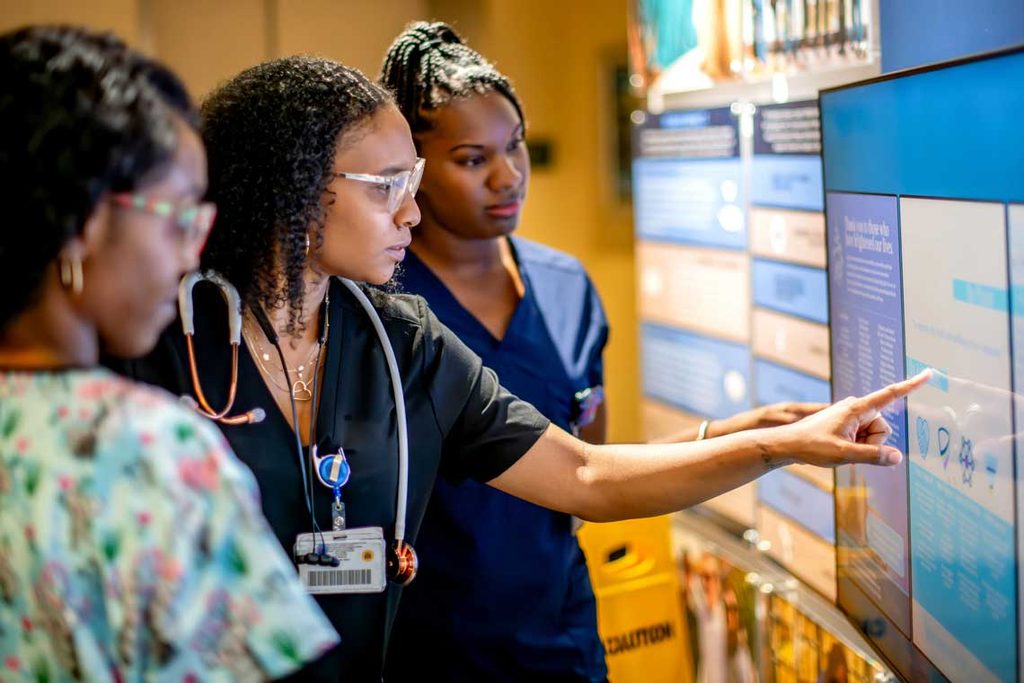
First recognized as a specialty in 1992, there are many routes to start a career as a nurse in informatics. The first step is becoming a Registered Nurse. Preparation as a BSN, RN is preferred but ADN, RN are not excluded (Miller, 2025).
Clinical experience as an RN is crucial and allows for exposure to informatics. During clinical experience you will have opportunities to learn charting systems (EMR), volunteer for committees, and network. Those interested can become superusers. Superusers become experts of a system and then mentors new and current users how to use or improve use of said system (Miller, 2025).
Nurses in formatics can be informatics nurses or informatics nurse specialist. Specialist have formal education prepared with a master’s or doctoral degree with a focus or minor in nursing informatics. Although recognized as a specialty educational programs are not accredited. It is important to identify your area of interest and make sure your chosen program is aligned (Miller, 2025).
Certification can be obtained through the American Nurse Credentialing Center (ANCC). According to the ANA website (http://www.nursingworld.org) requirements to sit for the exam include:
- current and active RN license
- Bachalor’s degree or higher in a related field
- minimum of 2 years full-time clinical experience
- 30 CEUs in nursing informatics within the last 3 years
- Meet one of three practice hour requirements
- Have practiced a minimum of 2,000 hours in informatics within the last 3 years
- Have practiced a minimum of 1,000 hours in informatics nursing in the last 3 year-end have completed a minimum of 12 semester hours of academic credit informatics courses that are part of a graduate- level informatics nursing program
- have completed a graduate program in informatics nursing containing a minimum of 200 hours of faculty-supervised practicum in informatics nursing
As with all nursing specialties there is an expectation of life long learning. Miller (2025) references, Continuing education opportunities for informatics nurses in the form of conferences. Conferences provide space for education and collaboration. Some universities offer specialized courses. Rutgers college of nursing, University of Maryland, and ANIA also sponsor yearly conferences.
Competencies

As with any field there are standards and expectations in the nursing realm. It is very important that we are acquiring the knowledge and skills required to both serve the public and advance healthcare. This effort also instills confidence in the healthcare system as we adopt changes. There are many systems in place to guide nursing practice:
- TIGER (Technology Informatics Guiding Education Reform)- initiated in 2009 as a guide to integrate informatics, nursing education, practice, and research (Miller, 2025, p13-14). More information can be found on the HIMSS website (http://himss.org).
- QSEN (Quality and Education for Nurses)- developed by the AACN to make sure nurses are educated on how to deliver a standard of care. Education includes topics on professionalism, person- centered care, nursing knowledge, expectations in advanced-level education, etc (Miller, 2025, p 14).
- Code of Ethics- Set forth by the ANA in 2015 helps nurses navigate complex issues such as privacy, ethical dilemma, collaboration with the public and much more. A complete list of provisions can be found on the ANA website (http://codeofethics.ana.org).
- Scope of Practice- detailed information regarding what nurses are permitted to do in their specialty, licensure information, APRN practice, and different practice settings. It is imperative that all nurses familiarize themselves and stay up to date with changes. Scope of practice can be reviewed on the ANA website (http://nursingworld.org).
Emerging Technology & Future Trends
Advancing technologies such as telehealth, remote monitoring, ambient charting and artificial intelligence (AI) are changing nurse practice as we know it. The accesbility aspect for patient and providers with telehealth allow the ability to provide remote patient care, education, and follow-up visits. Remote monitoring has the ability to use connectd devices in order to gather patient data and to identfiy any health concerns. AI integration and Ambient charting have the ability to assist with documentation and clinical-decision making, which gives nurses the ability to prioritze and focus on patient care. These technologies support accesible, effecient, and patient centered nursing care while ensuring nurses maintain their clinical judgment, accuracy, and patient privacy.
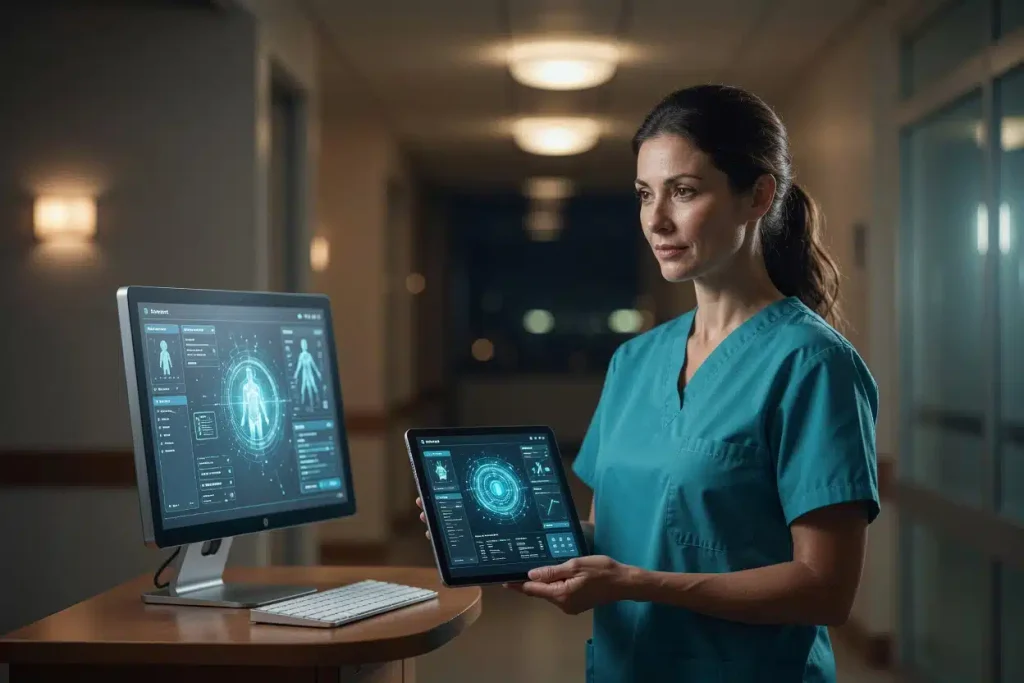
- Telehealth: Provides remote patient care, education, and follow-up, improving access to healthcare (Schultz, 2023).
- Remote Monitoring: Uses technology to track patient health data and identify changes requiring nursing intervention (Schultz, 2023).
- Ambient Charting: Uses AI to assist with documentation, reducing charting time and allowing nurses to focus on patient care.
- Nursing Informatics and AI: Uses technology and patient data to support clinical decision-making and improve patient outcomes.
References:
American Nurses Association. (2025). Code of Ethics for Nurses. American Nurses Association. https://codeofethics.ana.org/home
American Nurses Association. (2023, July 5). What is nursing informatics and why is it so important? American Nurses Association. https://nursingworld.org/content-hub/resources/nursing-resources/nursing-informatics/
American Nurses Enterprise: American Nurse Association. (n.d.). American Nurse Credentialing Center. Nursingworld.org. http://nursingworld.org/
American Nurse Enterprise: American Nurse Association. (n.d.). Scope of Practice in Nursing. Nursingworld.org. https://nursingworld.org>practice-policy>scope
Choi, J., Woo, S., & Ferrell, A. (2023). Artificial intelligence assisted telehealth for nursing: A scoping review. Journal of Telemedicine and Telecare. https://pubmed.ncbi.nlm.nih.gov/37071572/
Healthcare Information and Management Systems Society. (2019). Himss Technology Informatics for Global Education and Readiness (TIGER) Global Community. Himss.org. https://www.himss.org>communities>tiger
Mielke, J. (2023). 4 Nursing Informatics Examples & Applications. Nurse.Org. https://nurse.org/education/nursing-informatics-examples/
Miller, K. (2025). Informatics and nursing: Opportunities and challenges (7th ed.). Wolters Kluwer.
Nevada State University. (2024, July 30). Empowering care with nursing informatics: Trends and impact.
Schultz, M. A. (2023). Telehealth and remote patient monitoring innovations in nursing practice: State of the science. OJIN: The Online Journal of Issues in Nursing, 28(2), Article 1. https://doi.org/10.3912/OJIN.Vol28No02ST01
Health Wearable Devices
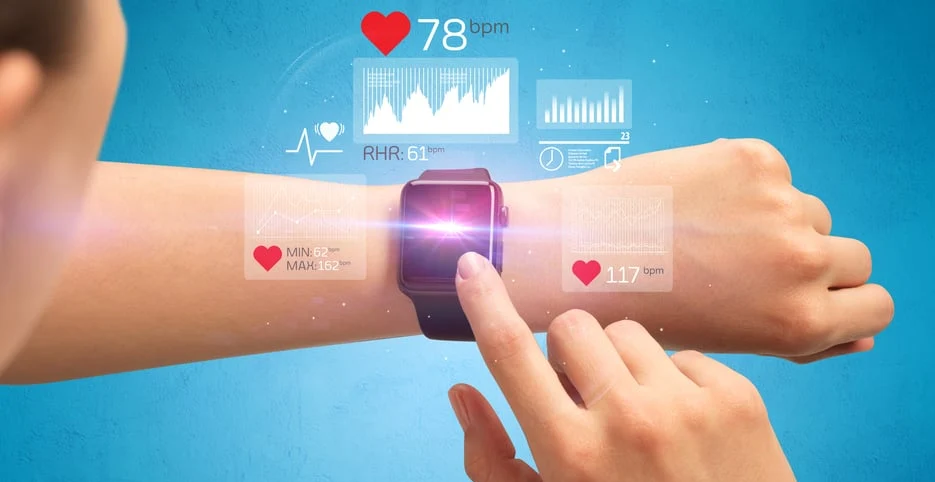
In addition to the future of healthcare and nursing informatics has been the tracking and use of data collected from mobile health devices patients care wear at home. Some examples include continuous glucose monitoring, Holter monitors, bluetooth enabled scales or blood pressure cuffs, or consumer tech like apple watches and oura rings. These devices collect data and, in some cases, will alert providers on abnormal numbers. Nursing informatics is used to assist in understanding the data. Wearable health technology has given patients a better understanding of their own health. Often reducing hospital visits or staying ahead of a heath condition such a CHF. If a Bluetooth enabled smart scale notified a patient they have an excessive weight gain rapidly, the patient may be able to reach out and be given guidance on taking diuretics and monitoring symptoms.
Apple watches help patients with abnormal heart rhymthms be able to catch them in realtime.
Continuous glucose monitoring assists diabetics with management of their blood sugar without constant finger pricks.
Technology has taken a turn in the healthcare industry thanks to nursing informatics, surely this is just the beginning.
References:
RN-Nurse. (2025, May 30). Wearable Tech in Nursing: Is It the Future of Patient Care? Rn-Nurse.Com. https://rn-nurse.com/wearable-tech-in-nursing-is-it-the-future-of-patient-care/
Bove, L. A. (2019). Increasing Patient Engagement Through the Use of Wearable Technology. The Journal for Nurse Practitioners, 15(8). https://doi.org/10.1016/j.nurpra.2019.03.018
Attachments
| File | Size | Added |
|---|---|---|
| image | 433 KB | Sep 14, 2026 |
| image | 659 KB | Sep 14, 2026 |
| image | 429 KB | Sep 13, 2026 |
| Nursing-Informatics-Stat-3 | 55 KB | Sep 13, 2026 |
| image | 15 KB | Sep 8, 2026 |
Leave a Reply
You must be logged in to post a comment.