Group 8 Members: Jenin M, Shayla M, Aaron M, Lovely, Rileigh M, Terriauna M
Please use this page to add your content, images, videos, links to additional content, and reference section.
Nursing Informatics
What is nursing informatics? Nursing informatics is the integration of nursing science, information, and technology to manage and communicate healthcare information to support safe patient care (American Nurses Association [ANA], 2015). Nurses use informatics every shift to document assessments, review labs, communicate with providers, and administer medications.
Reference
YouTube. (n.d.). Nursing informatics overview [Video]. YouTube. https://youtu.be/ub1ScYHH3GE
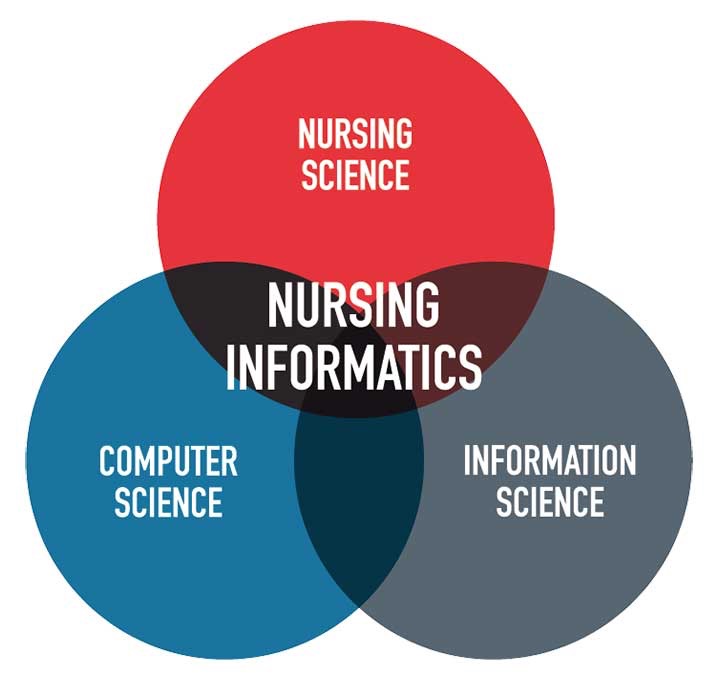
Nursing Informatics in Clinical Practice
Nurses use informatics throughout almost every shift, sometimes without realizing it. Common examples include:
Electronic Health Records (EHRs): Systems such as Epic, Cerner, and PointClickCare allow nurses to document assessments, medications, vital signs, care plans, and patient outcomes. Nurses can also review previous documentation and identify changes or trends.
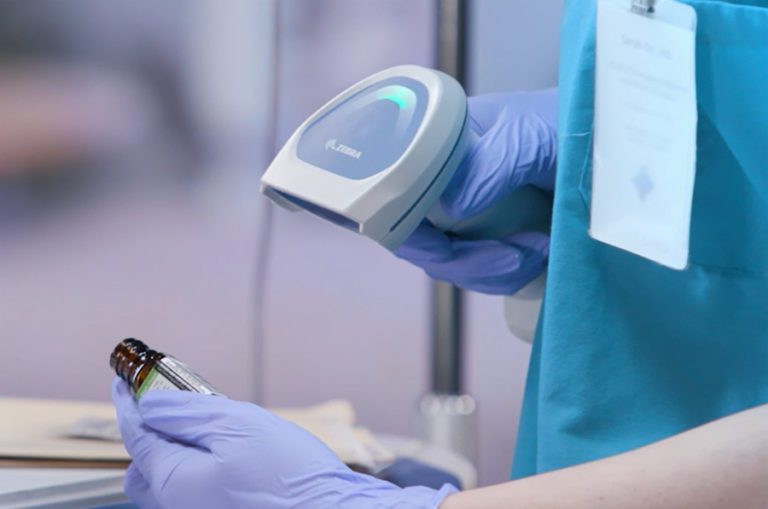
Barcode Medication Administration (BCMA): Scanning the patient’s identification band and medication helps verify the correct patient and medication before administration. This part of informatics, promotes and ensures safety.
Clinical Decision Support: Electronic alerts can notify nurses and providers about medication interactions, allergies, abnormal laboratory results, or other potential safety concerns.
Vital Sign and Laboratory Trending: Reviewing previous results can help nurses recognize changes in a patient’s condition rather than evaluating a single value by itself.
Telehealth: Technology allows patients to communicate with healthcare professionals remotely and can improve access to specialists and follow-up care.
Patient Portals: Patients can access test results, appointments, medication information, and messages from their healthcare team.
References
American Nurses Association. (2015). Nursing informatics: Scope and standards of practice (2nd ed.). American Nurses Association.
Miller, K. S. (2025). Informatics and nursing: Opportunities and challenges (7th ed.). Wolters Kluwer.
Ozbolt, J., Nahm, E.-S., Roberts, D., & Wilson, M. (2007, September 11). How about a career in nursing informatics?American Nurse Journal.
In the medical field, we use barcode scanning when administering medications as an extra safety measure. By scanning the patient’s wristband and the medication, we can verify the right patient, medication, dose, route, and time. This helps reduce medication errors and ensures accurate documentation in the patient’s electronic health record. As a nurse, I feel barcode scanning provides an important additional safety check before giving medications (American Nurses Association [ANA], 2022).
Reference
American Nurses Association. (2022). Nursing informatics: Scope and standards of practice (3rd ed.). American Nurses Association.
How Nursing Infomatics Impacts Nursing
- Improves Patient Care and Safety-Allows nurses to access accurate patient information and electronic health records (EHRs), helping them make decisions more quickly and reduce medical errors
- Increases Efficiency-Nursing informatics utilizes technology to streamline documentation, communication, and workflow processes. Which in turns reduces time speak on paperwork and allows the nurses to spend more time completing patient care.
- Supports Evidence-Based Practice-By analyzing data, nurses identify trends, evaluate outcomes, and apply the best evidence to improve patient treatment, outcomes, and quality care.
- Enhances Communication-Ensures that patient information is accessible, updated, and shared by interdisciplinary teams.
- Promotes Quality Improvement-Helps monitor performance, track patient outcomes, and identify safety, efficiency, and quality of care.
- Prepares Nursing for Future Technologies-As healthcare adopts technologies such as artificial intelligence (AI) and telehealth, nursing informatics plays a critical role in ensuring those tools are used effectively and ethically support patient care.
Nursing Informatics bridges the gap between healthcare and technology. It promotes patient safety, increases nursing efficiency, supports evidence-based practice, and helps healthcare teams deliver quality care. Nursing informatics will remain an essential part of modern nursing practice as technology continues to evolve.
Reference
American Nurses Associations. (2023, July 5). What is nursing informatics and why is it so important? Nursing World. https://nursingworld.org/content-hub/resources/nursing-resources/nursing-informatics/
Wound photography is a great example of nursing informatics. Nurses can take pictures of a wound and document its size, edges, drainage, and tissue appearance. Comparing these pictures over time helps the healthcare team monitor the healing process and recognize changes in the wound. Digital wound images can also become part of the patient’s electronic health record, improving communication and continuity of care (American Nurses Association [ANA], 2022).
Reference
American Nurses Association. (2022). Nursing informatics: Scope and standards of practice (3rd ed.). American Nurses Association.


What is Nursing Science?
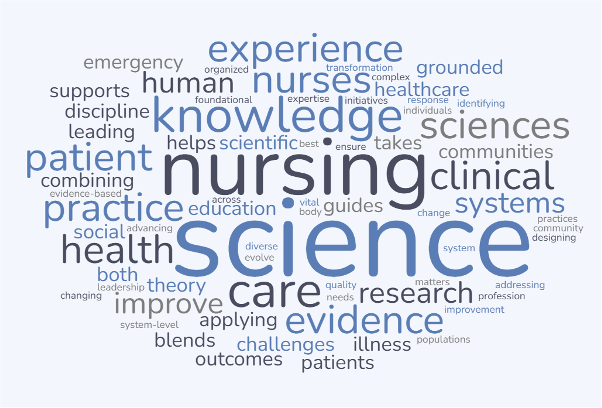
Nursing science is the foundation of knowledge that nurses use to provide safe, effective, and evidence-based patient care. It combines nursing knowledge, clinical experience, assessment skills, and research to guide nursing practice. In nursing informatics, nursing science works together with technology and patient information to help nurses make informed clinical decisions, identify changes in a patient’s condition, and improve overall patient outcomes (American Nurses Association [ANA], 2022).
Reference
American Nurses Association. (2022). Nursing informatics: Scope and standards of practice (3rd ed.). American Nurses Association.
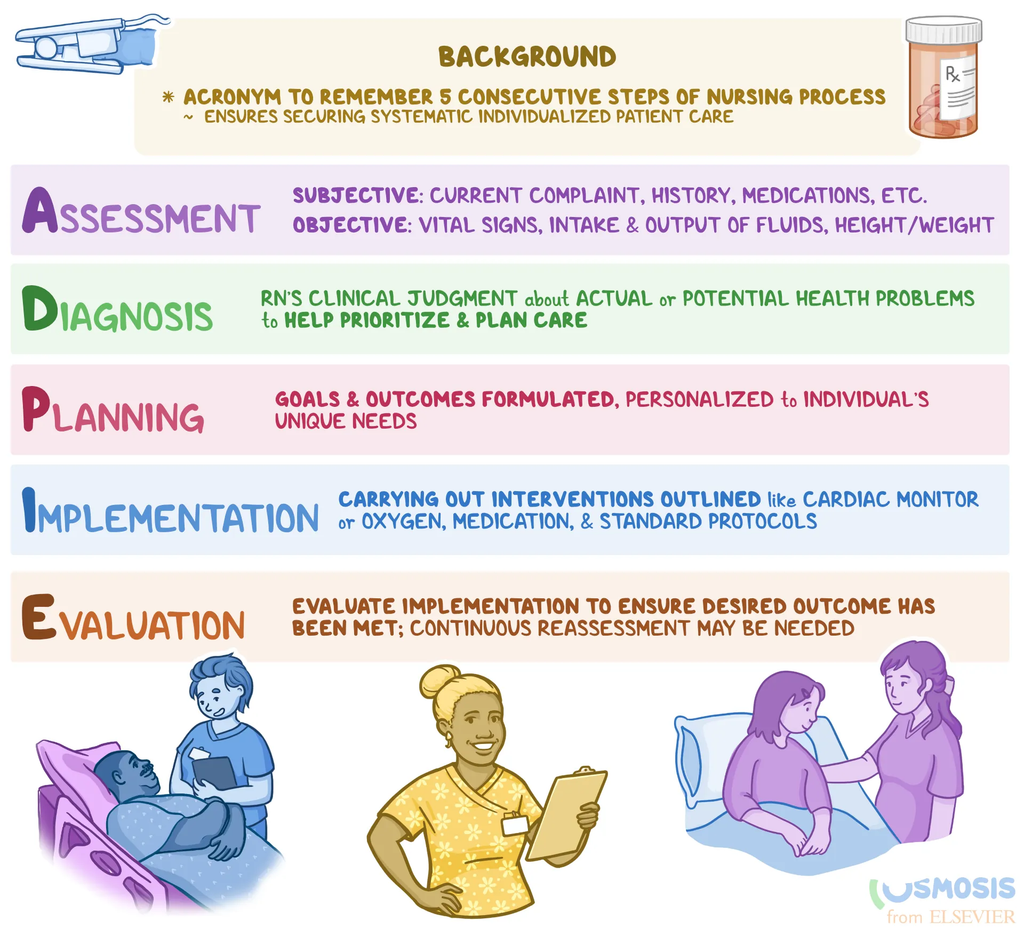
In the nursing process, there are several important steps. The first step is assessment, which involves collecting information directly from the patient and reviewing the electronic health record (EHR), including past medical history, medications, laboratory results, and previous visits. Nurses can compare this information with the patient’s current symptoms and concerns to identify changes or potential problems. This is an example of nursing science because the nurse combines clinical knowledge, assessment findings, previous health information, and critical thinking to make informed decisions about the patient’s care. Nursing informatics supports this process by making important patient information readily available and helping nurses recognize trends that may affect patient outcomes (American Nurses Association [ANA], 2022).
Reference
American Nurses Association. (2022). Nursing informatics: Scope and standards of practice (3rd ed.). American Nurses Association.
NURSING BUNDLES Best Practice Advisories (BPAs): Real-time alerts that fire when a component of an active care bundle is due or overdue.
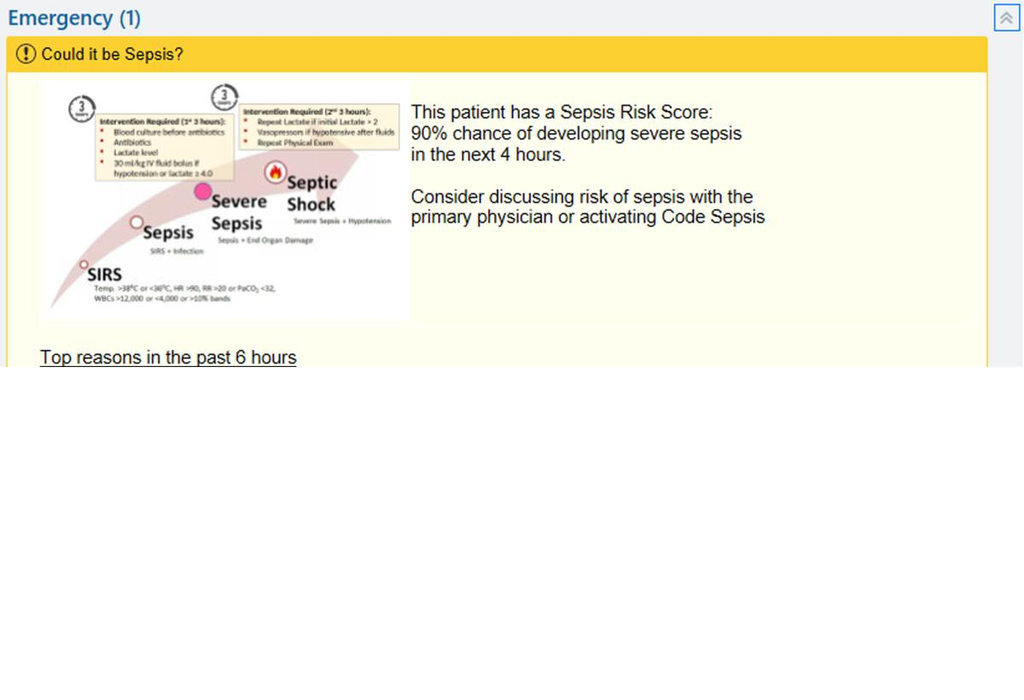
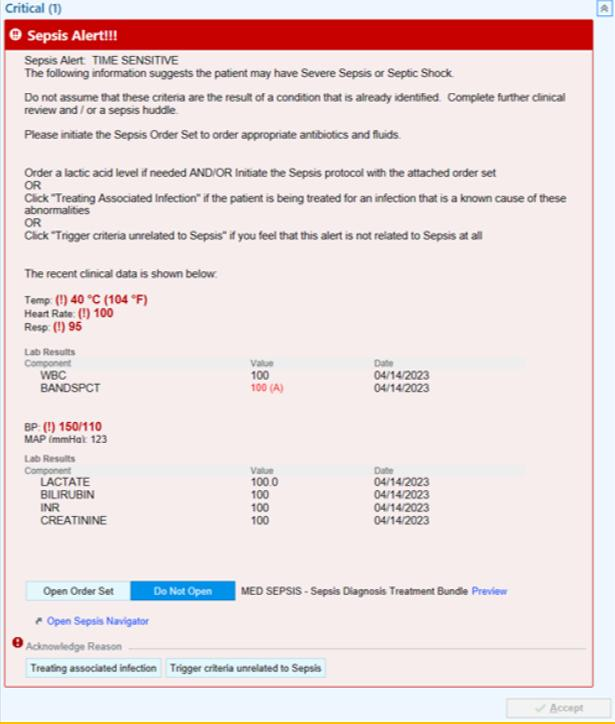
Nursing bundles within the electronic health record can help nurses recognize changes in a patient’s condition and provide timely interventions. In Epic, clinical decision support tools may generate alerts based on patient information such as abnormal vital signs, laboratory results, medications, or changes in assessment findings. For example, a sepsis alert may notify the nurse when a patient meets certain criteria for possible sepsis and prompt the healthcare team to complete appropriate assessments and interventions. These electronic tools support nursing judgment by helping nurses recognize potential concerns early and improve patient safety (American Nurses Association [ANA], 2022).
Reference
American Nurses Association. (2022). Nursing informatics: Scope and standards of practice (3rd ed.). American Nurses Association.
DIKW Framework to Transfer Data Into Nursing Wisdom
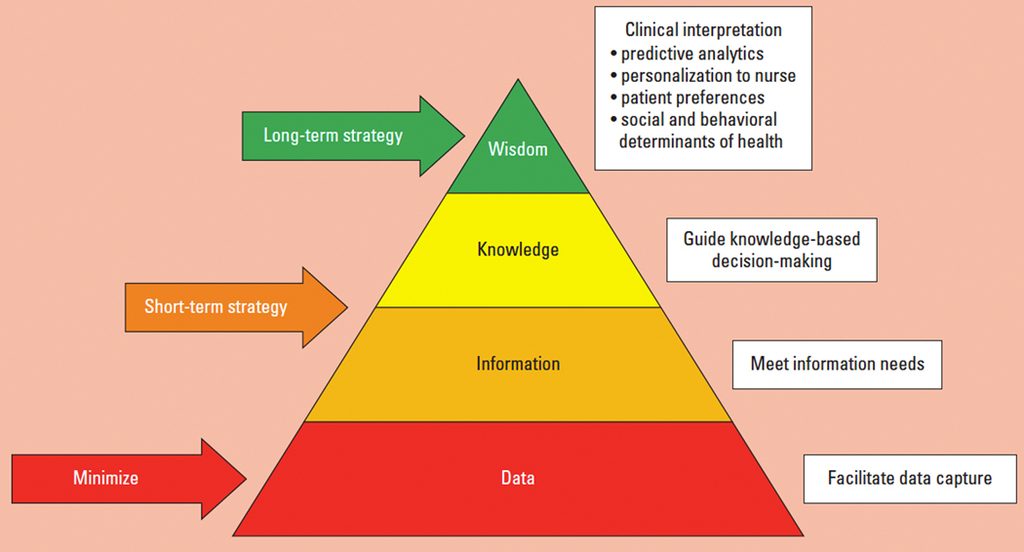
An NIH article by Cato et al. (2020) discusses how nursing informatics is moving beyond simply documenting and storing patient information. The authors explain the importance of turning the large amount of data collected in electronic health records into useful information that can actually support nursing decisions. One framework they focus on is the Data, Information, Knowledge, Wisdom (DIKW) model. In simple terms, nurses collect data, give that data meaning, recognize patterns, and then use their clinical judgment to decide what action is needed. The authors explain that artificial intelligence (AI) and clinical decision support (CDS) can help nurses move through this process more efficiently and recognize potential problems earlier.
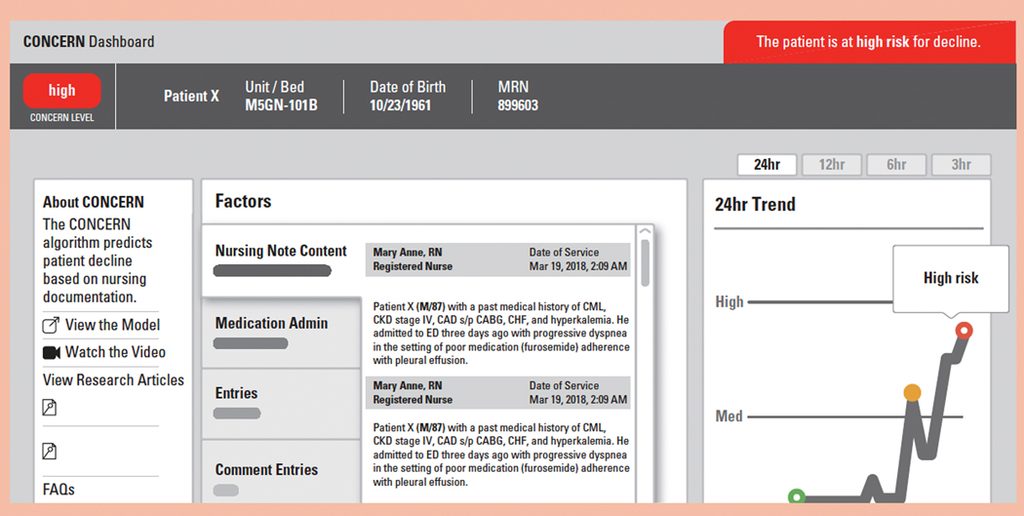
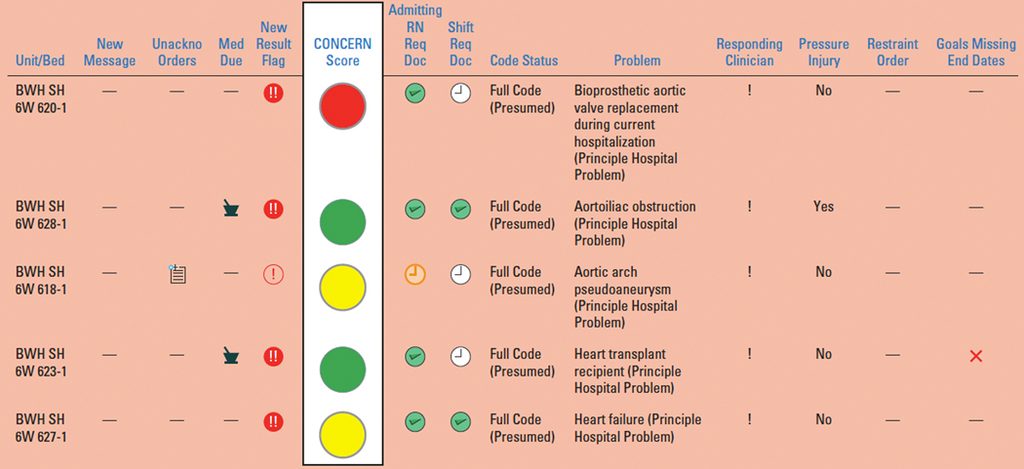
One part of the article that stood out to me was the discussion of the CONCERN clinical decision support system. An example is shown in the photo above. This technology looks at patterns in nursing documentation, including nursing notes, flowsheet entries, and medication administration information, to identify patients who may be at risk for deterioration. The system provides different levels of concern so nurses can recognize which patients may need closer attention. The authors emphasize that technology should support nursing judgment rather than replace it. I think this is especially important because nurses are still responsible for assessing the patient and deciding whether the information generated by the technology makes sense in the clinical situation. Overall, the article shows how nursing informatics can help nurses use patient data more effectively, recognize changes sooner, and make more informed decisions while still keeping clinical judgment at the center of patient care (Cato et al., 2020).
Reference
Cato, K. D., McGrow, K., & Rossetti, S. C. (2020). Transforming clinical data into wisdom: Artificial intelligence implications for nurse leaders. Nursing Management, 51(11), 24–30. https://doi.org/10.1097/01.NUMA.0000719396.83518.d6
IT Translation
- What is IT translation? IT translation is the use of technology to allow an interpreter to bridge the gap between a patient and a healthcare professional with a language barrier.
- This can be done with live interpreters through video chat or over the phone. AI can even be used to translate what someone says instantly.
- America is the most diverse place on the planet and because of that there needs to be access to hundreds of rare languages which is impossible without technology.
- Language barriers can be a liability, miscommunication can cause medical mishaps interfering with patient safety. It is also a large factor in causing patient reentry, especially in the ER, patient dissatisfaction, and extended hospitalization. All of these factors more importantly effect patient outcomes but also increase hospital costs.
- The video above is a discussion highlighting the importance of ridding language barriers and how AI can improve care significantly.
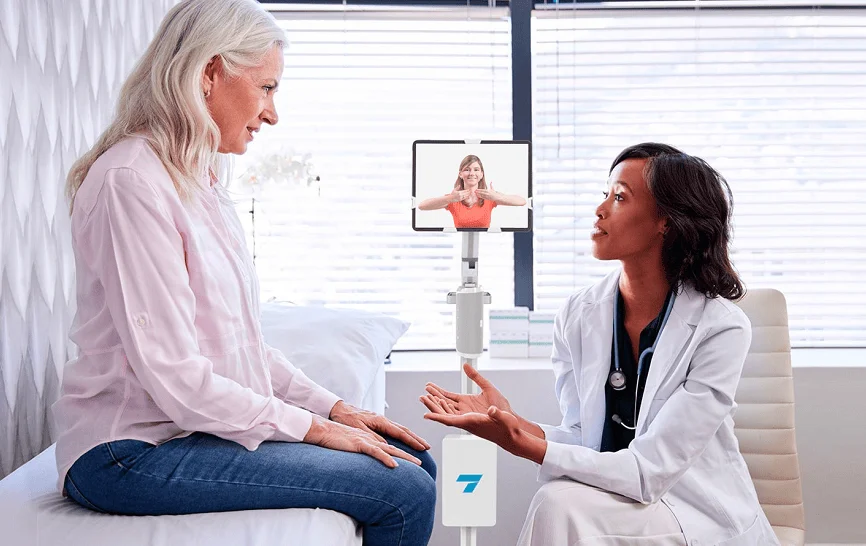
- The image above is an amazing example of how using an IT interpreter can be possible while still facing the patient and using engaged body language.
References
Houston Methodist. (2026, January 6). Language assistance technology: Ensuring LEP patients are part of the care conversation. Leading Medicine. https://www.houstonmethodist.org/leading-medicine-blog/articles/2026/jan/language-assistance-technology-ensuring-lep-patients-are-part-of-the-care-conversation/
JAMA Network. (2025, February 9). AI as interpreter in the clinic [Video]. YouTube. https://youtu.be/7sjG5fZygq4
LAB VALUES AND VITAL SIGN TRENDS
Vital Sign Trends
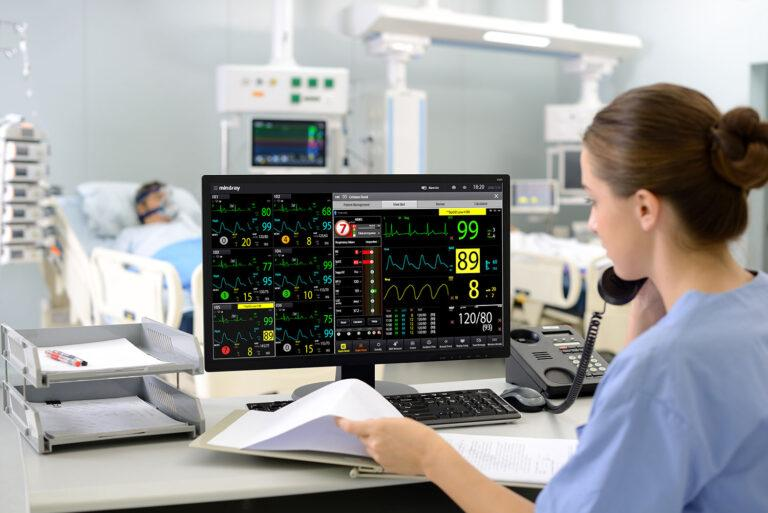
Computerized documentation allows nurses to compare blood pressure, heart rate, respiratory rate, temperature, oxygen saturation, and other physiological measurements across several hours or days. A gradual change may be more clinically significant than a single abnormal measurement.
Laboratory Trends
EHR technology also makes it easier for nurses to evaluate laboratory results as trends rather than isolated numbers. Nurses can compare values such as hemoglobin, hematocrit, white blood cell count, potassium, creatinine, glucose, and other results with previous measurements.
A creatinine level that continues to rise may indicate worsening renal function, while decreasing hemoglobin and hematocrit values may prompt assessment for possible blood loss or other causes. The computer organizes and displays the data, while the nurse uses nursing knowledge, assessment findings, and clinical judgment to determine what the information means for the individual patient. Clinical technologies can combine EHR information, laboratory results, and real-time monitoring data to provide nurses with actionable information at the point of care.
Reference
Ronquillo, C. E., Peltonen, L.-M., Pruinelli, L., Chu, C. H., Bakken, S., Beduschi, A., Cato, K., Hardiker, N., Junger, A., Michalowski, M., Nyrup, R., Rahimi, S., Reed, D. N., Salakoski, T., Salanterä, S., Walton, N., Weber, P., Wiegand, T., & Topaz, M. (2021). Artificial intelligence in nursing: Priorities and opportunities from an international invitational think-tank of the Nursing and Artificial Intelligence Leadership Collaborative. Journal of Advanced Nursing, 77(9), 3707–3717. https://doi.org/10.1111/jan.14855
Cybersecurity in Nursing Informatics
The most common cybersecurity risks in nursing practice come from a combination of human error, vulnerable connection technologies, and social engineering within fast paced clinical workflows.
Nurses are frequent targets for phishing emails disguised as urgent hospital, nursing home, payroll updates, as well as criminal phone fraud where scammers pose as IT support to steal network credentials. Within the unit, risks manifest as unattended workstation left logged into electronic health records, accidental data exposure from using unencrypted personal messaging apps, and unauthorized snooping into the records of high profile patients.
The most vulnerable medical devices are implantable defibrillators that can allow unauthorized access to device programming, imaging systems can act as entry points for broader network attacks, with drug infusion pumps hackers can potentially alter settings to cause dangerous overdoses or underdoses, and more. These examples directly compromise both patient data privacy and immediate clinical safety.
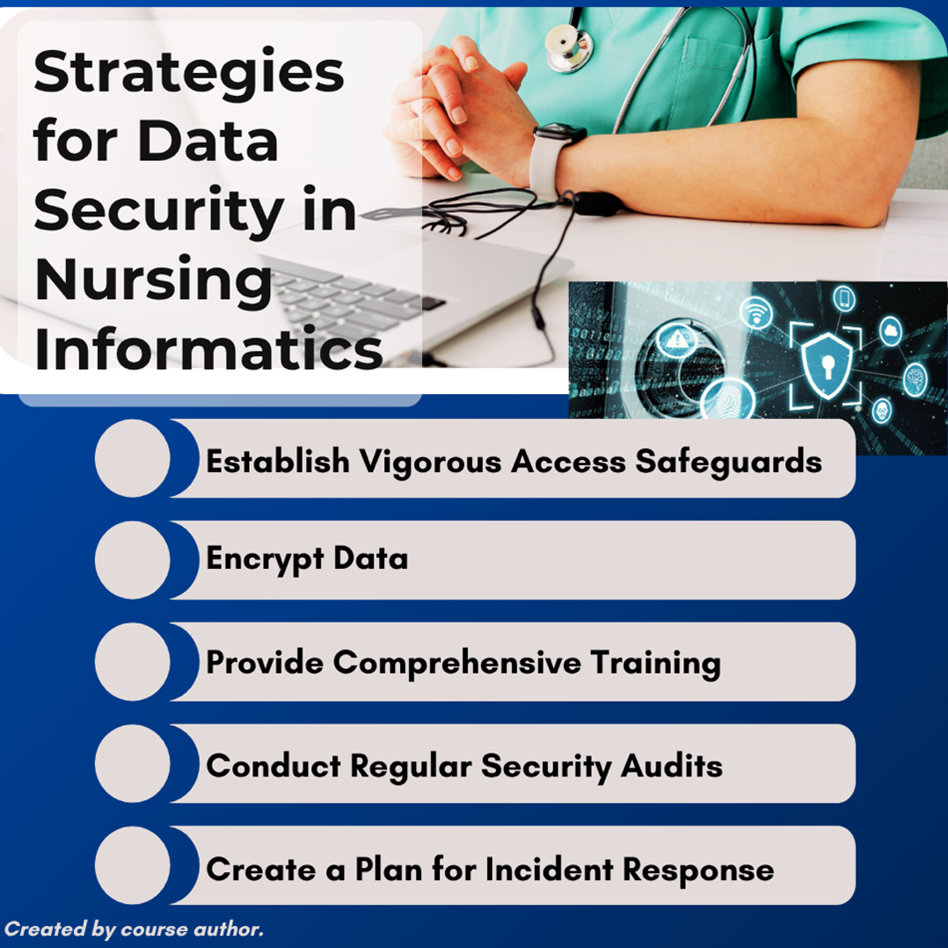
The infographic above shows general strategies for securing data (Strategies for data security in nursing informatics. Adapted from Schmitt (n.d.), Nursing CE Central.)
The law sets strict national standards for how ePHI must be stored, accessed, and transmitted. Nurses are legally bound by HYPAA to ensure that patient records, treatment plan, and personal details remain completely confidential.
References
“Enhancing Discharge Preparation for Parents after Complex Cardiac Surgery: Evaluation of an E-Learning Resource for Nurses.” PubMed Central (PMC), U.S. National Library of Medicine, https://pmc.ncbi.nlm.nih.gov/articles/PMC12141808/.
Schmitt, A. (n.d.). The nurse informaticist role in client security. Nursing CE Central.
References
American Nurses Association. (2015). Nursing informatics: Scope and standards of practice (2nd ed.). American Nurses Association.
American Nurses Association. (2022). Nursing informatics: Scope and standards of practice (3rd ed.). American Nurses Association.
American Nurses Associations. (2023, July 5). What is nursing informatics and why is it so important? Nursing World. https://nursingworld.org/content-hub/resources/nursing-resources/nursing-informatics/
Cato, K. D., McGrow, K., & Rossetti, S. C. (2020). Transforming clinical data into wisdom: Artificial intelligence implications for nurse leaders. Nursing Management, 51(11), 24–30. https://doi.org/10.1097/01.NUMA.0000719396.83518.d6
Houston Methodist. (2026, January 6). Language assistance technology: Ensuring LEP patients are part of the care conversation. Leading Medicine. https://www.houstonmethodist.org/leading-medicine-blog/articles/2026/jan/language-assistance-technology-ensuring-lep-patients-are-part-of-the-care-conversation/
JAMA Network. (2025, February 9). AI as interpreter in the clinic [Video]. YouTube. https://youtu.be/7sjG5fZygq4
Miller, K. S. (2025). Informatics and nursing: Opportunities and challenges (7th ed.). Wolters Kluwer.
Ozbolt, J., Nahm, E.-S., Roberts, D., & Wilson, M. (2007, September 11). How about a career in nursing informatics? American Nurse Journal.
YouTube. (n.d.). Nursing informatics overview [Video]. YouTube. https://youtu.be/ub1ScYHH3GE
Attachments
| File | Size | Added |
|---|---|---|
| SampleCONCERN | 342 KB | Sep 12, 2026 |
| role-of-informaticist-in-client-security-course-image-2 | 461 KB | Sep 12, 2026 |
| nurse-informaticist-role-in-client-security-course-image-7 | 119 KB | Sep 12, 2026 |
| image | 504 KB | Sep 11, 2026 |
| IT translation | 61 KB | Sep 10, 2026 |
| Image | 39 KB | Sep 9, 2026 |
| CONCERNmodel | 335 KB | Sep 9, 2026 |
| DIKW | 307 KB | Sep 9, 2026 |
| image | 257 KB | Sep 9, 2026 |
| image | 344 KB | Sep 9, 2026 |
| image | 2 MB | Sep 9, 2026 |
| image | 148 KB | Sep 9, 2026 |
| Image | 49 KB | Sep 9, 2026 |


Leave a Reply
You must be logged in to post a comment.