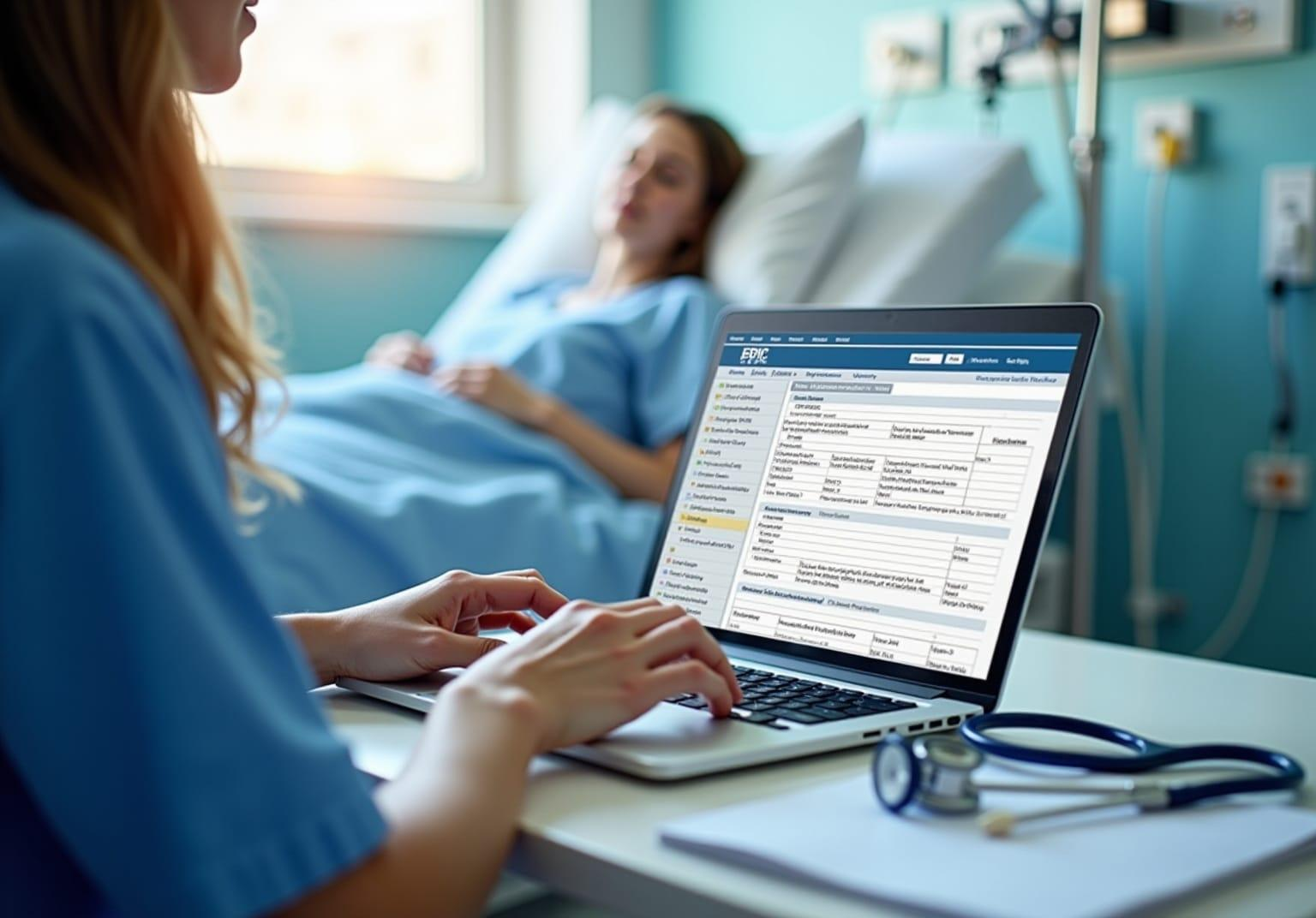
Nursing informatics in 2026 creates a cohesive balance between technology and clinical judgment in nursing. With today’s technology and the future use of Artificial Intelligence in medicine, there is no better time than now to explore the impact of the informatics nurse. AI in healthcare assists nurses in clinical decision-making. By using data sets, they can create safety checkpoints and provide safety guidelines (Miller,2024). Patients and providers can benefit from the use of technology tools. A prime example is being able to provide informational pamphlets or video links regarding a patient’s health condition. Check out the link from the American Stroke Association on stroke recognition. It’s easy for the patient to comprehend the information by using an educational game. (American Stroke Association, 2026).

Information at our fingertips
Nurses who are competent and confident with informatics have all the information they need or want at their fingertips.
Nurses everywhere need knowledge of informatics in their workday to ensure the best possible outcomes for the patients in their care (Miller, 2024).
Definition of Nursing Informatics
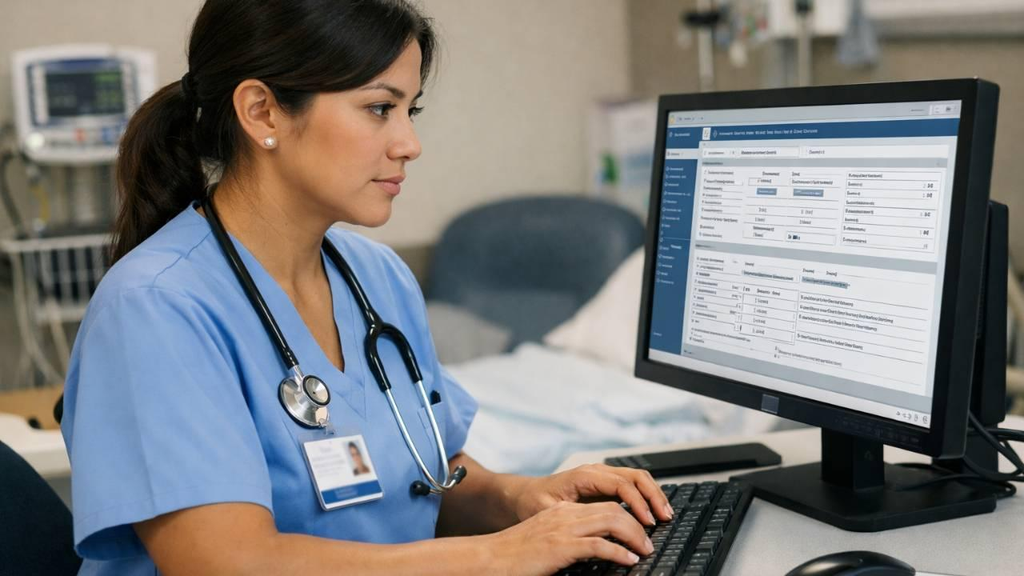
Nursing informatics is an important specialty within nursing that combines nursing science, computer science, and information science to manage and communicate health information. The American Nurses Association (ANA) defines nursing informatics as the integration of nursing science, computer science, and information science to manage and communicate data, information, knowledge, and wisdom in nursing practice.
In clinical nursing practice, nursing informatics involves using technology and health information to support clinical decision-making, improve communication, promote patient safety, and achieve better patient outcomes. Miller (2025) emphasizes the importance of understanding technology, finding and evaluating information, analyzing data, and understanding the roles and responsibilities of informatics nurses.
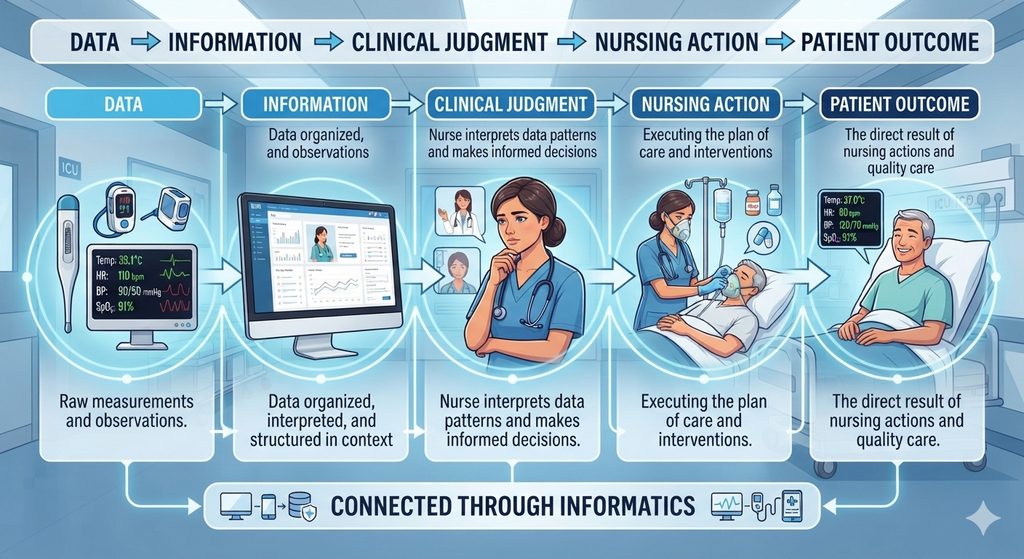
For example, when a nurse assesses a patient, vital signs such as temperature, blood pressure, heart rate, respiratory rate, and oxygen saturation are entered into the electronic health record. The nurse can compare current findings with previous results to identify changes in the patient’s condition. If the patient’s oxygen saturation decreases, the nurse can recognize the change, assess the patient further, implement appropriate interventions, and notify the healthcare provider.
Essential Computer Concepts
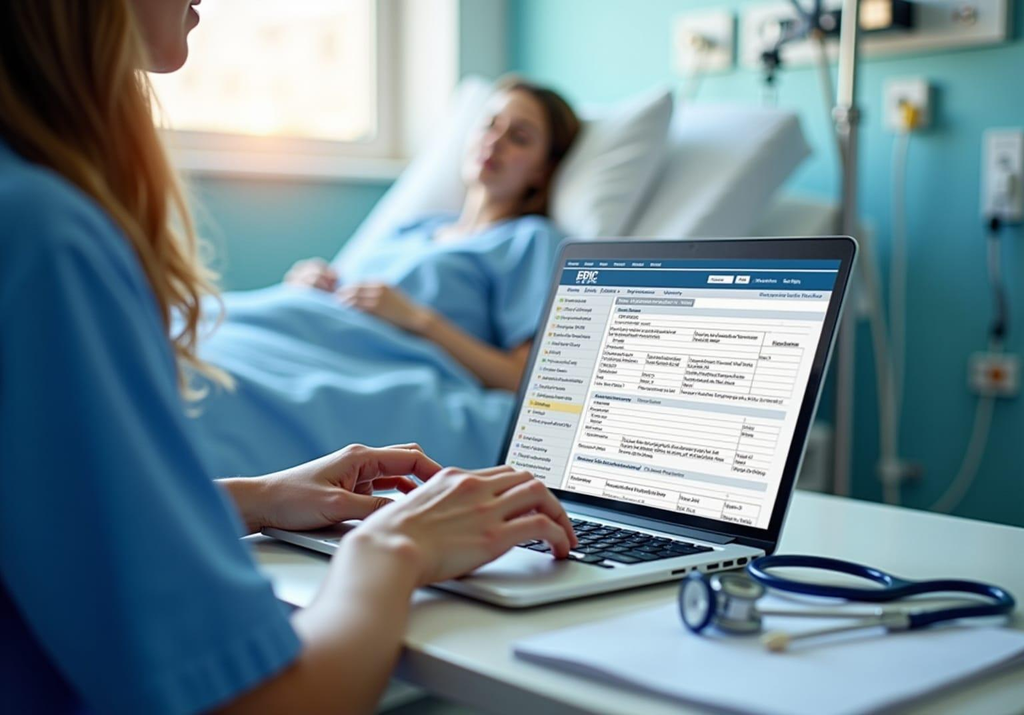
Miller (2025, Ch. 3, pp. 43–56) discusses essential computer concepts that nurses need to understand. In practice, nurses use computers to document assessments, review laboratory results, enter information, communicate with healthcare professionals, and access patient records.
A Clinical Example
Consider a patient admitted to a hospital with pneumonia. The nurse obtains the patient’s vital signs and documents them in the EHR. The patient’s oxygen saturation begins to decrease.
Because the information is documented electronically, the healthcare team can quickly review the patient’s condition. The nurse can recognize the change, notify the provider, implement appropriate nursing interventions, and continue monitoring the patient’s response.
This example demonstrates how data → information → clinical judgment → nursing action → patient outcome are connected through informatics.
Electronic Health Records (EHRs) are a great example of nursing informatics; it provides quick access to patient information, support clinical decision-making, and provide evidence-based care (Taneva et al., 2024). EHRs often come with a catalog of evidence-based information that can be easily printed for patients during their inpatient stay. Education begins at the bedside, which then translates to the home environment
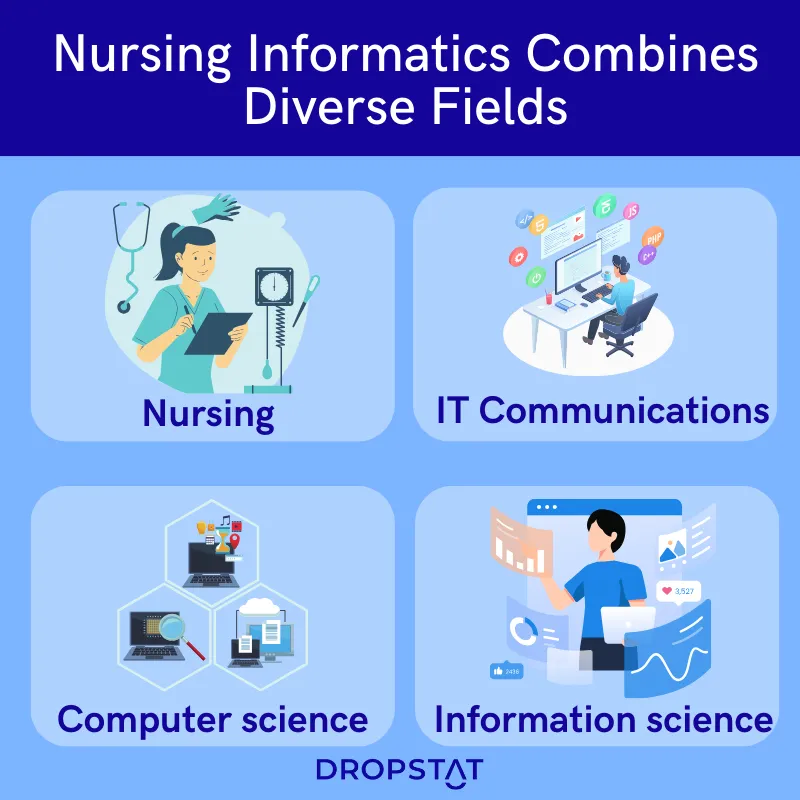
Nursing Informatics is the combination of nursing science and computer science. It helps us manage and communicate information in an effort to streamline the workflow when delivering patient care. Electronic Health Records, Telehealth, Mobile Health Applications and Bar Code Scanning Technology are some examples of Nursing Informatics. These tools allow providers and healthcare facilities to manage large amounts of health data efficiently which in turn, minimizes medical errors and improves communication.
Telehealth and Mobile Health (mHealth) Applications
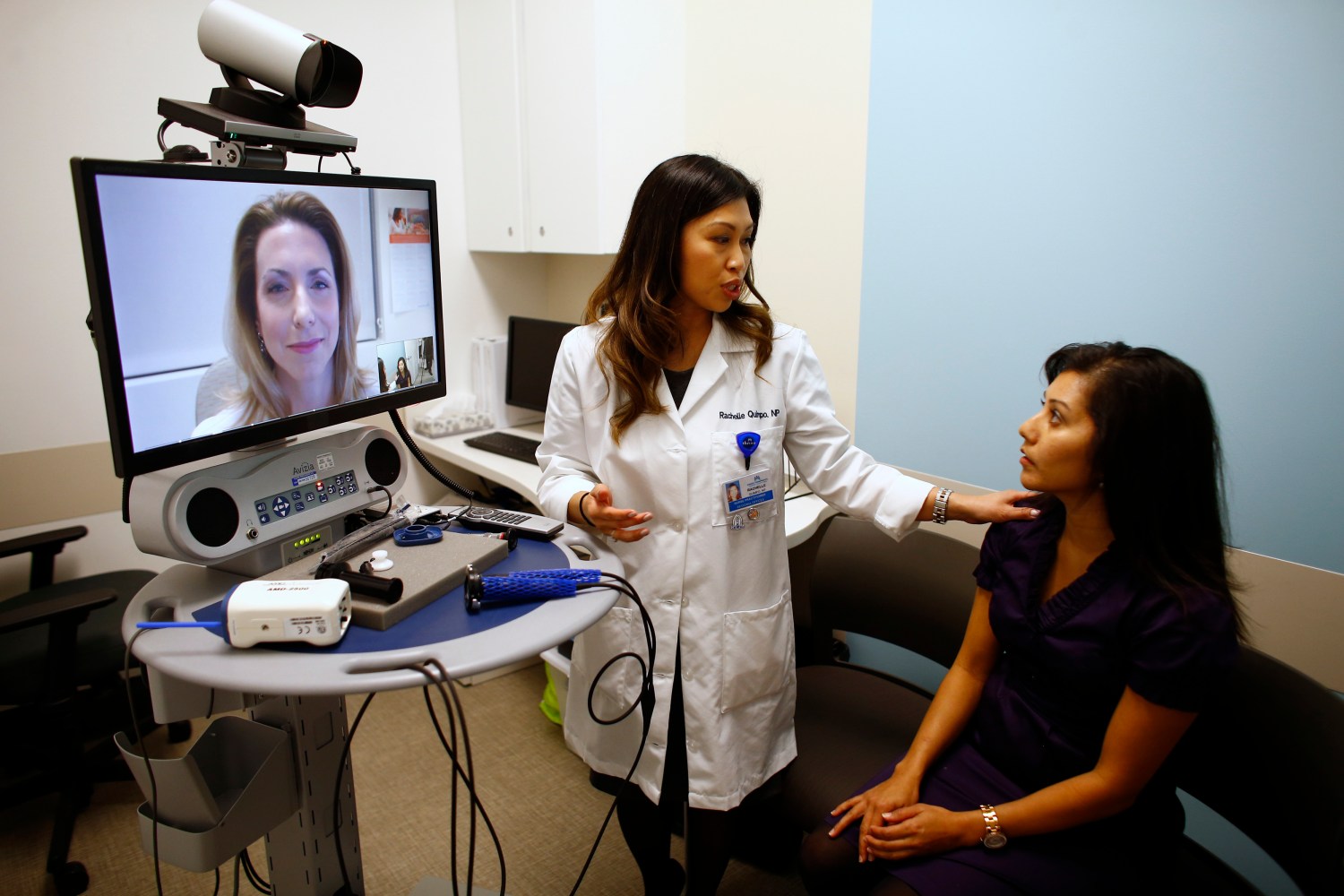
EHR’s form the foundation of inpatient informatics, whereas telehealth and mHealth technologies are the future nursing domain that transcends the boundaries of hospital settings. Telehealth includes the implementation of videoconferencing technologies, remote patient monitoring, and the store-and-forward approach through which nurses are able to assess, teach, and triage patients remotely (Rutledge & Gustin, 2021). Moreover, mobile health technology applications such as smartphone apps, fitness trackers, and Bluetooth-based medical devices offer a consistent stream of patient data, which then enables nurses to identify small shifts in a patient’s status before a crisis arises (Alipour et al., 2025). Examples of these technologies’ application within daily nursing practice are:
Virtual Visits: Nurses may conduct follow-up visits through virtual calls that are encrypted, thus ensuring patients from rural and underserved communities can get their health checks done without having to travel.
Remote Patient Monitoring (RPM): Blood pressure cuffs, pulse oximetry devices, and glucose monitors equipped with Bluetooth technology send live data to the EHR, which can then alert the nurse to any dangerous trends that might appear, such as increasing blood pressure levels or decreasing oxygen saturation levels.
Wearable Technology: Smart watches and fitness devices have the capability to detect irregular heart rhythms, such as atrial fibrillation or sleeping patterns, thus giving information that the nurse can use to change the care plan.
Medication Adherence Apps: Mobile applications remind patients of medication schedules and also enable nurses to monitor whether the doses have been recorded, especially among patients suffering from illnesses like diabetes and heart failure.
Patient Education Portals: There are numerous mobile health applications that offer videos, diet tracking tools, and symptom checklists. These applications can be assigned by the nurse to the patient at discharge to facilitate education from the bedside to the home setting.
Personal Health Records: PHR’s such as MyChart are available for patients to access their medical history, medications and lab results. PHR’s also make communicating between patients and healthcare providers more convenient. Appointments can also be made in these portals.
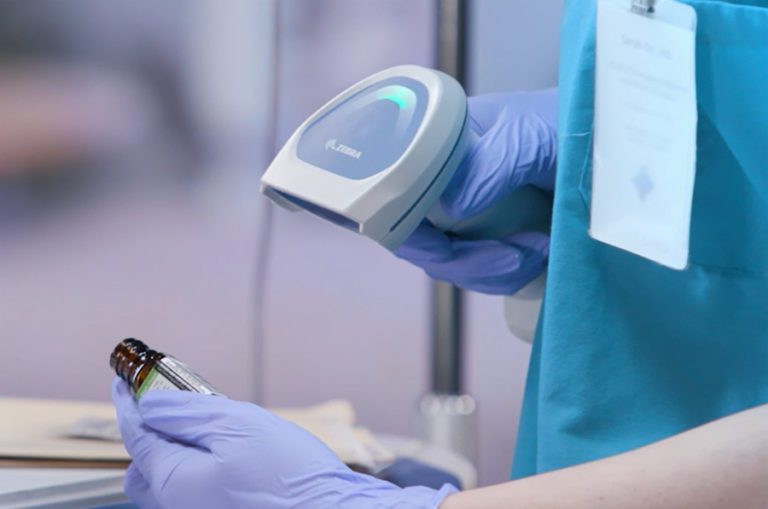
Barcode Medication Administration (BCMA) is a medication safety tool that helps nurses identify and comply with safe medication administration. Nurses apply the 5 rights of medication administration for safety, such as the right medication, right patient, right dose, right route, and right time (Miller,2024). With the addition of barcode medication scanning, there has been a reduction in errors in medication administration since its implementation, therefore improving the safety of patients (Miller,2024). Here is a link published by SimtoGrow, LLC to see how BCMA can improve your workflow and impact patient safety: https://www.youtube.com/watch?v=AA0Yut8vt7s. (Sim2Grow, LLC). #Patientsafety #NursingEducation
Data, Information, Knowledge, and Wisdom
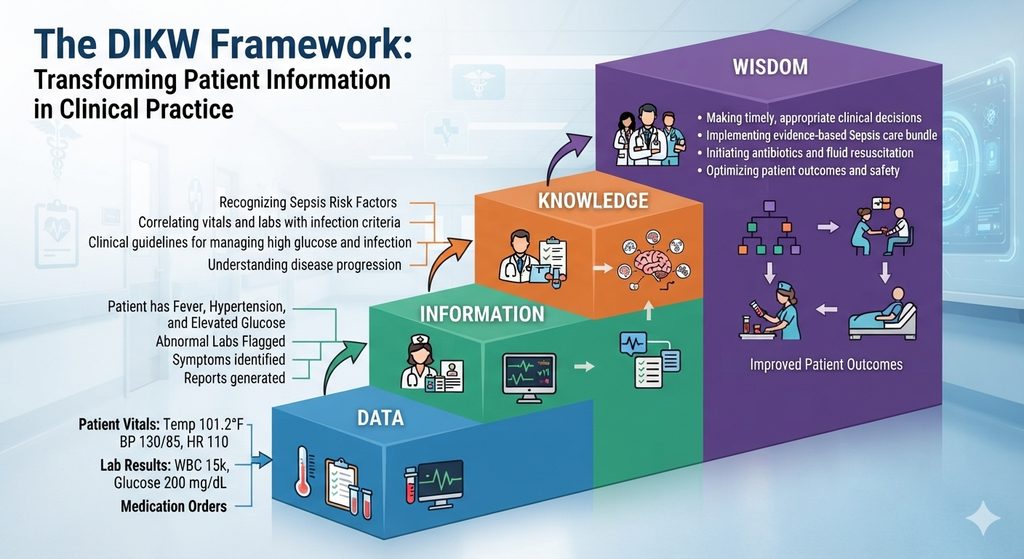
Data: Individual facts or observations collected about a patient.
Information: Data that has been organized and given meaning.
Knowledge: Understanding gained by interpreting information and applying evidence.
Wisdom: Using knowledge and clinical judgment appropriately to make decisions.
Clinical Example
A patient’s temperature is 101.8°F.
- Data: Temperature of 101.8°F.
- Information: The patient’s temperature is above the One important concept in nursing informatics is the relationship between normal range.
- Knowledge: An elevated temperature may be associated with infection or another clinical problem.
- Wisdom: The nurse assesses the patient, reviews other clinical findings, takes appropriate action, and communicates the finding to the healthcare team.
References
Alipour, J., Mehdipour, Y., Zakerabasali, S., & Karimi, A. (2025). Nurses’ perspectives on using mobile health applications in southeastern Iran: Awareness, attitude, and obstacles. PLoS ONE, 20(3), e0316631–e0316631. https://doi.org/10.1371/journal.pone.0316631
American Nursing Association, What is Nursing Informatics, (July 5th,2023), www.nursingworld.org. What Is Nursing Informatics and Why Is It So Important? | ANA
American Stroke Association(n.d.) The B.E. F.A.S.T Experience, (2026,September 09)https://www.stroke.org/en/be-fast-experience
Miller, K. S. (2024). Informatics and Nursing (7th ed.). Wolters KluwerHealth.https://bookshelf.vitalsource.com/books/9781975220693
Rutledge, C., & Gustin, T. (2021). Preparing nurses for roles in telehealth: Now is the time! The Online Journal of Issues in Nursing, 26(1). https://doi.org/10.3912/ojin.vol26no01man03
Sim2Grow (2026, September 9). Barcode Medication Safety In Nursing Simulation, Sim2Grow [Video] YouTube. https://www.youtube.com/watch?v=AA0Yut8vt7s
Taneva, D. I., Gyurova-Kancheva, V. T., Kirkova-Bogdanova, A. G., Paskaleva, D. A., & Zlatanova, Y. T. (2024). Electronic nursing records: importance for nursing and benefits of implementation in health information Systems—A scoping review. Nursing Reports, 14(4), 3585-3605.
[The Learning Studio]. (2026, April 19). Nursing Informatics Explained | Data, Technology & Clinical Decision-Making [Video]. Youtube. https://www.youtube.com/watch?v=M2TvzljkQO0

Leave a Reply
You must be logged in to post a comment.