Hello group 10 i added my part “common nursing informatics applications” with examples and images and sources and also tried to format it to make it more visually appealing
Category: Uncategorized
-
Future Trends: AI & Telehealth
Future Trends: AI & Telehealth
There are two trends that are moving informatics forward. With the COVID-19 pandemic forcing a rapid increase in the number of people receiving care remotely, U.S. physicians went from using telehealth for approximately 15% of their encounters in 2019 to more than 86% in 2021 (see Figure 3), and it has been expanding to provide care beyond the bedside in chronic disease management, triage, and follow-up.
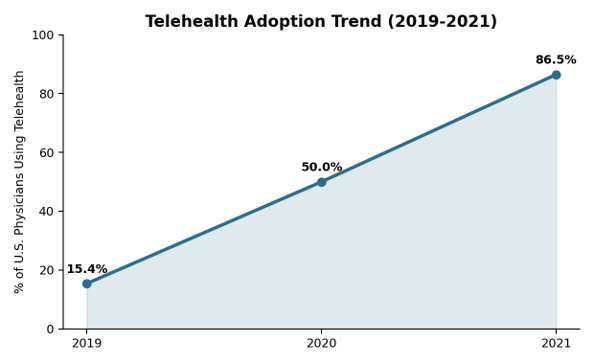
Figure 3. U.S. physician telehealth adoption, 2019–2021 (CrossRiver Therapy, 2026; Magnet ABA, 2025).
The other big change is artificial intelligence – predictive modeling is increasingly being incorporated into EHRs to detect the threat of sepsis, determine fall risks and aid earlier clinical decision-making. For the nurse, it’s a competency that will only become more significant than it is today, and these competencies are listed above with emphasis on interoperability and data security.
- CrossRiver Therapy. (2026). 49 telehealth statistics & telemedicine trends. https://www.crossrivertherapy.com/research/telehealth-statistics
-
Future Trends: AI & Telehealth
Future Trends: AI & Telehealth
There are two trends that are moving informatics forward. With the COVID-19 pandemic forcing a rapid increase in the number of people receiving care remotely, U.S. physicians went from using telehealth for approximately 15% of their encounters in 2019 to more than 86% in 2021 (see Figure 3), and it has been expanding to provide care beyond the bedside in chronic disease management, triage, and follow-up.
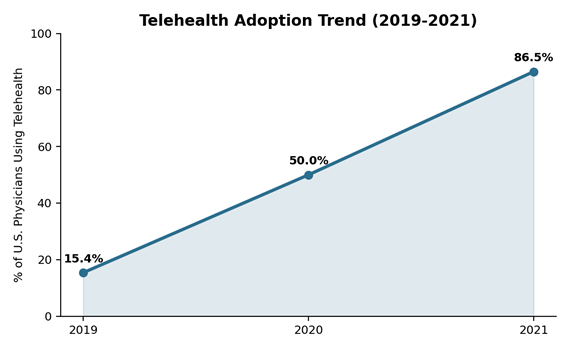
Figure 3. U.S. physician telehealth adoption, 2019–2021 (CrossRiver Therapy, 2026; Magnet ABA, 2025).
The other big change is artificial intelligence – predictive modeling is increasingly being incorporated into EHRs to detect the threat of sepsis, determine fall risks and aid earlier clinical decision-making. For the nurse, it’s a competency that will only become more significant than it is today, and these competencies are listed above with emphasis on interoperability and data security.
References
CrossRiver Therapy. (2026). 49 telehealth statistics & telemedicine trends. https://www.crossrivertherapy.com/research/telehealth-statistics
-
GROUP 11 –Nursing Informatics
Written by Trisha Taylor, — Information that I added to the other post.
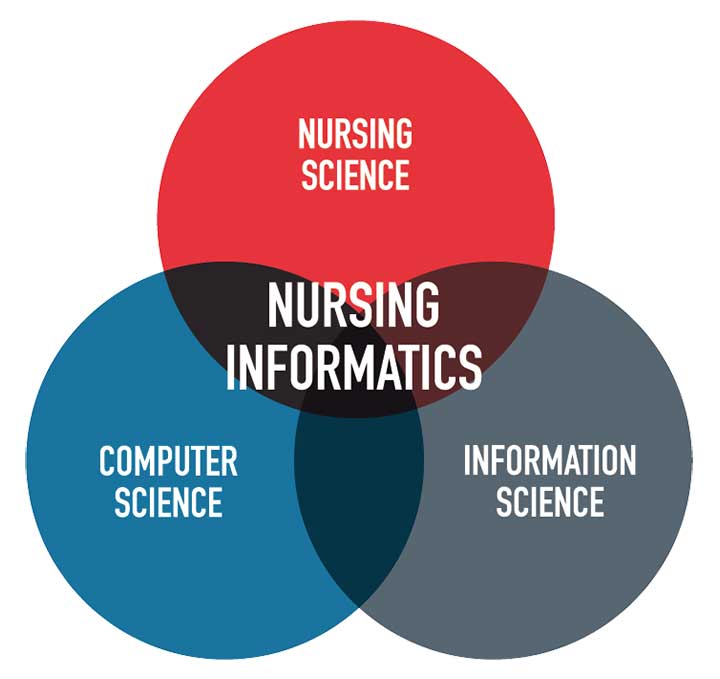
What is Nursing Informatics
Nursing informatics can now be defined as a combination of computer science, information science, and nursing science designed to assist in the management and processing of nursing data, information and knowledge to support the practice of nursing and the delivery of nursing care. (Graves & Corcoran, 1986)
History
The frame work model for nursing informatics (shwirian,1986), was introduced when nursing informatics was defined as having a information based approach.
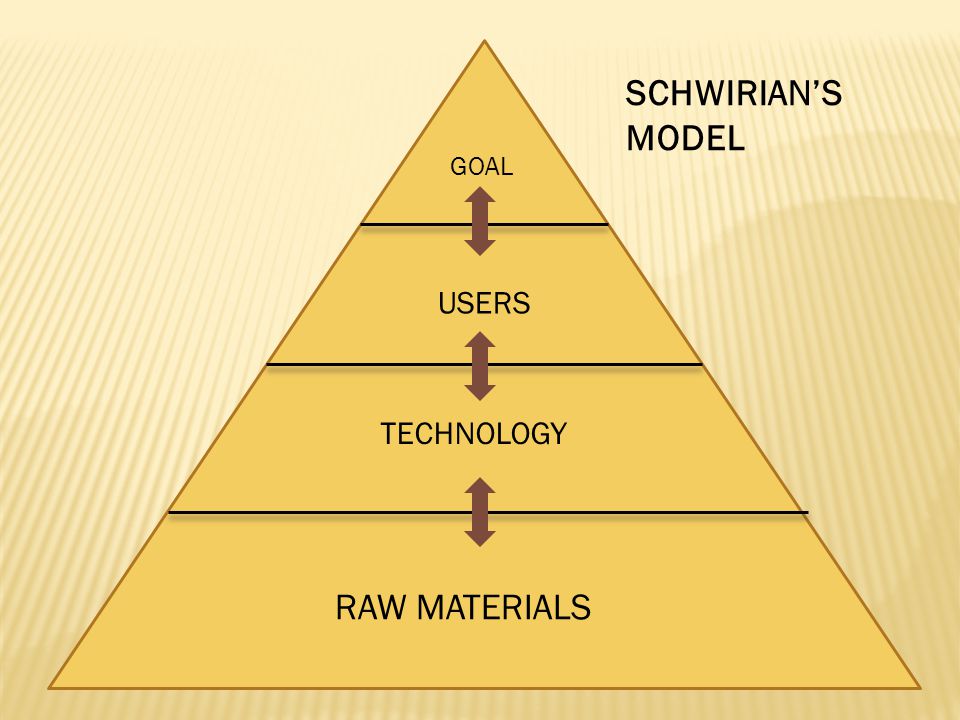
As time moved forward technology and information oriented outlooks combined to form our current definition of nursing informatics( NI).
The American Nurses Association( ANA) recognized the benefit of nursing informatics in 1992.
In 1993 the National Center for Nursing Research set program goals for informatics research , that are still used today.
Technology:
Telehealth
Telehealth is used when a patient and helath team member are unable to complete in person visits. It can also be used for two health team members to communicate on a shared patient. The advancement of technology has created a greater opportunity for telehealth use. The use of telehealth helps to create bridges to better health.
Tele health has been a part of the medical field as early as that 1800’s. One of the first marked examples was back in 1879 when a woman called her doctor with concerns of her baby having croup. The doctor lisened to the child over the phone to provide patient care. (Genes 2018)
During the 1920’s medical advice was provided through the radio to communicate with clinics on ships and in the 1950’s television links were broadcasted.
Fast forward to current times and we are able to provide medical services in two ways. Visits can be complete in an asynchronous manner, where the sender and receiver are within different time frames, or a synchronous visits use same time frame and are done through two-way device communication. Through telehealth medical teams are able to remotely monitor their patients by receiving current data that is transmitted to monitoring centers or healthcare professionals.
Telehealth is used to educate both patients and health care professionals as well. It is imperative that medical professions give patients information on their health and provide ways that they can manage and monitor their own health status. Telehealth can be used to provide educational videos, links for resources,and additional information to improve patients self-management. Health care professionals can also use telehealth for training purposes so that we are able to stay up to date on current medical situations,medicine advancements and more.
There is now a vast amount of technology devises that are used in health care. Medical professionals use robotics to complete surgeries. Portable monitoring devices have input devices connected to peripheral monitoring. Even patients are able to use self-monitoring mobile devices. Patients are able to monitor their own blood pressure, blood sugars, their hearth rates, etc., all through their own vices and within their own environment.
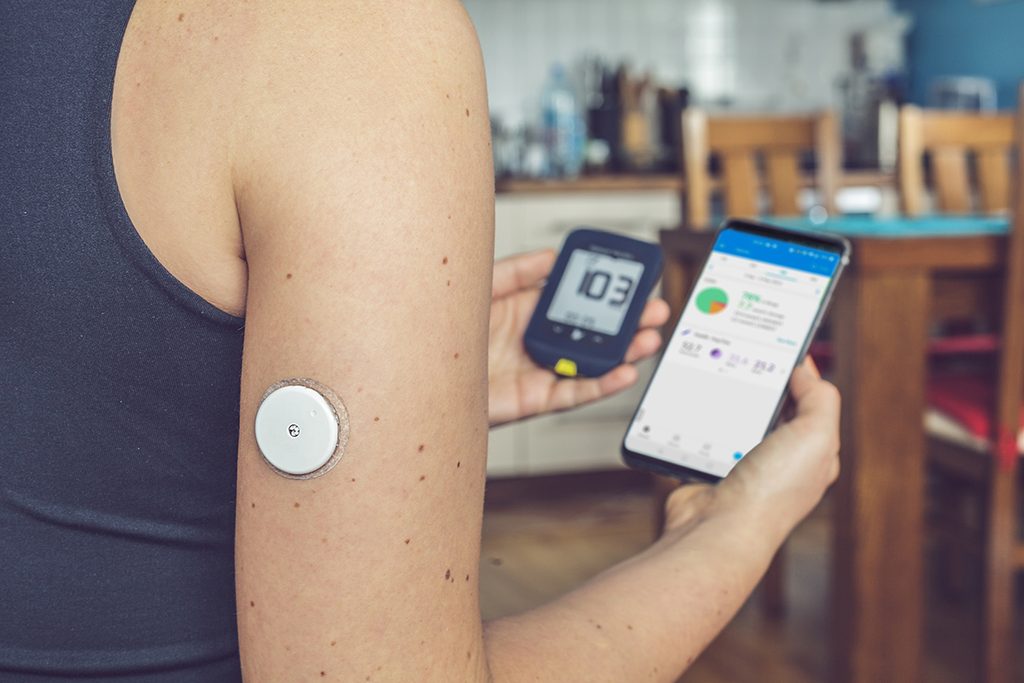
Woman comparing result of glucose level check on the traditional glucometer and on the mobile phone reading from modern technology remote sensor mounted on her forehand Other areas of health that benefit use telehealth are mental health services and intensive care and disaster services.
Follow this link to watch a brief video about telehealth! https://youtu.be/Xgwl9D3lq7c
References
Miller, K.S. (2025). Informatics and Nursing Opportunities and Challenges, (7th ed.) Wolters Kluwer
-
Combining Nursing Science with Information and Analytical Sciences
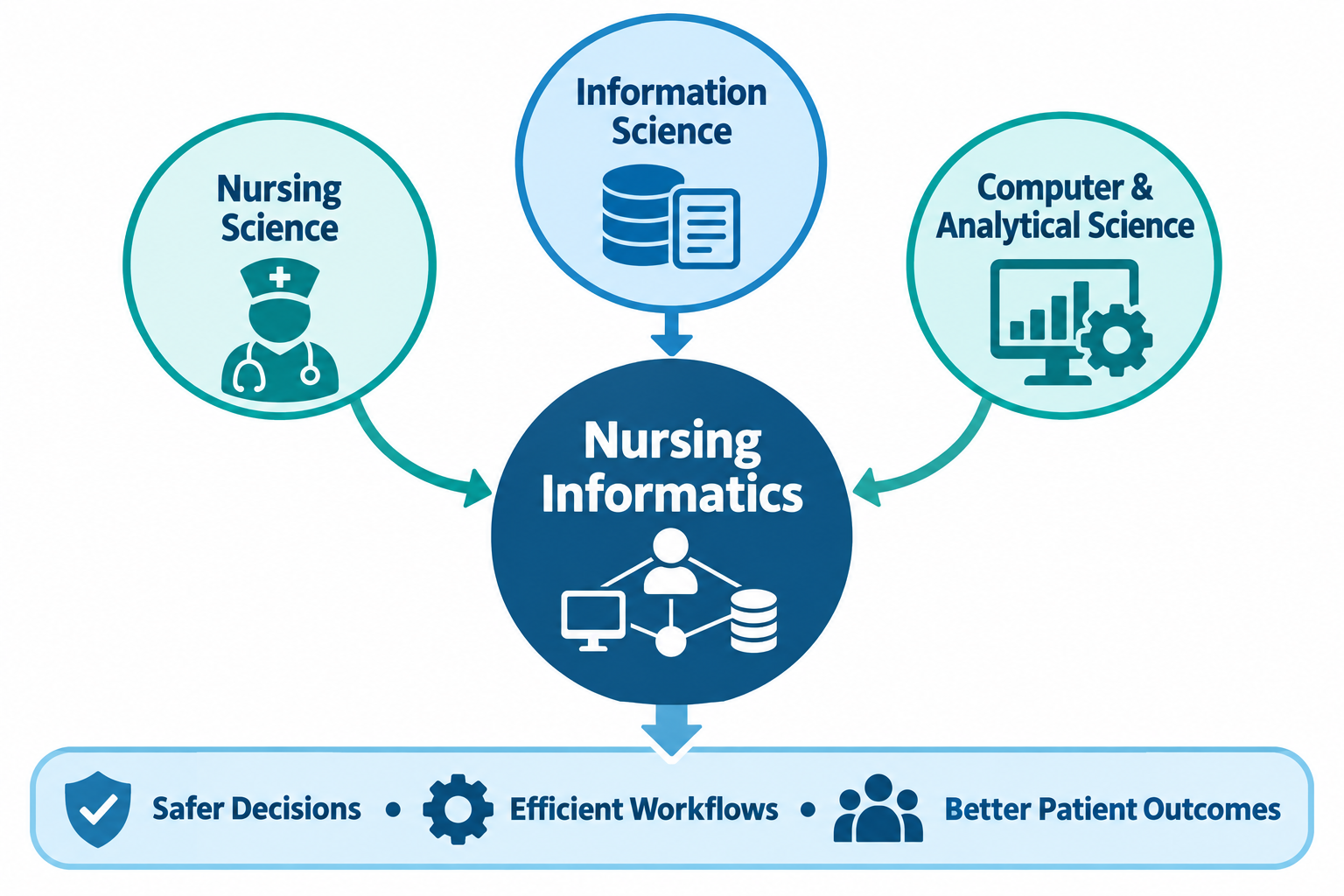
Nursing Informatics brings together nursing science, information science, and computer science and analytical science to support safer decisions, efficient workflows, and better patient outcomes.
- Improves patient safety
- Supports patient involvement
- Stronger interdisciplinary involvement
- Increases access to care
- Better patient education
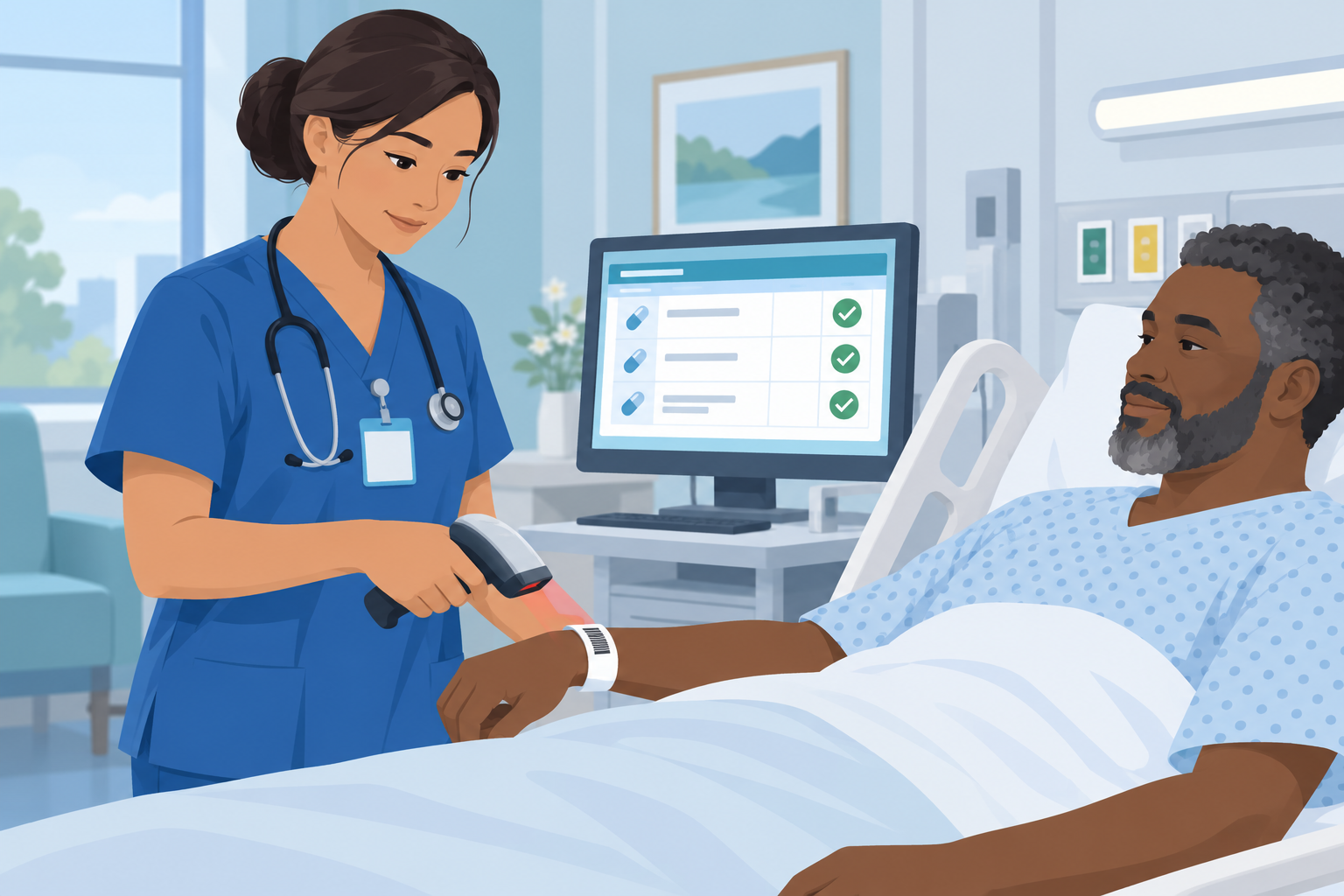
Barcode medication administration combines patient identification data, medication information, and clinical nursing judgment to support medication safety.
- Allergy warnings
- Drug interaction alerts
- Reduces medication errors
- Improves documentation
- Increases accountability
-
Interdisciplinary Organizations and Workgroups for Nurses
Healthcare Information and Management Systems Society (HIMSS) Founded in 1961
Not-for-profit organization dedicated to promoting a better understanding of healthcare information and management systems. It also supports free access to the Online Journal of Nursing Informatics.
European Federation for Medical Informatics (EFMI) Founded in 1976
Formed to advance international cooperation and dissemination in medical informatics and to support European nurses and nursing informatics as well as to build informatics contact networks.
International Medical Informatics Association (IMIA) Established in 1967
A nonpolitical, international, scientific organization whose goals include promoting informatics in healthcare, promoting biomedical research, advancing international cooperation, stimulating informatics research and education, and exchanging information.
Many countries belong to the (IMIA), and they meet to focus on issues pertaining to their nations to allow them to establish a national network where ideas can be shared and provide a place to gain information for specific national problems.
American Health Information Management Association (AHIMA) Formed in 1928
Created to improve clinical records and empower people to impact health while offering credentialing programs in health information management, coding, and healthcare privacy and security.
American Medical Informatics Association (AMIA) Formed in 1988
Created to support the development and application of medical informatics to support patient care, education, research, and administration while offering continuing education, annual conferences, a clinical informatics board review course for physicians.
Reference
Miller, K.S. (2025). Informatics and Nursing Opportunities and Challenges, (7th ed.) Wolters Kluwer
-
Nursing Informatics
Sample Wiki Page & Instructions:
- Utilizing the material covered in Modules 1-3, work with members of your team to create a “definition” page about nursing informatics which applies to clinical nursing practice.
- Pages should include informational content, real-world examples, images and links to additional resources. Review the assignment rubric for grading criteria.
- Sources may include your textbook, websites, videos, journal articles, etc.
- Cite your sources within the page and include a reference list at the end of the Wiki for all sources used in APA (7th ed.) format.
Group Assignments:
- Group 1: Sahra, Freda, Leslie A, Candace, Mariah B, Allison B, Kesha
- Group 2: Katherine, Amy, Megan B, Ahlam, Brittnae, Arianna, Raven
- Group 3: Tatyana , Lisa C, Sara C, Daniel , Chelsey D, Ellen , Destiny
- Group 4: Eriane, Oluwanifemi, Maysoon, Megan F, Katie G, Megan G, Tanika
- Group 5: Mickayla, Rylie H, Uniquia, Lambranee, Ashley J, DeShai
- Group 6: Miranda, Kenadee, Emily K, Cheryl K, Ashley K, Brittney L
- Group 7: Maria L, Ashley L, Sadie L, Jessica L, Cooper, Ashley L
- Group 8: Jenin, Shayla M, Aaron M, Lovely, Rileigh M, Terriauna
- Group 9: Carol N, Megan N, Benjamin, Kenneth, Nicole P, Lesly R
- Group 10: Bryanna R, Ashley R, Katy R, Sasha, Edwin, Hollie
- Group 11: Dave, Sophia S, Hebba, Terry S, Megan T, Trisha T
- Group 12: Lauren T, Shena, Katey W, Larissa, Ja’Naya, Caitlyn W
Tutorials & Instructions:
- Click on the link above for your assigned group.
- Click the red “Edit” button above the content area to edit your page.
- Then click the blue “+” sign in the upper left screen corner to open the editing menu with options to add headings, paragraphs, lists, images, videos, and more.
- The toolbar ribbon at the top of the screen also includes editing options such as adding “bold” text or creating links to websites or other content.
- The window icon next to the blue “Save” button in the upper right corner of your screen will also open options for Block editing to update font size, color, and more.
- Watch the tutorial video below and click on the Student Sandbox link to practice adding or editing content without having to worry about making mistakes.
- Be sure to save your changes before leaving the wiki page.