Group 11 Members: Dave, Sophia S, Hebba, Terry S, Megan T, Trisha T
What is Nursing Informatics
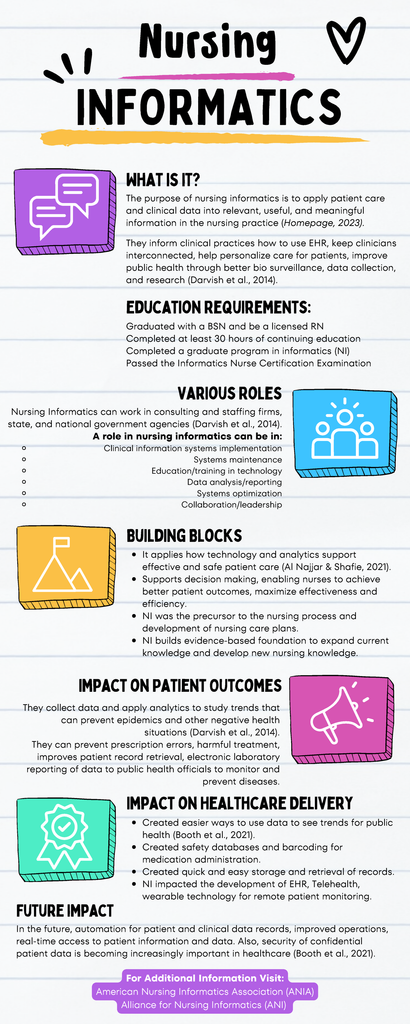
The American Nurses Association (ANA) defines nursing informatics as the implementation of nursing science, computer science and information science to manage and communicate data, information and knowledge to improve patient care for both patients and medical professionals (ANE, 2024). Nursing informatics is an essential component of the nursing profession and is used in nursing practice everyday. In simple terms, nursing informatics is the use of technology and information systems to support nursing practice and patient care. Nursing informatics includes collecting and managing patient information and data, as well as documentation, to support nursing practice and improve patient care (Miller, 2025).
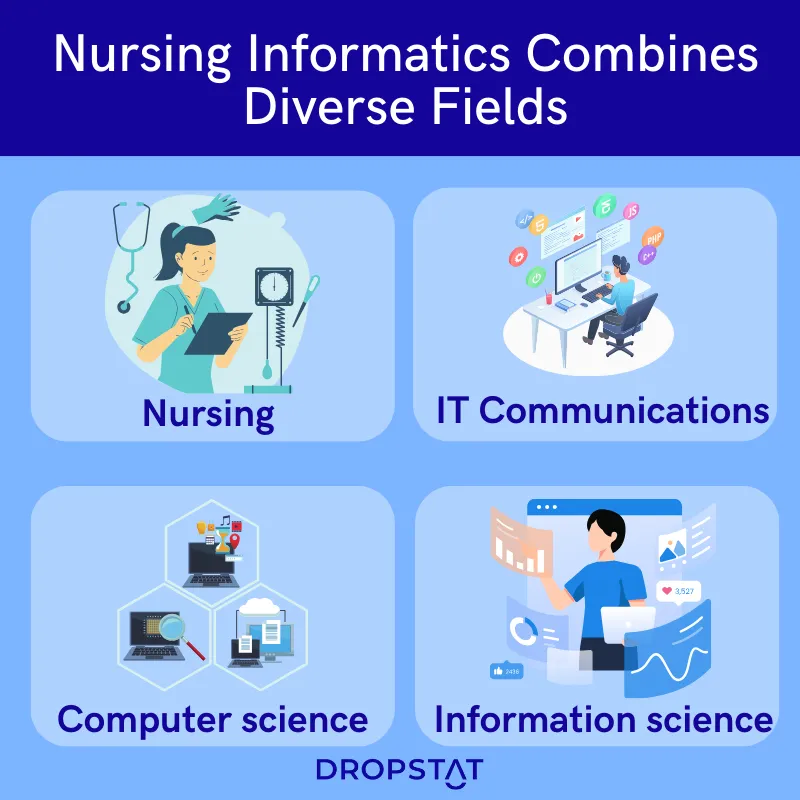
Importance of Nursing Informatics
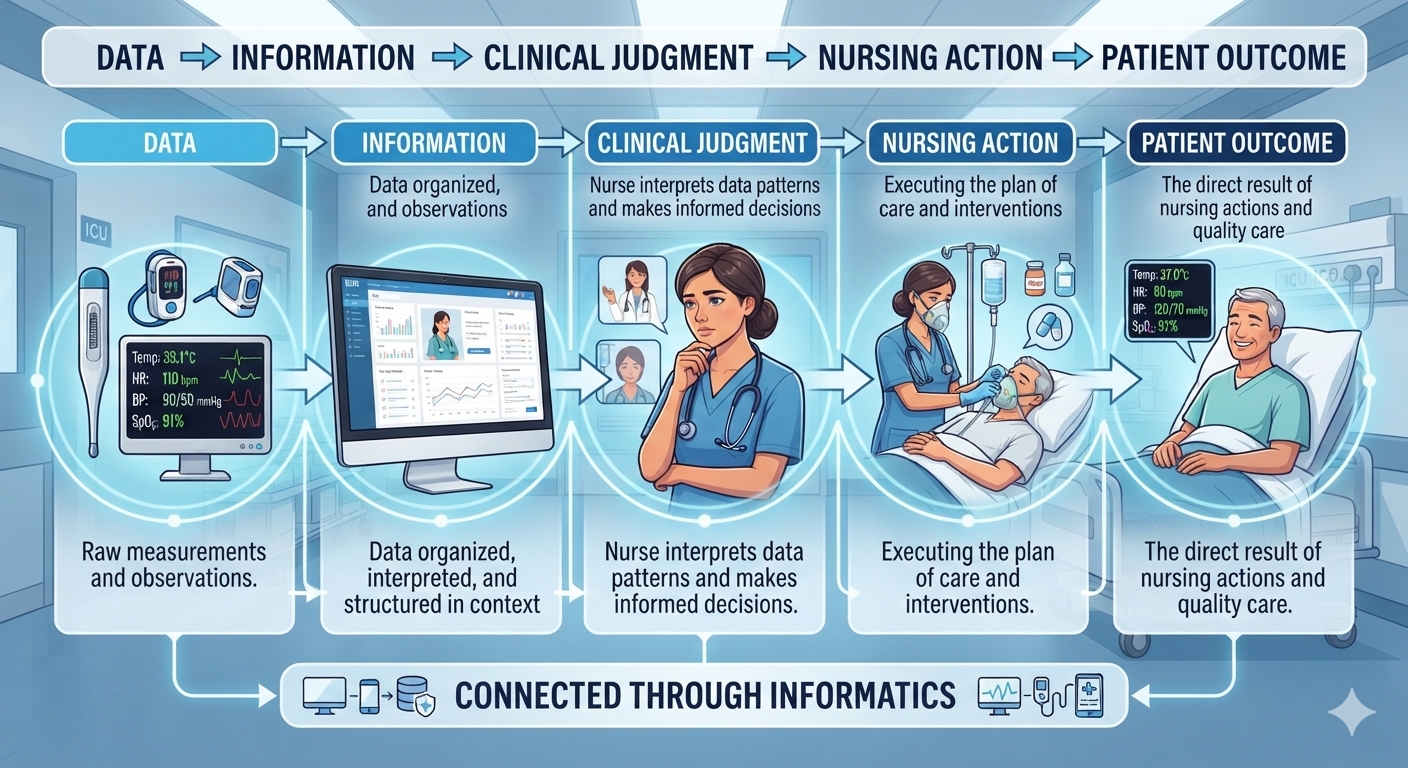
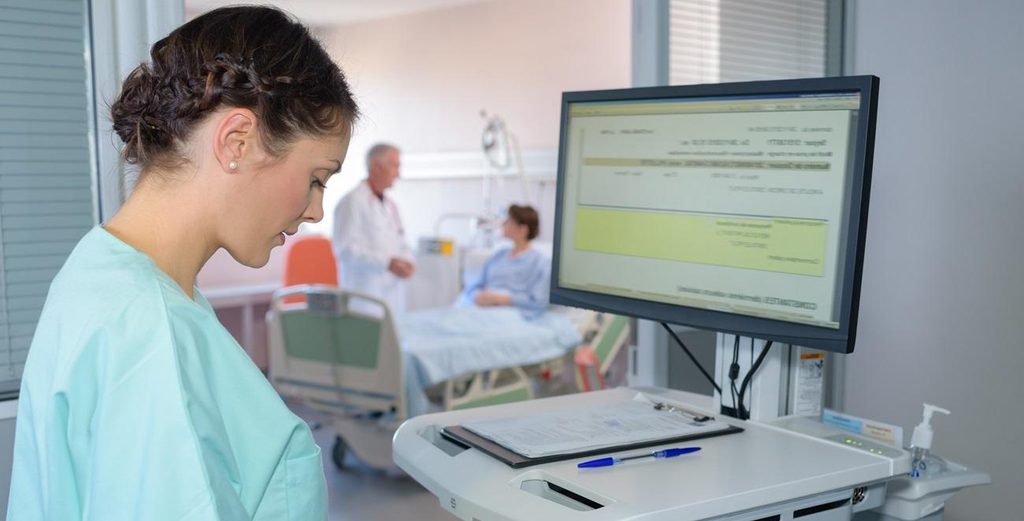
The utilization of nursing informatics can enhance medical care and improve patient outcomes in several ways. The implementation of electronic health records (EHRs) can optimize patient safety and reduce the risk of medical errors. Nursing informatics also supports the assessment and documentation of trends by analyzing clinical data, such as laboratory results and vital signs when monitoring for changes in patient status. Having timely access to patient data is especially important in healthcare settings with large patient populations, as it allows nurses and other healthcare professionals to make informed decisions more efficiently. Additionally, nursing informatics aids in the use of Telehealth, providing more accessible healthcare options during situations such as the COVID-19 pandemic and for patient populations who may have difficulty accessing transportation. (ANE, 2024)
Collected data from electronic health records can play a vital role in patient outcomes. (Miller, 2025)
This data can include:
- Vital signs
- Test results
- Lab values
- Medication orders
This information allows the view of trending results such as the lab values, medication administration and vital signs. (Miller, 2025)
History
The frame work model for nursing informatics (shwirian,1986), was introduced when nursing informatics was defined as having a information based approach.
As time moved forward technology and information oriented outlooks combined to form our current definition of nursing informatics( NI).
The American Nurses Association( ANA) recognized the benefit of nursing informatics in 1992.
In 1993 the National Center for Nursing Research set program goals for informatics research , that are still used today.
The Transition to Electronic Records
Computer technology was developed in the 1960’s where the development of the first EHR made its debut at the Mayo Clinic. In the 1960’s this system was know as a “clinical information system”. (Miller, 2025) The adoption of EHR continues to grow, as the use of health information technology, which improves patient outcomes by changing the way patient care is being conducted. (Miller, 2025)
Telehealth
Telehealth is used when a patient and health team member are unable to complete in person visits. It can also be used for two health team members to communicate on a shared patient. The advancement of technology has created a greater opportunity for telehealth use. The use of telehealth helps to create bridges to better health.
Tele health has been a part of the medical field as early as that 1800’s. One of the first marked examples was back in 1879 when a woman called her doctor with concerns of her baby having croup. The doctor lisened to the child over the phone to provide patient care. (Genes 2018)
During the 1920’s medical advice was provided through the radio to communicate with clinics on ships and in the 1950’s television links were broadcasted.
Fast forward to current times and we are able to provide medical services in two ways. Visits can be complete in an asynchronous manner, where the sender and receiver are within different time frames, or a synchronous visits use same time frame and are done through two-way device communication. Through telehealth medical teams are able to remotely monitor their patients by receiving current data that is transmitted to monitoring centers or healthcare professionals.
Telehealth is used to educate both patients and health care professionals as well. It is imperative that medical professions give patients information on their health and provide ways that they can manage and monitor their own health status. Telehealth can be used to provide educational videos, links for resources,and additional information to improve patients self-management. Health care professionals can also use telehealth for training purposes so that we are able to stay up to date on current medical situations,medicine advancements and more.
There is now a vast amount of technology devises that are used in health care. Medical professionals use robotics to complete surgeries. Portable monitoring devices have input devices connected to peripheral monitoring. Even patients are able to use self-monitoring mobile devices. Patients are able to monitor their own blood pressure, blood sugars, their hearth rates, etc., all through their own vices and within their own environment.
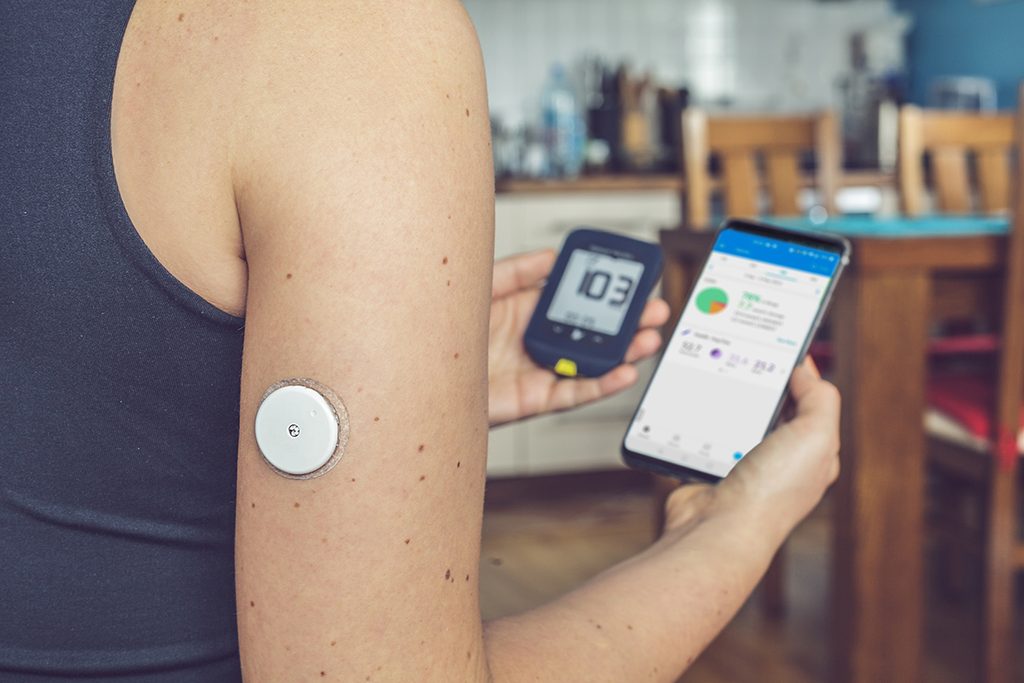
Other areas of health that benefit from the use telehealth are mental health , intensive care and during times of disaster .
Follow this link to watch a brief video about telehealth! https://youtu.be/Xgwl9D3lq7c
Schwirian’s Model of Informatics. (Adapted from Schwiran P. 1986)
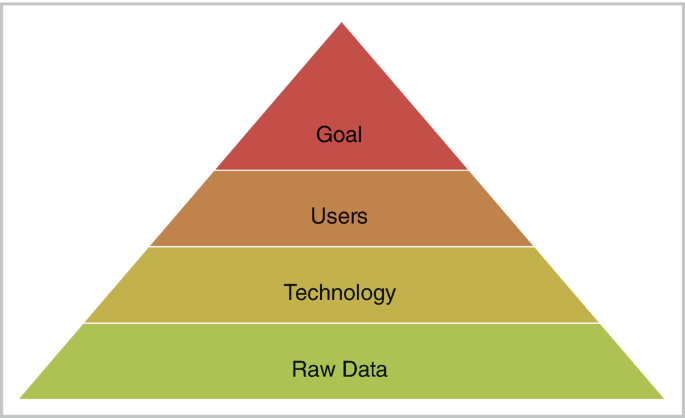
The base of the pyramid model uses “Raw Data” or the information. Examples being, patient assessment, nursing interventions, nursing diagnoses, and clinical judgment. The “Technology” focuses on the information that is collected, organized, stored, received and communicated. An example being, patient information in the electronic health record (EHR). The “Users” are the people who interact with the information and technology. This includes nurses, providers, and patients. The “Goal” is the desired outcome or purpose of using the data and technology. Examples being, improved patient safety, better clinical decision-making and improved quality of care. Overall, the pyramid model demonstrates how raw data, technology, and users work together to achieve desired outcomes in healthcare (Miller, 2025). By effectively using technology to mange patient information, nurses can make informed clinical decisions, improve patient safety, and provide higher-quality patient care.
Nursing Informatics Overview
For more information on nursing informatics, you can follow the links below:
https://www.nursingworld.org/content-hub/resources/nursing-resources/nursing-informatics
https://www.himss.org/resources/what-nursing-informatics
More on Nursing Informatics:
Code of ethics: statements of professionals’ values and beliefs that are based on ethical principles
code of ethics nurses: addresses issues that concern acting on behalf of the patient’s interest, privacy, and confidentiality. In relation to nursing informatics, it provides general statements that could be useful when addressing conflicts or dilemmas in interactions with others resulting from the creation of access to, and or disposition of electronic health information data.
computer literacy: the ability to perform various tasks with a computer efficiently
Healthcare information technology: information technology used specifically for healthcare; involves the processing, storage, and exchange of health information in an electronic environment
Informatics: application of information technology to the arts and sciences
Informatics nurse: a nurse who enters the nursing informatics field because of interest or experience
information literacy: the ability to know when one needs information and how to locate, evaluate, and effectively use it
information technology: use of electron systems like computers or telecommunications for storing, retrieving, and sending information
interoperability: ability of two or more systems to pass information between them and to use the exchanged information
nursing informatics: specialty of nursing that focuses on managing information pertaining to nursing; nursing specialty that transforms data into information and uses technology to improve patient outcomes
Quality and Safety Education for nurses: initiative aimed at improving nurses’ education to deliver safe and quality care and now incorporated into the AACN essentials of nursing
technology informatics guiding education reform: initiative aimed at providing the global health workforce with initiative informatics tools and resources and to integrate informatics into healthcare education, certification, practice, and research through and equitable, inclusive, interdisciplinary, and intergenerational approach
chaos theory: a theory that deals with the differences in outcomes depending on conditions at the starting point
cognitive science: the study of the human mind and intelligence and how information can be applied
data: discrete objective facts that have not been interpreted
data, information, knowledge, and wisdom model: facilitates the management and communication of nursing information within the field of healthcare with a focus on nursing actions and interventions
general system theory: a method of thinking about complex structures such as an information system or an organization
informatics nurse specialist: a nurse with either a graduate education degree in nursing informatics or a field related to informatics who has successfully passed an American Nurses Credentialing and Center specialty certification exam
information: data that have context, that is some type of interpretation or structure
knowledge: the combination of things learned and skills developed over time
Lewin’s field theory: a theory identified by Kurt Lewin that provides a guide for helping individuals achieve a positive decision related to an innovation change
Rogers’ diffusion of innovation theory: theory that examines the pattern of acceptance that innovation follow as they spread across the population
social informatics: a good design is based on an understanding of how people work and the context of the work, not just technologic considerations
sociotechnical theory: focuses on the impact of technology’s implementation on an organization
superuser: an individual identified to assist in the computer system building and testing
tacit knowledge: knowledge that is difficult to share with others in written or verbal formats
wisdom: a component of nursing informatics theory that is achieved through evaluating knowledge with reflection
References:
American Nurses Association. (2023, July 5). What is nursing informatics? https://www.nursingworld.org/content-hub/resources/nursing-resources/nursing-informatics
American Nurses Association. (2024, February 19). What is Nursing Informatics and why is it so important?https://www.nursingworld.org/content-hub/resources/nursing-resources/nursing-informatics/
Healthcare Information and Management Systems Society. (2019, July 3). What is nursing informatics?https://www.himss.org/resources/what-nursing-informatics
Miller, K. S. (2025). Informatics and Nursing: Opportunities and Challenges. Lippincott Williams & Wilkins.
Nishat. (2022, January 4). How remote patient monitoring can improve health outcomes for people with diabetes. Open Access Government. https://www.openaccessgovernment.org/remote-patient-monitoring-diabetes/126112/
Nursing Informatics. (2020, November 12). Nursing informatics overview [Video]. YouTube. https://www.youtube.com/watch?v=ub1ScYHH3GE
The Learning Studio. (n.d.). Telehealth explained/How digital healthcare is changing nursing [Video]. YouTube. https://www.youtube.com/watch?v=Xgwl9D3lq7c
Attachments
| File | Size | Added |
|---|---|---|
| Woman,Comparing,Result,Of,Glucose,Level,Check,On,The,Traditional | 628 KB | Sep 13, 2026 |
| Informatics | 2 MB | Sep 10, 2026 |
| Informatics | 2 MB | Sep 10, 2026 |
| image | 44 KB | Sep 10, 2026 |
| informatics venn diagram | 29 KB | Sep 9, 2026 |
| informatics venn diagram | 29 KB | Sep 9, 2026 |
Leave a Reply
You must be logged in to post a comment.