YSU Nursing Wiki

Archives: Wiki Pages

  • Group 3 Wiki: Atinuke, Barbara, Sharonda, Dominik, Yavawn, Dunia

    Group 3 Members: Atinuke, Barbara, Sharonda, Dominik, Yavawn, Dunia

    Please use this page to add your content, images, videos, links to additional content, and reference section.
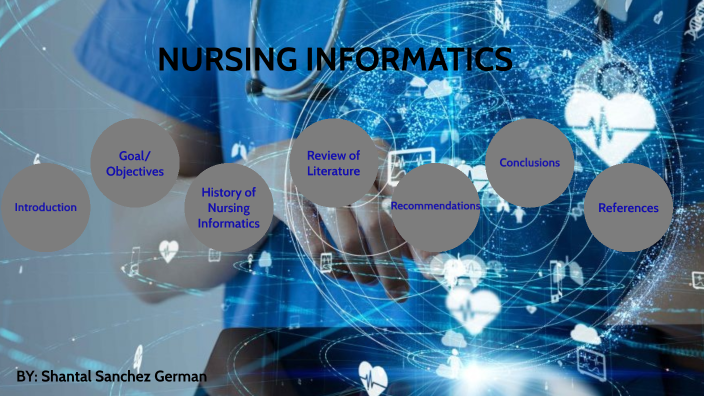
    What is Nursing Informatics?

    • Informatics is the application of informatic technology (electronic systems) to the specialties of science and art. This means that nursing informatics is specific to healthcare itself (Miller, 2025).
    • It integrates the use of technology, such as computers, to manage and communicate data, information, and knowledge in nursing practice. It helps nurses make informed decisions to improve patient care and safety (Miller, 2025).

    Why is Nursing Informatics Important?

    • Improved patient safety
    • Provides communication access to other healthcare workers
    • Enhances the quality of patient care
    • Support evidence- base practice through access to current research and clinical guidelines

    Application of Nursing Informatics to Clinical Practice:

    4 Informatics Examples and Applications

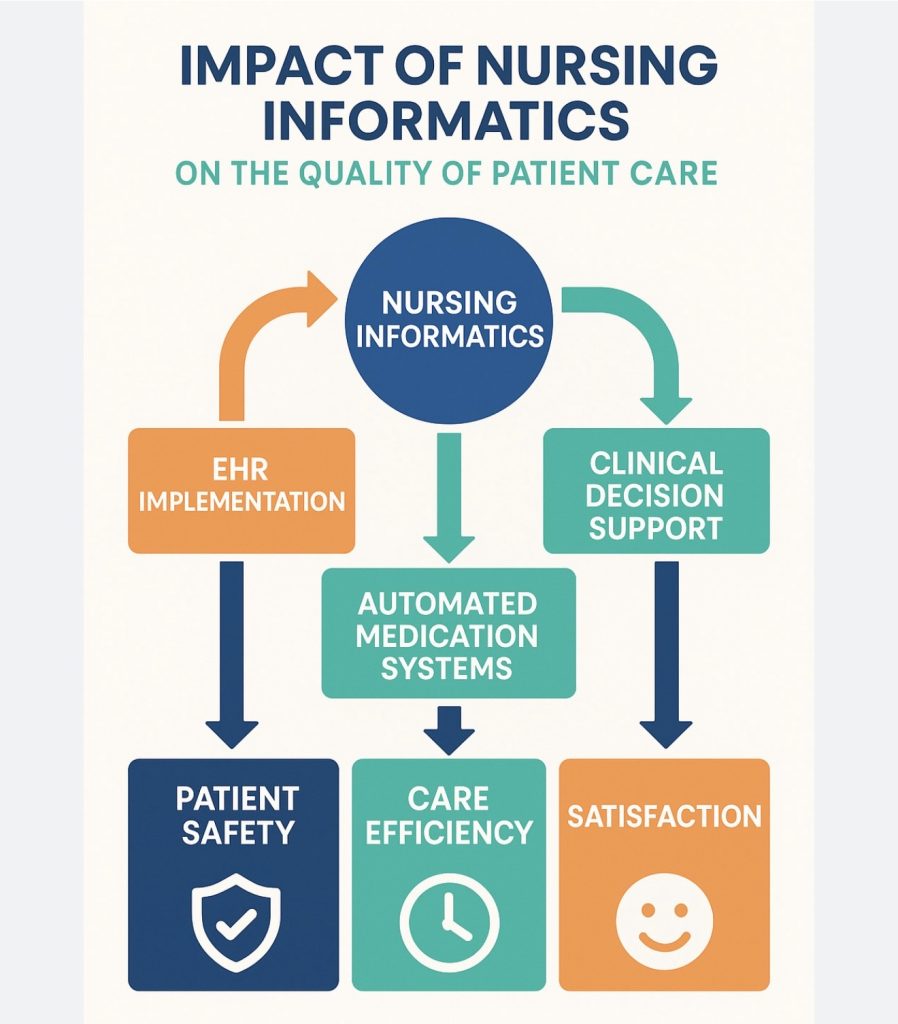
    • An example of nursing informatics being used in the hospital setting is when nurses use the electronic health record (EHR) to collect and manage patient information. Nurses can document their findings and read through inpatient/ outpatient notes. Orders can be reviewed and communication can occur with other healthcare professionals.
    • Clinical Decision Support systems deliver evidence based guidelines and automated patient alerts directly at bedside to minimize medical errors and to enhance clinical decision-making. CDSS offer multiple benefits that support nursing practice while improving patient care. For medication safety CDSS technology can generate alerts and reminders for medication based on the patient specific data. These alerts include drug interactions, medication allergies, dosage adjustments, and medication allergies. (Mielke,2025)
    • Telemedicine and Telehealth systems expand care access via remote patient monitoring virtual check-ins, and digital health tracking. Telemedicine focuses on clinical diagnosis and treatment. Telehealth encompasses several services including remote monitoring, patient education, and virtual consultations. Wearable technology and remote patient monitoring. Virtual health care optimizes resources by reducing unnecessary hospital visits and emergency room admissions. Both services provide secure and real-time video consultations. (Mielke,2025)
    • Wearable Technology and Remote Patient Monitoring systems are devices that patients wear and the tech sends data to their provider for remote monitoring and analysis. Wearable health transfers can monitor vital signs, heart rate, blood pressure, respiratory rate, and oxygen saturation. Glucose monitoring enables patients with diabetes. Benefits are timely interventions, patient self-management, and reduces hospital visits. (Mielke, 2025)

    Nursing Informatics, Data Analysis, and Evidenced-Based Practice

    • Nursing informatics supports clinical practice by helping nurses collect, organize, and interpret patient data.
    • Nurses are responsible for staying current in clinical practice by using evidence-based research and reliable professional resources.
    • Nurses can maintain current knowledge by reviewing research literature, professional journals, clinical practice guidelines, continuing education, quality improvement projects, and professional networking.
    • Informatics supports evidence-based practice by helping nurses access current research, electronic resources, guidelines, and patient education tools.
    • In clinical practice, nurses combine patient data, nursing judgment, and evidence-based information to make safe decisions.
    • Examples include reviewing blood pressure trends, monitoring abnormal lab results, using clinical decision support alerts, and applying evidence-based triage protocols.

    Reliable Nursing Research Databases
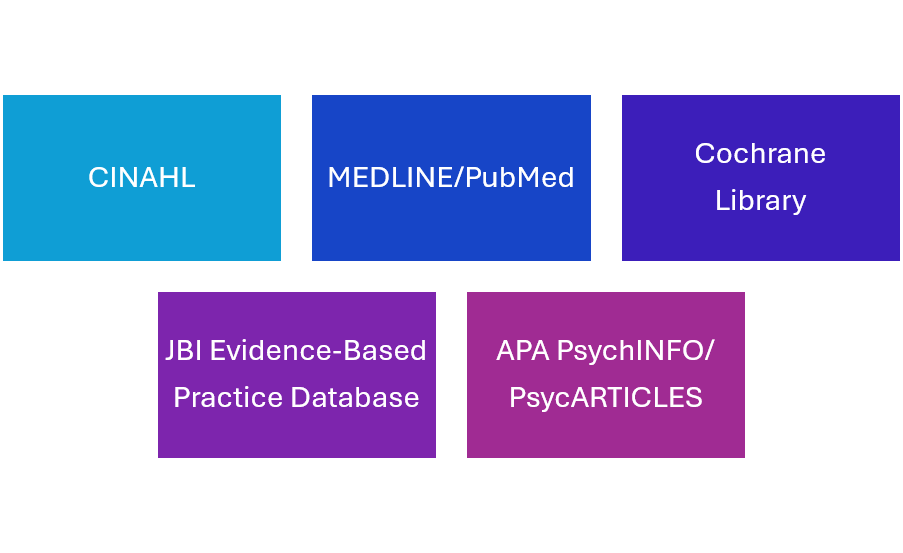
    (Miller, 2025)

    Social media is one of the key forms of communication and education for nursing informatics. Social media platforms are used by nurses to gain access to research-based resources, engage in professional educational practices, interact with other nurses, and spread health-related content. Social media can be used responsibly for professional development, according to previous research (Rukavina et al., 2021).

    • Contributes to improved communications and collaboration between nurses and other healthcare professionals and speedy availability of evidence-based studies and clinical guidelines (Rukavina et al., 2021).
    • Assists in educating patients on health information and preventing diseases.
    • Contributes to nurses being updated about healthcare innovations and membership in professional associations and online communities (Rukavina et al., 2021).
    • Publishing patient information is a breach of the patient’s privacy and confidentiality laws like the HIPPA.
    • The dissemination of false or unverified health information can be detrimental to the patient’s treatment (Robert et al., 2024).
    • The nurse’s professionalism may be compromised by engaging in improper activities online.
    • The acceptance of friend requests or communication through personal social networking sites with the patient may result in mixing up the lines of professionalism.
    • Information posted online stays online forever, even if deleted (Robert et al., 2024).
    • Protect patient confidentiality by never sharing identifiable patient information.
    • Follow employer policies and professional guidelines regarding social media use.
    • Verify the accuracy of health information before posting or sharing it.
    • Maintain professional boundaries when interacting with patients online.
    • Use social media to promote evidence-based practice, health education, and professional collaboration.

    Additional Links

    https://www.hipaajournal.com/hipaa-social-media

    https://www.hhs.gov/hipaa/for-individuals/guidance-materials-for-consumers/index.html

    Artificial Intelligence (AI) in Nursing Informatics

    Artificial intelligence (AI) is becoming an important tool in healthcare and nursing informatics. AI can analyze large amounts of patient data, identify trends, and assist healthcare providers in making timely clinical decisions. AI does not replace the nurse’s clinical judgment but serves as a decision-support tool to improve efficiency and patient safety.

    Examples of AI in nursing include:

    • Predicting patients at risk for sepsis or clinical deterioration.
    • Identifying patients at high risk for falls or pressure injuries.
    • Assisting with staffing and patient acuity assignments.
    • Supporting clinical documentation through voice recognition and automated charting.

    Nurses play an important role in ensuring AI is used ethically, accurately, and in ways that support patient-centered care rather than replacing human decision-making (American Nurses Association, 2025).

    Cybersecurity in Healthcare

    One topic becoming increasingly important in nursing informatics is cybersecurity. Because healthcare organizations store large amounts of electronic patient information, they are frequent targets for cyberattacks such as ransomware, phishing emails, and data breaches.

    Nurses contribute to cybersecurity by:

    • Creating strong passwords.
    • Logging out of electronic health records when not in use.
    • Recognizing phishing emails.
    • Protecting patient information.
    • Reporting suspicious computer activity immediately.

    Strong cybersecurity practices help protect patient privacy and maintain trust in electronic healthcare systems.

    Benefits of Nursing Informatics

    • Improves patient safety by reducing medication and documentation errors.
    • Enhances communication among interdisciplinary healthcare teams.
    • Supports evidence-based practice through access to current research.
    • Improves workflow efficiency and reduces duplicate documentation.
    • Facilitates quality improvement initiatives using clinical data.
    • Increases patient engagement through patient portals and telehealth technologies.

    References:

    • Life, I. (2020). What is Nursing Informatics? In YouTube. https://www.youtube.com/watch?v=Mh3d-rSaAOM
    • Mielke, J. (2025, July 5). What is nursing informatics? Nursing.org.
    • Miller, K. (2025). Informatics and nursing: Opportunities and challenges (7th ed.). Wolters Kluwer.
    • Robert, A John Camm, Aguiar, C., E Biassin, G Breithardt, Bueno, H., Drossart, I., Hoppe, N., E Kamenjasevic, R Ladeiras-Lopes, P McrGreavy, Lanzer, P., R Vidal-Perez, & Bruining, N. (2024). Risks and benefits of sharing patient information on social media: A digital dilemma. European Heart Journal, 5(3). https://doi.org/10.1093/ehjdh/ztae009
    • Rukavina, T. V., Viskic, J., Poplasen, L. M., Relic, D., Marelic, M., Jokic, D., & Sedak, K. (2021). Dangers and benefits of social media on e-professionalism of healthcare professionals: Scoping review. Journal of Medical Internet Research, 23(11). https://doi.org/10.2196/25770
    • U.S. Department of Health & Human Services. (2025). Health Industry Cybersecurity Practices.
  • Group 2 Wiki: Jacob, Kayla, Latina, Arealia, Melissa, Noel

    Group 2 Members: Jacob, Kayla, Latina, Arealia, Melissa, Noel

    Please use this page to add your content, images, videos, links to additional content, and reference section.

    Improvements in clinical nursing practice through informatics has changed the face of healthcare worldwide. Nursing informatics is a specialty that combines nursing science, computer science, and information science to collect, manage, analyze, and communicate health information. Its purpose is to improve patient care, support clinical decision-making, enhance communication among healthcare professionals, and promote positive patient outcomes. (McGonigle & Mastrian, 2025).

    According to the American Nurses Association (ANA), nursing informatics integrates nursing science with multiple information and analytical sciences to identify, define, manage, and communicate data, information, knowledge, and wisdom in nursing practice (American Nurses Association, 2022).

    Nurse informaticists contribute to healthcare in a variety of professional roles, including technology developers, educators, researchers, chief nursing officers, chief information officers, software engineers, implementation specialists, policy advisors, and business leaders. Through these positions, they help improve healthcare delivery by designing, implementing, and optimizing health information technologies.

    Nursing Informatics improves healthcare by:

    • Enhancing patient safety through barcode medication administration (BCMA)
    • Reducing medication and documentation errors
    • Improving communication among healthcare providers
    • Supporting evidence-based practice
    • Providing real-time access to patient information
    • Improving quality improvement initiatives
    • Increasing efficiency in documentation
    • Supporting population health management
    • Providing resources for patient education
    • Empower and Teach personal health accountability

    Electronic Health Records allow healthcare providers to securely access and update patient information in real time.

    Clinical Example:
    A nurse caring for a patient with diabetes reviews laboratory results, medication history, allergies, and previous admissions within the EHR before administering insulin.


    Barcode technology helps verify the “Five Rights” of medication administration:

    • Right patient
    • Right medication
    • Right dose
    • Right route
    • Right time

    Clinical Example:
    Before administering antibiotics, the nurse scans the patient’s wristband and medication barcode. The system alerts the nurse if there is a mismatch or allergy, preventing medication errors.


    Telehealth allows nurses and providers to monitor and educate patients remotely using secure communication technology.

    Clinical Example:
    A home health nurse conducts a virtual visit with a patient recovering from heart failure to review weight changes, medication adherence, and symptoms.


    CDSS or Clinical decision support provides alerts, reminders, and evidence-based recommendations.


    Remote Patient Monitoring (RPM)

    Remote Patient Monitoring is the use of medical devices connected digitally to the internet that provide real time patient health data remotely

    Clinical Example:

    A patient with a (CGM) continuous glucose monitoring system can manage their own glucose from home and through their device they can also log and automatically send blood sugar results to their provider in real time.


    Telepresence Robot

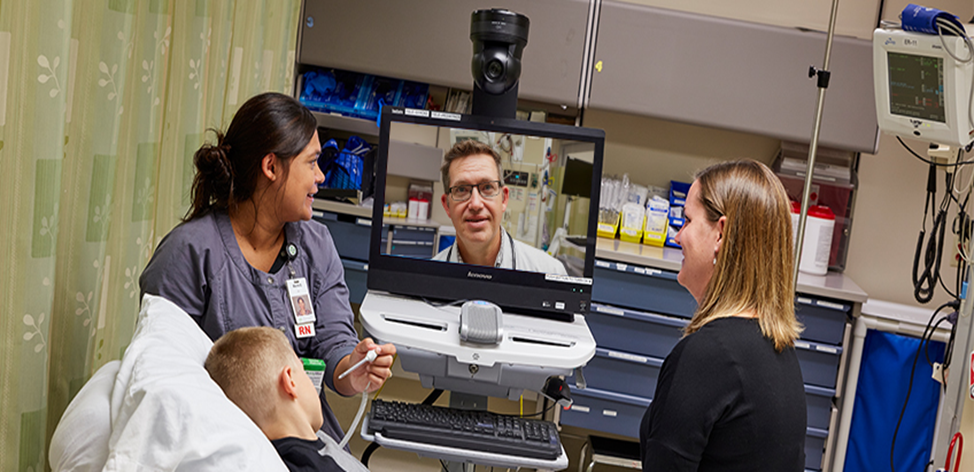
    The telepresence robot promotes using improvements in clinical nursing practice through informatics by programming a mobile robotic screen that moves about the facility and projects the provider to allow MDs and NPs to be more present and offer an extended clinical reach.

    Clinical Example:

    The nurses at a facility are preparing to do rounds however the doctor has just finished rounds at a facility across town. This doctor projects from the telepresence robot that moves through the facility side by side with the nurses as they conduct rounds improving response times to real time issues and bridging the gap of the second hand non verbal communication aspects of patient assessment that may be lost in email or telephone communication.


    Video Remote Translator

    Video Remote Translation has the capabilities to instantly get face to face language translation right at beside to assist with servicing a diverse clientele.

    Clinical Example:

    A patient comes in an needs to go through the registration process at the hospital however they speak Ukrainian. The nurse at the desk selects Ukrainian and one of the 24/7 translators is place on video to assist with registering the patient in their own language. This allows for prompt service while providing the comfort of face to face interaction to a diverse population.

    A medical-surgical nurse scans a patient’s wristband before administering insulin. The barcode system alerts the nurse when the entered insulin dose is incorrect. The nurse corrects the dose, preventing a potential medication error.


    An electronic health record identifies abnormal vital signs and laboratory results consistent with possible sepsis. The system alerts the nurse, who immediately initiates the hospital’s sepsis protocol, leading to earlier treatment and improved patient outcomes.


    A Home Health Nurse Case Manager received a call from the agency’s telehealth nurse, who reported that the patient’s morning vital signs showed a 4-pound weight gain in one day. The RN Case Manager called the patient, who stated, “My legs are very swollen.” The RN conducted a home visit the same day, contacted the patients physician while in the home, and received an order for an extra dose of Lasix that day.


    Smart scales and blood pressure cuffs utilized in the patients home and connected to the internet send messages to providers with information regarding rapid weight gain and changes in blood pressure trends that indicate, fluid retention and stroke or heart attack risks, that can be identified so that necessary medication changes can be made.

    Real-World Perspective from a ED Nurse

    A great example of how nursing informatics applies to clinical practice comes from Nicole Duke, a board-certified nurse informaticist. In her webinar, Nicole shares her journey transitioning from working as an emergency department nurse to a full-time informatics role. She explains how her bedside ED experience helps her understand real nursing workflows and design technology solutions that actually support nurses rather than create extra work (Duke, 2025).

    This perspective shows that nursing informatics is not just about systems — it’s about improving patient safety, reducing errors, and making technology work better for frontline nurses like those in the ED.

    References

    American Nurses Association. (2022). Nursing informatics: Scope and standards of practice (3rd ed.). American Nurses Association.

    Barcode Technology with Laura Willis, RN. (2011, June 10). [Video]. YouTube. https://www.youtube.com/watch?v=9zuE2vpHcEk&t=35s

    Duke, N. (2025). Nursing Informatics Webinar Series Part 1: Nursing Informatics 101 [Video]. Dossier. https://www.youtube.com/watch?v=RPjGziNMboo

    McGonigle, D., & Mastrian, K. G. (2025). Nursing informatics and the foundation of knowledge (6th ed.). Jones & Bartlett Learnin

    Trinity Health Mid-Atlantic (2014, August 7) Testimonial: Mercy Home Health’s Telehealth Program [Video]. YouTube. https://youtube.com/watch?v=w2HZtxvG_5Q

    Miller, K. (2025). Informatics and nursing: Opportunities and challenges (7th ed.). Wolters Kluwer.

  • Group 4 Wiki: Kolawole, Alex, Brett, Joseph, Kevin

    Group 4 Members: Kolawole, Alex, Brett, Joseph, Kevin

    Please use this page to add your content, images, videos, links to additional content, and reference section.

    Nursing Informatics

    Bridging the World of Technology and Healthcare

    The American Nursing Association defines nursing informatics (ANA) as laying the foundation to combine multiple sciences which include nursing, computer, and information sciences to manage and communicate data, information, knowledge, and wisdom in nursing practice which improves the healthcare experience for everyone involved (American Nurses Association, 2023).

    Nursing informatics uses technology in a variety of ways to enhance patient care. From delivery to management, it produces a more data-driven approach for faster, better decision-making and monitoring (Nashwan et al. 2025).

    Examples of implementation of Nursing Informatics includes the use of electronic health records (EHRs),which allow nurses to document vitals, medication administration and any other clinical interventions. The EHRs makes these data available to doctors and other professionals in real time thereby assuring that prompt attention is given to the patient in question(McGonigle & Mastrian, 2022).

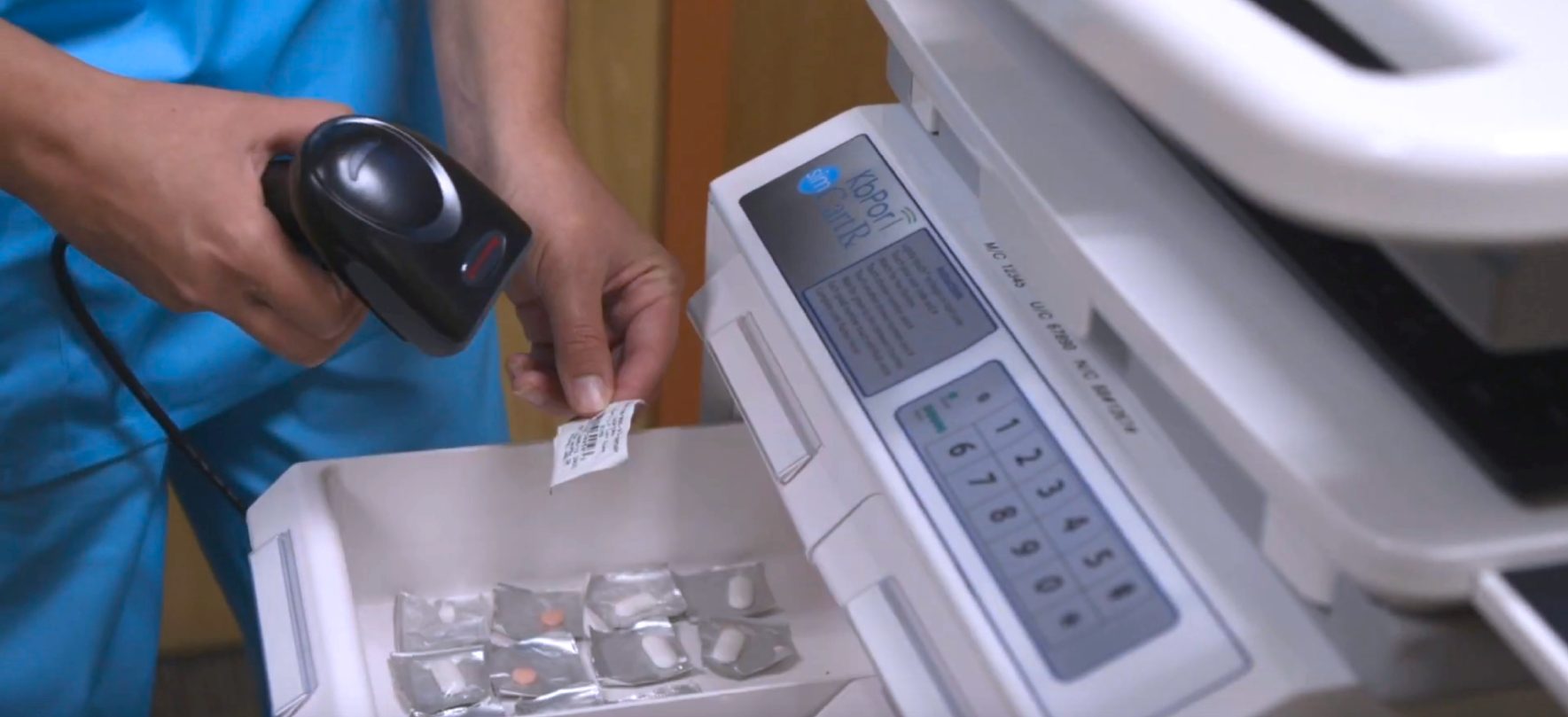
    A second example of nursing informatics implemented is the use of bar-code medication administration (BCMA), which works with EHRs to electronically verify a patients identity and verifying the five rights of medication administration, while at the same time documenting medications in real time (Indian Health Service, n.d.).

    BCMA

    Another example is the use of telehealth . This nursing informatics gives nurses the ability to assess, monitor and educate patients from a remote location (American Nurses Association, 2022).

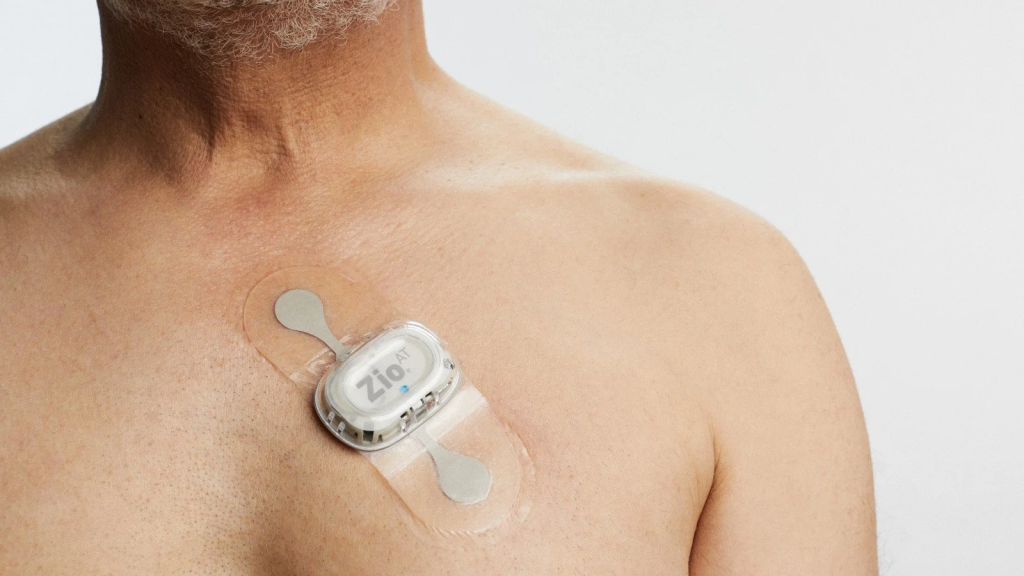
    Within the realm of telehealth is also emerging technology related to portable monitoring devices. This allows nurses to track and monitor patients with new and existing conditions, therefore, avoiding any new complications in the future (Miller, 2025). In turn, it can save money and patients’ lives. On the Cardiac Stepdown floor, patients are fitted with a Zio Patch which can continuously monitor the patients heart rhythms, imagine like a mini EKG. This can help healthcare providers to see in real-time the patients condition such as Atrial Fibrillation (A. fib) or Ventricular Tachycardia, and make evidence-based decisions quicker.

    To learn more about how the Zio Patch is specifically used in the treatment of A. fib, there is a link below detailing it more in depth:

    https://pmc.ncbi.nlm.nih.gov/articles/PMC3618372

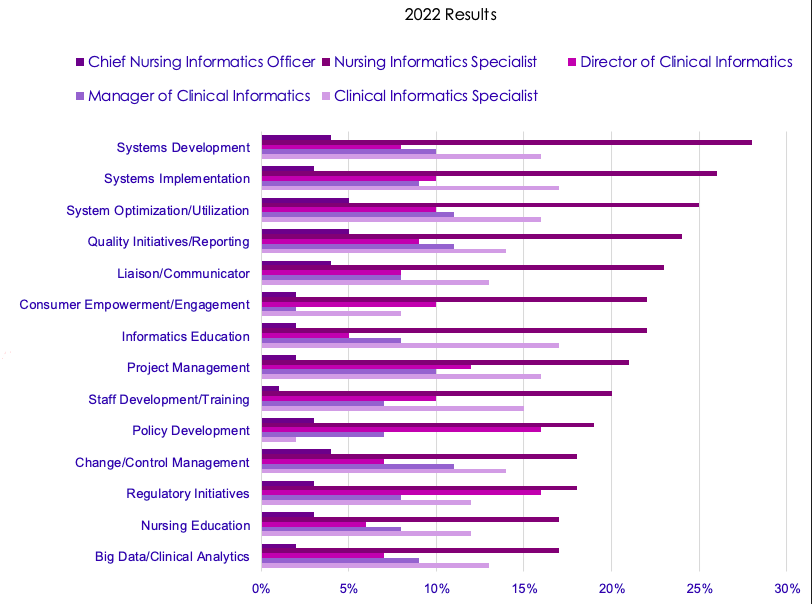
    Nursing informatics is a rapidly expanding specialty that continues to grow alongside advancements in healthcare technology. The HIMSS Nursing Informatics Workforce Survey highlights the diverse range of responsibilities within nursing and clinical informatics roles. These responsibilities include areas such as system development, project management, quality reporting, and data management. The graph below demonstrates how these responsibilities align with various informatics positions, including roles such as Nursing Informatics Specialist and Chief Nursing Informatics Officer (Healthcare Information and Management Systems Society [HIMSS], 2023).

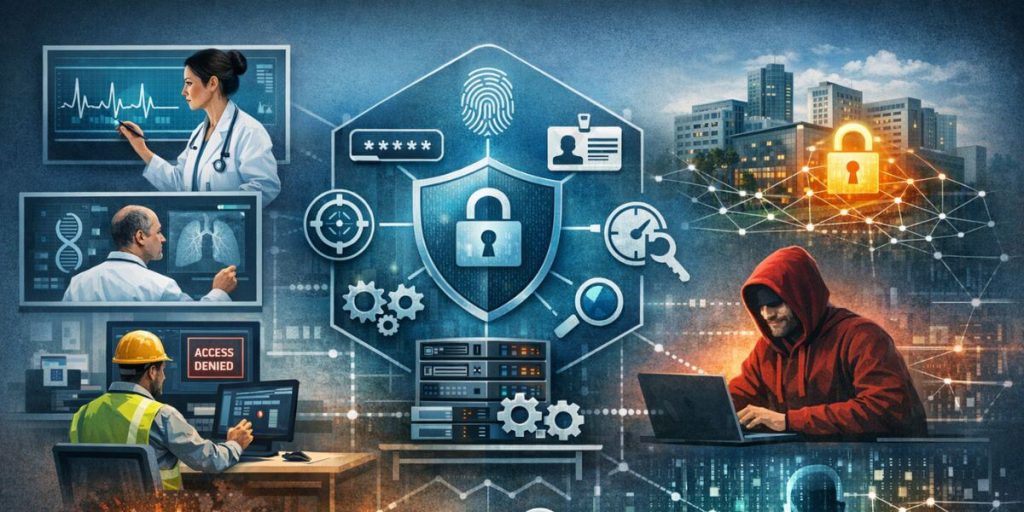
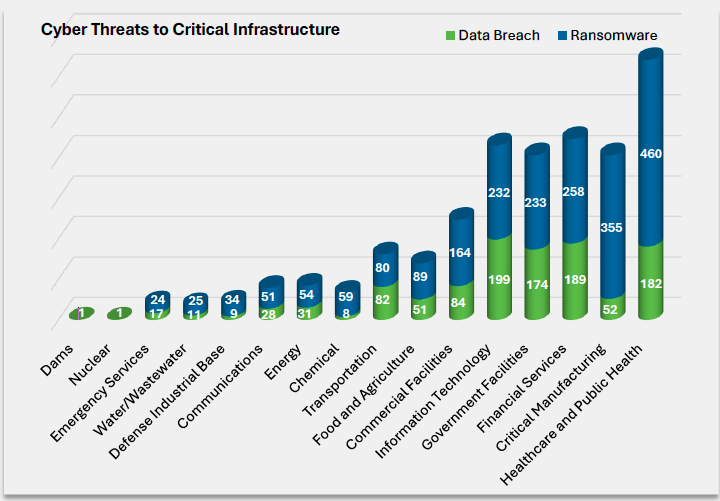
    Cybersecurity has become an essential component of technology-related professions, including nursing informatics, where professionals play a critical role in protecting patient information and ensuring the delivery of safe, high-quality patient care. The confidential nature of patient health information makes healthcare systems especially vulnerable to cyberattacks, including ransomware, data breaches, and unauthorized access.

    The frequency of healthcare data breaches continues to increase each year, making cybersecurity education a critical responsibility for nurse informatics professionals. The FBI’s annual Internet Crime Report identified Healthcare and Public Health as the critical infrastructure sector with the highest number of cyber threats in 2025 (Federal Bureau of Investigation, 2026).

    Important cybersecurity practices to implement and teach include using strong, unique passwords for each account, avoiding password reuse, refraining from opening emails or attachments from unknown senders, and ensuring that antivirus software and security updates are kept current (Miller, 2025).

    Nursing informatics has transformed the way nurses deliver patient care by improving communication, efficiency, and patient safety. Electronic health records (EHRs) provide immediate access to patient histories, laboratory results, medications, and provider notes, allowing nurses to make informed clinical decisions more quickly. Barcode medication administration systems help reduce medication errors by verifying the correct patient, medication, dose, route, and time before administration. Clinical decision support tools also assist nurses by providing evidence-based alerts and reminders that improve quality of care (Miller, 2025).

    Despite these benefits, nursing informatics also presents challenges. Nurses must learn new technologies, adapt to software updates, and balance computer documentation with direct patient care. Excessive electronic alerts may contribute to alert fatigue, causing important warnings to be overlooked. Protecting patient privacy and maintaining cybersecurity also remain ongoing responsibilities for all healthcare professionals (Miller, 2025).

    Overall, nursing informatics continues to improve healthcare by supporting evidence-based practice, enhancing interdisciplinary communication, and promoting safer patient outcomes.

    BenefitsChallenges
    Improves patient safetyAlert fatigue
    Faster access to patient informationLearning new technology
    Enhances communicationDocumentation burden
    Supports evidence-based practiceCybersecurity threats
    Reduces medication errorsSystem downtime

    References

    American Nurses Association. (2022). Nursing informatics: Scope and standards of practice (3rd ed.). American Nurses Association.

    American Nurses Association. (2023, July 5). What is nursing informatics and why is it so important? American Nurses Association. https://www.nursingworld.org/content-hub/resources/nursing-resources/nursing-informatics/

    Federal Bureau of Investigation. (2026). 2025 Internet Crime Report. Internet Crime Complaint Center. https://www.fbi.gov/file-repository/2025_ic3report.pdf/view.

    Healthcare Information and Management Systems Society. (2023). 2022 Nursing Informatics Workforce Survey. HIMSS

    Healthcare Intersection. (2023, January 18). Securing your health: Understanding cybersecurity in healthcare [Video]. YouTube. https://www.youtube.com/watch?v=9D6YyrW0-hg

    Indian Health Service. (n.d.). Clinical overview: Bar Code Medication Administration (BCMA). U.S. Department of Health and Human Services. https://www.ihs.gov/bcma/clinicaloverview/

    McGonigle, D., & Mastrian, K. G. (2022). Nursing informatics and the foundation of knowledge (5th ed.). Jones & Bartlett Learning.

    Michelle Hamland, DNP. (2023). Building Better Healthcare with Nursing Informatics | Ep. 54 | Full Episode. In YouTube. https://www.youtube.com/watch?v=74AE9wEdvcY&t=235s

    Miller, K. (2025). Informatics and nursing: Opportunities and challenges (7th ed.). Wolters Kluwer.

    Nashwan, A. J., Cabrega, J. A., Othman, M. I., Khedr, M. A., Osman, Y. M., El-Ashry, A. M., Naif, R., & Mousa, A. A. (2025). The evolving role of nursing informatics in the era of artificial intelligence. International Nursing Review, 72(1), e13084. https://doi.org/10.1111/inr.13084

    Rosenberg, M. A., Samuel, M., Thosani, A., & Zimetbaum, P. J. (2013). Use of a noninvasive continuous monitoring device in the management of atrial fibrillation: a pilot study. Pacing and clinical electrophysiology : PACE, 36(3), 328–333. https://doi.org/10.1111/pace.12053

  • Group 1 Wiki: Michelle, Deondra, Jacqueline, Iyonna, Jocelyn, Monika

    Group 1 Members: Michelle, Deondra, Jacqueline, Iyonna, Jocelyn, Monika

    Please use this page to add your content, images, videos, links to additional content, and reference section.

    • Nursing specialty that incorporates the science of nursing with computer science to collect, analyze , manage and communicate health care data, wisdom and knowledge to improve patient care and outcomes (Miller, 2025).

    Per Miller (2025),

    • Analyze Patient data and clinical decision support
    • Improve patient safety by reducing medication and documentation errors
    • Help implement and enhance EMR systems
    • Use quality control to measure outcomes that will lead to better patient safety and care.
    • Facilitate better communication with staff and patients

    For a more in depth definition please review the following video:

    Note. From Nursing Informatics Overview (Nursing Informatics, 2020), YouTube. https://www.youtube.com/watch?v=uv1ScYHH3GE

    Barcode Medication Administration

    Barcode medication administration is an important use of nursing informatics that helps improve medication safety. Nurses scan the patient’s identification band and the medication before administration to confirm the correct patient, medication, dose, route, and time. This technology helps reduce medication errors and creates an electronic record of medication administration. For example, if a nurse scans the wrong medication, the barcode system may alert the nurse before it is administered to the patient(Miller, 2025).

    Note. From Barcode Medication Administration (UK HealthCare, 2014), YouTube. https://www.youtube.com/watch?v=9e9Rtl9_fKc⁠

    Telehealth

    Telehealth is the use of technology, such as video visits( Mychart, Microsoft Teams), telephone calls and monitoring equipment to provide healthcare to patients remotely. There are different types of Telehealth, including synchronous Telehealth and asynchronous Telehealth. Synchronous Telehealth provides real-time, two-way communication between the patient and the healthcare provider. This allows patients and providers to meet virtually and discuss healthcare needs. Asynchronous Telehealth involves the collecting and sharing health information that does not occur at the same time. An example would be digital images, such as X-rays, which can be captured, stored and sent electronically to healthcare providers for review and diagnosis at a later time. (Miller, 2025)

    Telehealth is beneficial for nurses because it allows them to care for patients remotely. It helps nurses follow up on healthcare concerns, monitor patients more efficiently and communicate with patients in both real time and as a later time.

    💡Did You Know?

    • A Personal Health record (PHR) allow patients to manage and control their health information while sharing it with their healthcare providers.

    •During COVID-19, patients with chronic illnesses used Telehealth to stay connected with healthcare providers through remote monitoring.

    •An informatics nurse uses technology and healthcare data to improve decision-making, communication and patient care. (Miller, 2025)

    Privacy, Security, and Ethical Responsibilities in Nursing Informatics

    Nursing informatics involves collecting, accessing, documenting, and sharing sensitive patient information. Therefore, nurses have an ethical and professional responsibility to protect patients’ privacy and maintain the confidentiality and security of health information. The HIPAA Security Rule requires healthcare organizations to use administrative, physical, and technical safeguards to protect electronic protected health information and preserve its confidentiality, integrity, and availability (U.S. Department of Health and Human Services [HHS], 2024).

    In clinical practice, nurses can protect electronic patient information by:

    • Using individual usernames and strong passwords.
    • Never sharing login credentials with another person.
    • Logging out of the electronic health record before leaving a workstation.
    • Accessing only the records needed to perform assigned duties.
    • Verifying recipients before sending patient information electronically.
    • Avoiding discussions of patient information in public areas.
    • Reporting suspicious emails, unauthorized access, or possible data breaches.
    • Following organizational policies when using mobile devices, messaging systems, and telehealth platforms.

    Clinical Example

    A nurse receives an email that appears to come from the hospital’s information technology department and asks the nurse to enter an EHR username and password through a provided link. Instead of clicking the link, the nurse reports the message to the appropriate department. This action helps prevent phishing, unauthorized access, and possible exposure of patient information. The example demonstrates that nurses are active participants in cybersecurity and not simply users of healthcare technology.

    Why Privacy and Security Matter

    A breach of electronic health information can damage patient trust, interrupt healthcare services, and expose patients to privacy-related harm. Secure informatics practices allow nurses and other authorized healthcare professionals to exchange information while protecting patients’ rights. Privacy and cybersecurity education should therefore remain part of nurses’ continuing professional development.

    Additional Resource:

    https://www.hhs.gov/hipaa/for-professionals/security/index.html

    Challenges of Nursing Informatics

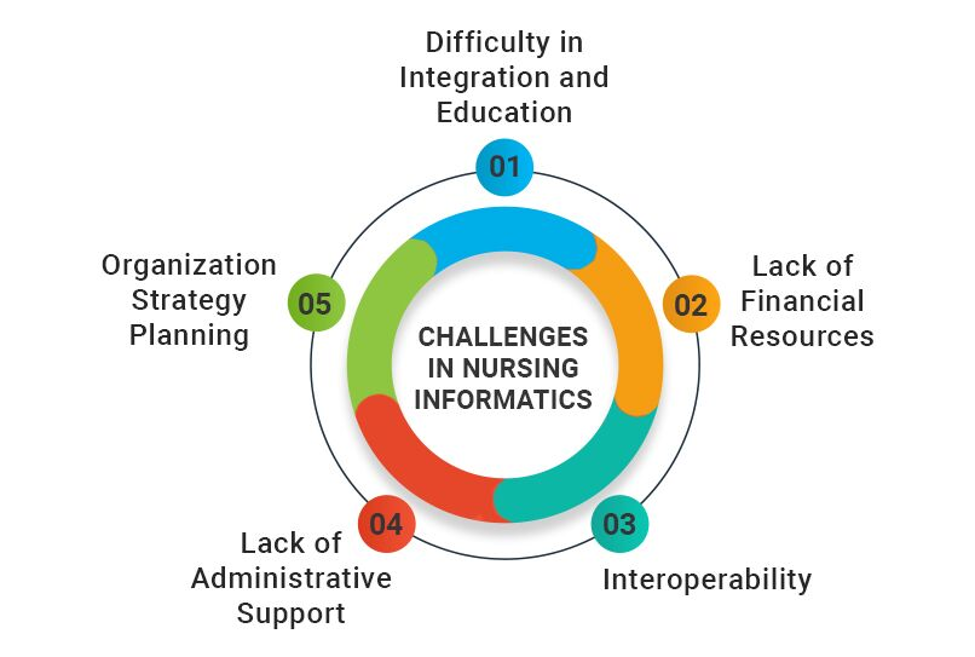
    • There is a lack of proper training of nurses concerning the use of health information systems because nursing schools do not equip their students well enough for that.
    • Nurses require continuous education concerning modern technologies, including EHRs, telehealth, artificial intelligence (AI), and data analytics (Livesay et al., 2024).
    • It might be difficult for healthcare organizations to implement new technologies because of the shortage of resources and inadequate infrastructure.
    • The gap between what nursing students learn and what knowledge is required to be a competent professional when working digitally makes the situation more complicated.
    • The implementation of a unified framework of digital health competencies for nurse educators and practitioners will ease nurses’ job to deliver evidence-based practice (Livesay et al., 2024),

    As such, in the future, the field of nursing informatics will continue to evolve alongside technological evolution. Artificial intelligence (AI) technology will play an increasingly important role in analysis of patient information, disease detection, and decision-making processes. Prediction models may assist in the identification of patients who may suffer from complications before any symptoms are evident (Nashwan et al., 2025). Remote monitoring and wearable health devices will allow nurses to observe vital signs of patients even when they are outside of the healthcare facility, hence making the treatment of chronic illnesses and preventing hospital readmission easier (Nashwan et al., 2025).

    The Day and Life of a Informatics Nurse
    • Rounding on clinical users with analysts: Identify what what programs are working well. Identify what systems can be improved. Provide education to users and report issues to analysts.
    • Attend daily huddle: Be present for morning reports that address safety concerns. Concerns may include EHR reports that show lack of proper utilization.
    • Facilitate decision making councils: Review requests and recommendations from staff that make documentation less complicated.
    • Support or sponsor optimization workgroup teams: Collaboration with nurses, providers, pharmacists, leaders, and analysts to improve the EHR for various treatments.
    • Participate in weekly health information systems (HIS) and clinical operational leadership planning meetings: Gather information on new and current projects. Help to influence and prioritize use of resources. Observing system updates and interfaces.
    • Networking and continuing education: Meet with colleagues to share success stories. Collaborate on challenges. Stay informed on new evidence.
    Click the link below to explore the daily routine of a Informatics Nurse:

    References:

    Livesay, K., Walter, R., Petersen, S., Abdolkhani, R., Zhao, L., & Henderson, K. B. (2024). Challenges and needs in digital health practice and nursing education curricula: A gap analysis study. (preprint). Journal of Medical and Internet Research Medical Education, 10, e54105–e54105. https://doi.org/10.2196/54105

    Miller, K. S. (2025). Informatics and nursing: Opportunities and challenges (7th ed.). Wolters Kluwer.

    Nashwan, A. J., Cabrega, J. A., Othman, M. I., Khedr, M. A., Osman, Y. M., El‐Ashry, A. M., Naif, R., & Mousa, A. A. (2025). The evolving role of nursing informatics in the era of artificial intelligence. International Nursing Review, 72(1), e13084. https://doi.org/10.1111/inr.13084

    Nursing Informatics. (2020, November 12). Nursing informatics overview [Video]. YouTube. https://www.youtube.com/watch?v=ub1ScYHH3GE

    UK HealthCare. (2014, March 6). Barcode medication administration [Video]. YouTube. https://www.youtube.com/watch?v=9e9Rtl9_fKc⁠

    U.S. Department of Health and Human Services. (2024). The Security Rule. https://www.hhs.gov/hipaa/for-professionals/security/index.html

  • Faculty Resources

    Faculty Resources

    Resources for faculty members using the Nursing Wiki in their courses. Includes guides, best practices, and support information.


    Getting Started

    • Adding wiki pages to your course shell
    • Assigning wiki-based activities
    • Monitoring student contributions

    Wiki Best Practices

    • Encourage students to reference the Assessment Example Template and Care Plan Template
    • Use Diagnosis Practice for in-class activities
    • Direct students to the Student Sandbox for experimentation

    Related pages: Wiki Index | Help/Guidelines | Assessment Example Template

  • Student Sandbox

    Student Sandbox

    Practice area for experimenting with wiki formatting and content. Changes here will not affect the main wiki pages.


    Formatting Examples

    Bold text, italic text, underlined text.

    Tutorials & Instructions:

    • Click the red “Edit” button above the content area to edit your page.
    • Then click the blue “+” sign in the upper left screen corner to open the editing menu with options to add headings, paragraphs, lists, images, videos, and more.
    • The toolbar ribbon at the top of the screen also includes editing options such as adding “bold” text or creating links to websites or other content.
    • The window icon next to the blue “Save” button in the upper right corner of your screen will also open options for Block editing to update font size, color, and more.
    • Watch the tutorial video below and practice adding or editing content to this practice page without having to worry about making mistakes!

  • TOC

    Welcome to the YSU Nursing Wiki

    This wiki supports the Centofanti School of Nursing at Youngstown State University. Use it for Nursing program assignments and projects, and to collaborate with peers and faculty.


    Getting Started


    YSU Centofanti School of Nursing logo


    YSU Nursing Wiki | Centofanti School of Nursing | 1 Tressel Way, Youngstown OH