Group 1 Members: Sujata, Kristy, Helena, Angela, Ashley B., Rukmeena
Please use this page to add your content, images, videos, links to additional content, and reference section.
WHAT IS NURSING INFORMATICS?
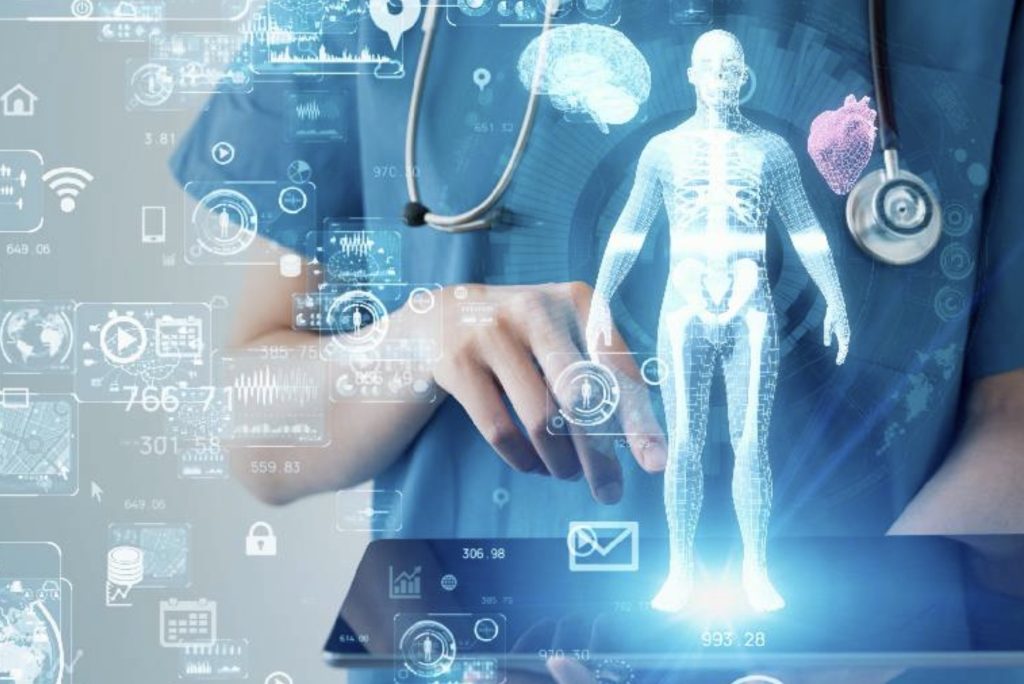
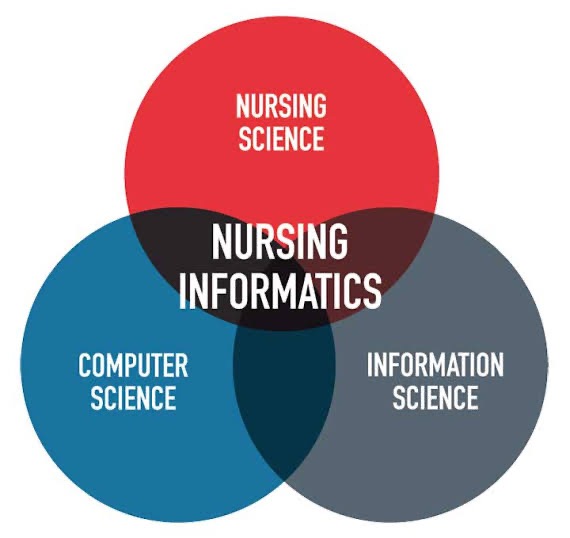
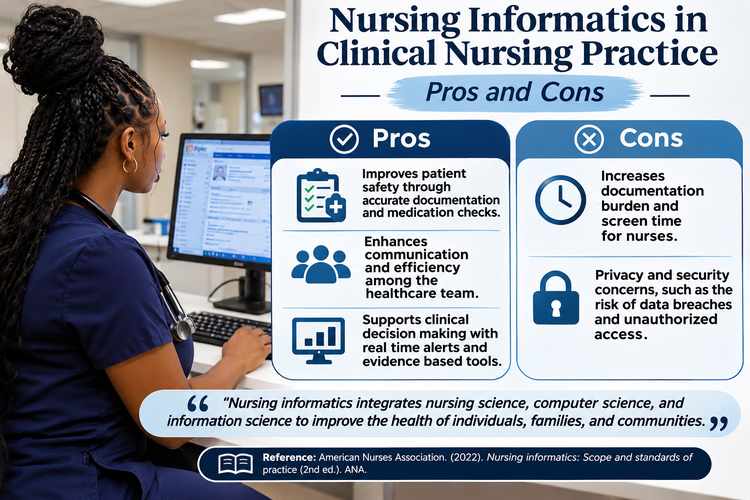
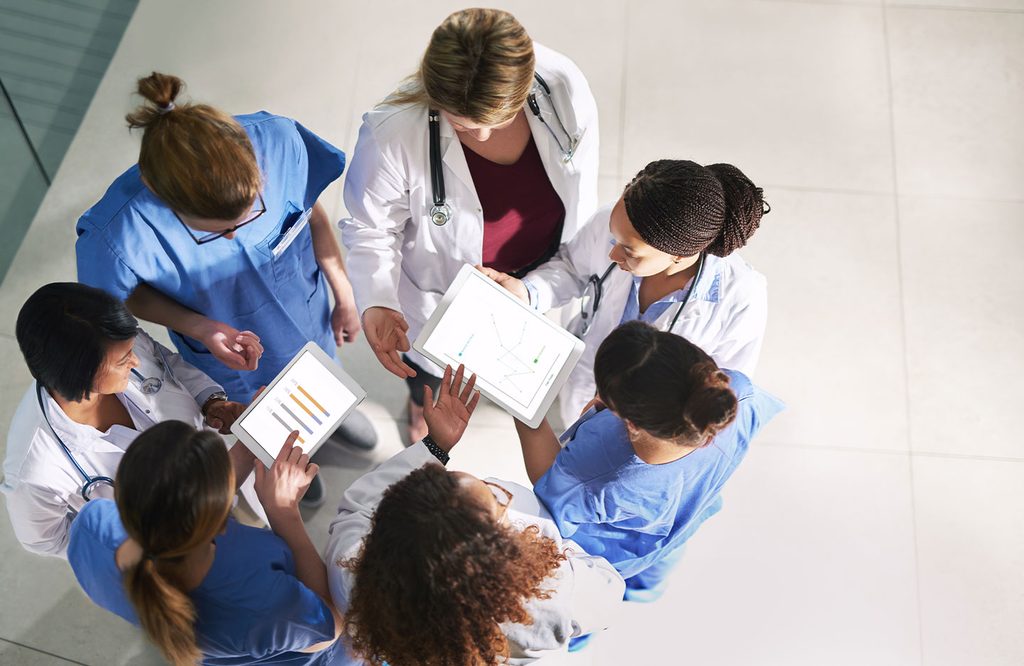
The American Nurses Association (ANA) explains that nursing informatics, combines nursing, technology, and information to help nurses organize and share patient information. It uses technology and electronic systems to collect, store, and share patient information to improve care and healthcare outcomes. Nursing informatics helps nurses make informed clinical decisions, reduce medical errors, and provide safe and efficient care.
How is Nursing Informatics Used in Nursing Practice?
Electronic Health Records (EHR)
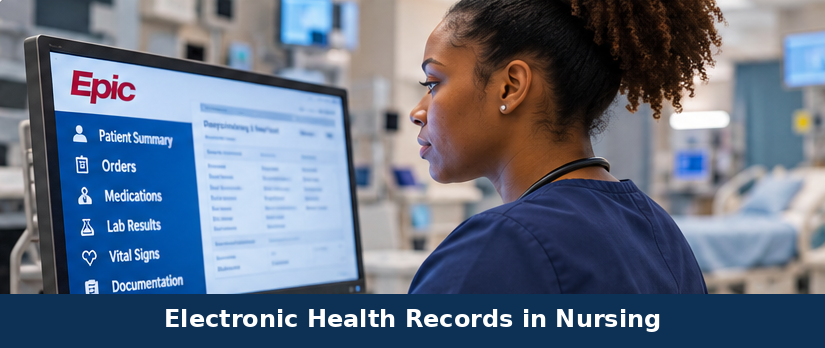
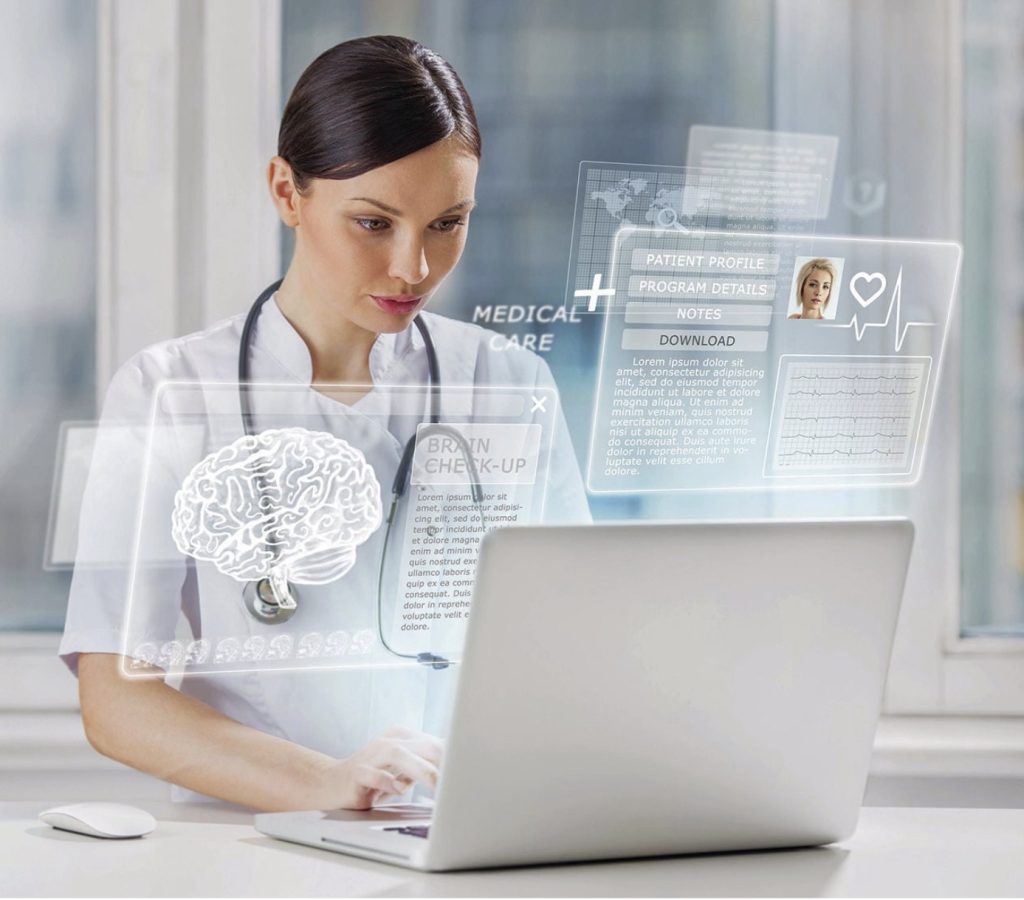
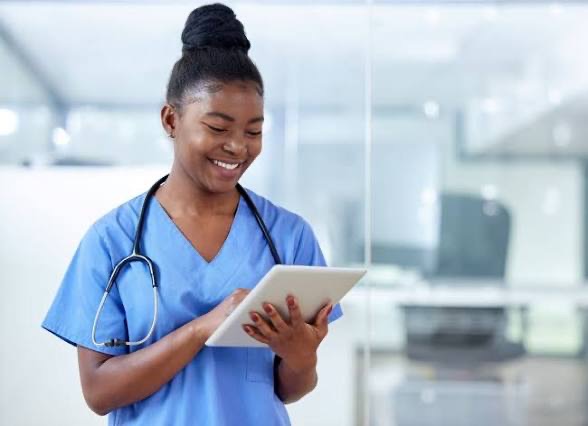
- Nursing informatics is used throughout a nurse’s daily responsibilities. One of the most common applications includes electronic health records (EHRs). A study by Taneva en al. (2024) found that electronic health records are extremely beneficial in enhancing care quality and improving patient safety for the nursing profession. Electronic health records allow nurses to access and document patient information including medical histories, allergies, diagnoses, medications, vital signs, and laboratory results. Electronic health records improve the quality and efficiency of healthcare (Office of the National Coordinator for Health Information Technology [ONC], 2025).
- An example would include how at the beginning of their shift, nurses will look at the patient’s medical history, orders, physician notes, lab results, medications, and current treatment plan.
- Another example would be if a patient is due to receive a medication to treat hypertension, a nurse can review a patient’s previous blood pressure reading to determine if they meet the criteria to receive the medication. If necessary, the nurse can communicate concerns to the healthcare provider.
Barcode Medication Administration
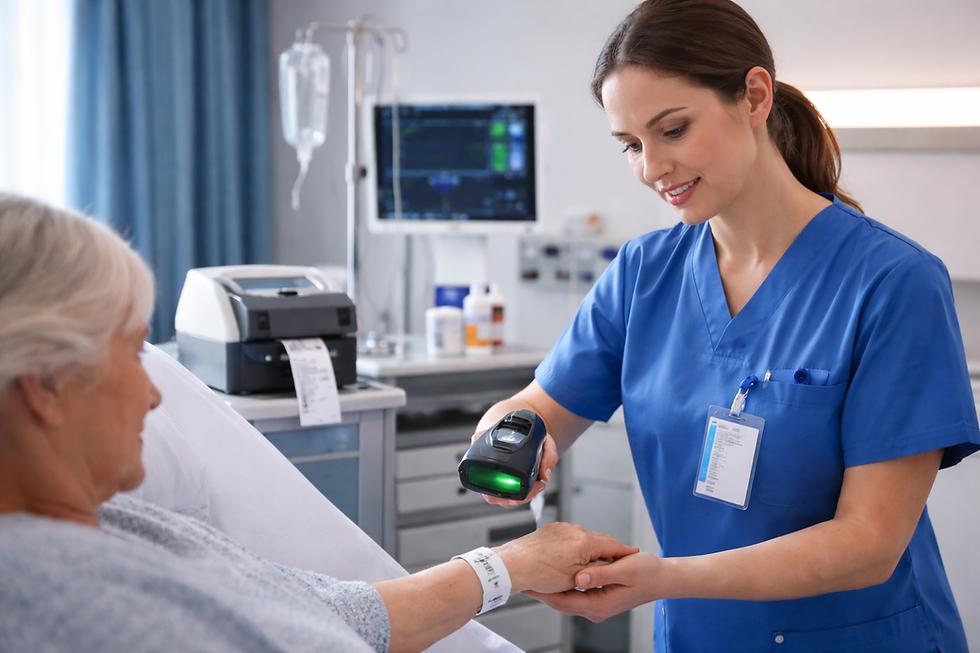
- Another application of nursing informatics occurs during medication administration. Technology helps nurses safely administer medications and prevent medication errors. A study from Kataria en al. (2024) concluded that the use of health informatics technologies helps nurses improve the accuracy of medication prescriptions, reduce medication errors, and provides access to patient data, which leads to better clinical outcomes. Barcode medication administration (BCMA) allows nurses to scan a patient’s identification bracelet and medication before administration.
- For example, nurses can keep track of what medications a patient is to recieve via the EHR. When they scan the patients identification wristband and then the medication using the BCMA, if the patient has an allergy to the medication an alert will appear on the screen. This gives the nurse time to investigate and possibly avoid giving a medication that can cause a reaction.
- Another example would include how scanning a patient’s wristband and medication allows the nurse to verify that the correct medication, dose, route, and patient are matched before giving the medication. Though after scanning the patient’s identification bracelet, the nurse should always ask the patient for their full name and date of birth to make sure it matches the profile in the system.
Modern Technology in Nursing
- Nurses also use technology to continuously monitor patient conditions. These tools help nurses quickly recognize changes in a patient’s condition and intervene when necessary.
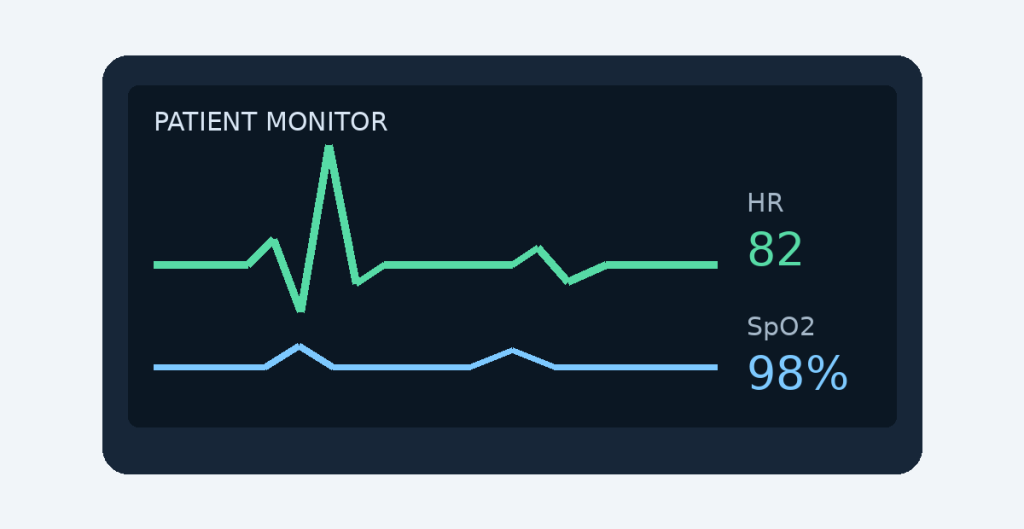
- For example, cardiac monitors are often placed on patients to detect abnormal heart rhythms, and continuous pulse oximeters can monitor a patient’s oxygen saturation.
Other Examples of Nursing Informatics
- Telehealth
- Nurses communicate with patients through video appointment
- Smart Pumps
- Nurses use programmed infusion pumps to deliver medications and fluid
- Patient monitors
- Nurses monitor patients’ heart rate, blood pressure and oxygen level.
EHR vs. EMR
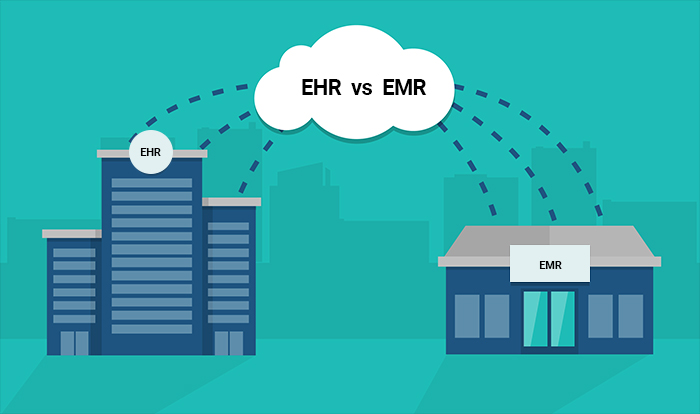
An electronic medical record (EMR) is a digital record used within one facility or practice. An electronic health record (EHR) is broader — it is designed to be shared across different providers and settings and to follow the patient over time (Miller, 2025).
That difference matters in clinical practice. In long-term care and rehab, a patient often moves from a hospital to rehab to long-term care. With an EHR like Epic, the next team can see medications, allergies, assessments, and history without starting from scratch. That helps with continuity of care and patient safety, because everyone is working from the same updated information (Miller, 2025).
Telehealth and Remote Patient Monitoring in Nursing
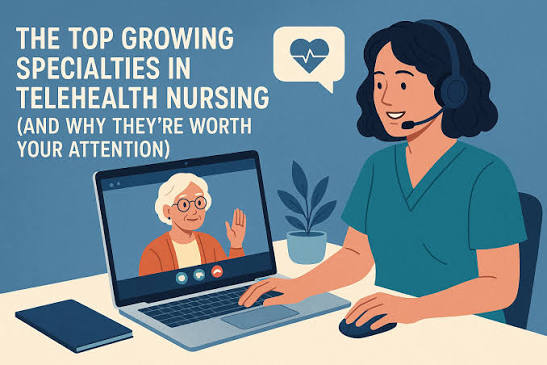
Telehealth is a very important aspect of Nursing Informatics; it enables Nurses to deliver care to patients even when they are unable to be physically present at all times. This may include a variety of ways including video visits, telephone consultations, and remote monitoring devices to allow nurses to assess symptoms, provide education, and communicate with patients remotely. As stated by (Duka et al. 2026) telehealth has been increasingly utilized as a method for delivering quality nursing care, especially in managing chronic illness and promoting continuity of care.
A remote patient monitoring system provides nurses with an opportunity to assess a patient’s health remotely. In addition to tracking vital signs through the use of digital scales and blood pressure monitors; for example, patients who have congestive heart failure can utilize these devices as part of a comprehensive care plan. The nurse can then evaluate the data from the scale and blood pressure monitor to determine whether there are any significant changes in the patient’s overall health that would need further evaluation or action on behalf of the nurse. Examples of how telehealth is being utilized include assisting patients with managing their diabetes, recovering from surgical procedures, and monitoring the symptoms associated with various chronic medical conditions. The research conducted by (Duka et al. 2026), demonstrated that telenursing interventions can lead to improved symptom management, compliance with prescribed treatments, and improvement in the quality of life experienced by patients.
One of the main advantages of telehealth is that it provides patients with additional support while they are at home, as opposed to needing to make trips to a medical facility for each interaction. Telehealth may also provide additional opportunities for patients who have some level of mobility issues, ongoing chronic health conditions, or other challenges associated with obtaining access to healthcare services. While telehealth replaces the traditional method of providing support to patients through in-person visits and assessments by nurses, there will always be a time when a nurse needs to assess a patient’s condition, communicate information, and then decide whether or not to see the patient in person.
Analyzing Data in Clinical Nursing Practice
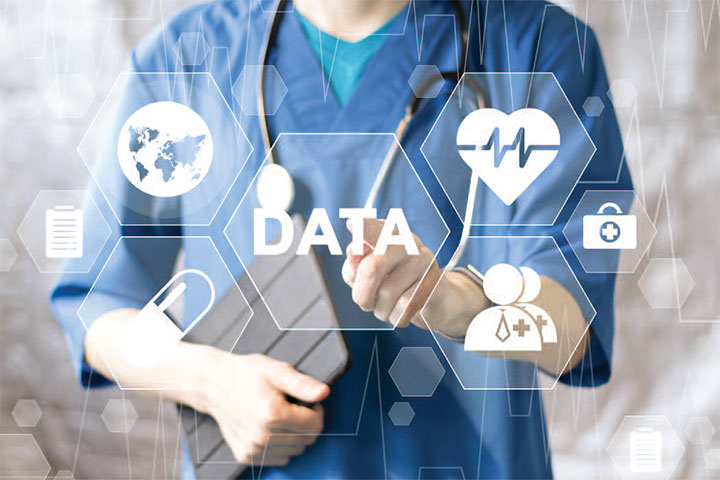
Nursing informatics is not just collecting information in the EHR. Analyzing data means turning that raw information into patterns a nurse can act on (Miller, 2025, Ch. 9).
In nursing practice, this includes watching trends instead of single numbers — a gradual weight change, a rising temperature, a change in pain scores or mobility over several shifts. One vital sign on its own may not tell you much, but the trend can show a patient is starting to decline or that a treatment is working.
Good data analysis also depends on good charting. If assessments, medications, and intakes/outputs are entered accurately and consistently, the team can compare information over time and make safer clinical decisions (Miller, 2025).
Importance of Nursing Informatics to the Future of Nursing
Nursing informatics will continue to play an important role in healthcare as technology advances. It allows nurses to use accurate patient information to make better clinical decisions and provide the best possible outcomes for their patients. Nurses must be comfortable using electronic health records, digital monitoring equipment, and other healthcare technologies to provide safe and efficient patient care. Almarwani (2024) found that competency of nursing informatics has a great impact on the quality of services provided by healthcare systems. Understanding nursing informatics allows nurses to use technology appropriately while maintaining critical thinking and clinical judgment. Although technology is a valuable resource, it does not replace the nurse’s responsibility to assess patients, recognize potential complications, and make appropriate clinical decisions.
Challenges of Nursing Informatics in Healthcare:
Although nursing informatics has many benefits, there are also challenges that nurses may face when using technology in healthcare. One challenge is alert fatigue, which happens when nurses receive too many alerts or alarms and may become less responsive to them. In the ICU, patients are connected to many different monitors that frequently alarm. Nurses need to recognize which alarms require immediate attention and respond appropriately. According to the Agency for Healthcare Research and Quality (n.d.), too many alerts can cause healthcare workers to overlook important warnings, which can affect patient safety.
Another challenge is when electronic health record systems are temporarily unavailable or not working properly. Nurses may have difficulty accessing patient information, medication records, or documenting care. Incorrect or incomplete documentation can also cause problems because other healthcare workers rely on that information when caring for patients.
Patient privacy is another important concern. Nurses must protect patient information and only access records needed to provide care. Although technology makes nursing care easier in many ways, nurses still need to double-check information, follow safety procedures, and use their clinical judgment.
Common Roles in Nursing Informatics
Nursing Informatic specialist:
This role consists of a nurse in charge of information technology solutions, data management, and nurse education. They may also work as an executive or analyst. The informatics nurse possesses a strong understanding of both nursing and technology. Tasks may also include ensuring the integrity and security of health care data. This role is essential to ensure improvement of patient safety and healthcare outcomes (American Nurses Association, 2023).
Smart IV Pump
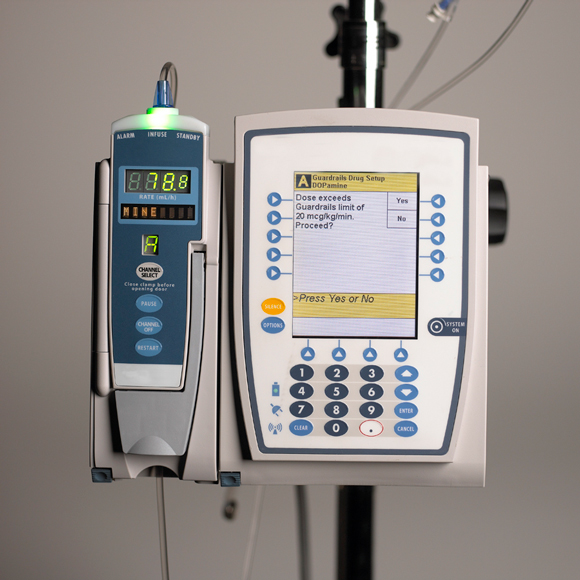
Technologies that Informatic specialist implement for nurses to provide safe care are smart IV infusion pumps, these pumps use programmed medication libraries, and safety limits to help prevent incorrect medication doses and infusion rates.
These smart IV pump contains dose error reduction software. The smart IV pumps need to be intelligent, require continuous teaching of users, and maintain a precise drug library (Alamer & Alanazi, 2023).
VOCERA
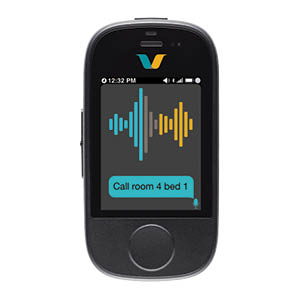
This device called a Vocera allow nurses to communicate with physicians, pharmacists, and other healthcare professionals quickly, improving coordination and reducing delays in patient care.
References
Almarwani, A. (2024). Evaluation of the nursing informatics competency among nursing students: A systematic review – sciencedirect. ScienceDirect. https://www.sciencedirect.com/science/article/abs/pii/S1471595324001367
American Nurses Association. (n.d.). Nursinginformatics. https://www.nursingworld.org/content-hub/resources/nursing-resources/nursing-informatics
American Nurses Association. (2023, July 5). What is nursing informatics and why is it so important? https://www.nursingworld.org/content-hub/resources/nursing-resources/nursing-informatics/
Alamer, F., & Alanazi, A. T. (2023). The impact of smart pump technology in the healthcare system: A scope review. Cureus, 15(3), Article e36007. https://pmc.ncbi.nlm.nih.gov/articles/PMC10085524/
Carlow University. (2021, December 23). Leveraging technology for better care: The role of nursing informatics in medicine. https://online.carlow.edu/resources/article/role-of-nursing-informatics/
Duka, B., Nuhu, K., Mane, F., Çini, J., Zylfo, A., Vakeflliu, K., & Arapi, A. (2026). Mapping nursing telemedicine practices: A scoping review of models, outcomes, and professional roles. Nursing Reports, 16(5), 161. https://doi.org/10.3390/nursrep16050161
Kataria, N., Arora, S., Chauhan, D., Dwivedi, S., Chowdhary, D., & Rani , R. (2024, May 7). Effect of nurse informatics on medication errors, patients’ satisfaction, and Quality Patient Care – A systematic review and Metanalysis. Journal of education and health promotion. https://pmc.ncbi.nlm.nih.gov/articles/PMC13210025/
Miller, K. (2025). Informatics and nursing: Opportunities and challenges (7th ed.). Wolters Kluwer.
Office of the National Coordinator for Health Information Technology. (2025, December 10). Electronic health records and their benefits. https://healthit.gov/health-it-basics/benefits-ehrs
Taneva, D., Zlatanova, Y., Paskaleva, D., Kirkova-Bogdanova, A., & Gyurova-Kancheva, T. (2024, November 18). Electronic Nursing Records: Importance for nursing and benefits of implementation in Health Information Systems-a scoping review. Multidisciplinary Digital Publishing Institute. https://www.mdpi.com/2039-4403/14/4/262
Attachments
| File | Size | Added |
|---|---|---|
| MKT_Vocera | 13 KB | Nov 9, 2026 |
| PSA1207_graphic_smartpumps Dec | 188 KB | Nov 9, 2026 |
| car_msn-mba_article_role-of-nursing-info_image-1 | 191 KB | Nov 9, 2026 |
| car_msn-mba_article_role-of-nursing-info_image-1 | 191 KB | Nov 9, 2026 |
| image | 103 KB | Nov 9, 2026 |
| image | 103 KB | Nov 9, 2026 |
| image | 103 KB | Nov 9, 2026 |
| image | 340 KB | Nov 9, 2026 |
| image | 39 KB | Nov 8, 2026 |
| image | 35 KB | Nov 8, 2026 |
| icu | 20 KB | Nov 8, 2026 |
| image | 488 KB | Nov 8, 2026 |
| image | 244 KB | Nov 5, 2026 |
| image | 98 KB | Nov 5, 2026 |
| Screenshot | 173 KB | Nov 4, 2026 |
| Screenshot | 173 KB | Nov 4, 2026 |
| Screenshot | 173 KB | Nov 4, 2026 |
| Screenshot | 173 KB | Nov 4, 2026 |
| Screenshot | 301 KB | Nov 4, 2026 |
| Screenshot | 229 KB | Nov 4, 2026 |
| Screenshot | 301 KB | Nov 4, 2026 |
Leave a Reply
You must be logged in to post a comment.