Group 2 Members: Alexa B., Taelor, Callista, Christina, Amanda, Sage
Please use this page to add your content, images, videos, links to additional content, and reference section.
Nursing Informatics in Clinical Nursing Practice
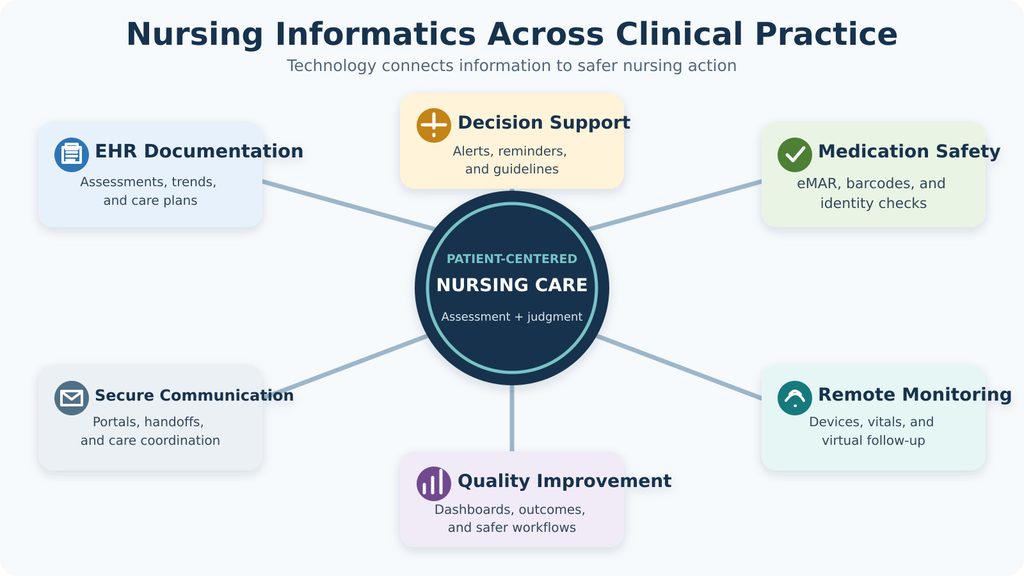
Nursing informatics combines nursing science, computer science, and information science to collect, manage, and communicate health information to support clinical decision-making (American Nurses Association [ANA], 2023). It allows nurses to use technology to improve patient care, promote safety, and communicate effectively with other healthcare professionals.
Electronic Health Records and Nursing Documentation
Electronic health records (EHRs) are an important part of nursing informatics. Nurses use EHRs to document patient assessments, vital signs, medications, interventions, and responses to treatment. These records allow healthcare professionals to access important patient information and coordinate care. Accurate and timely documentation helps nurses recognize changes in a patient’s condition and communicate important findings to the healthcare team (ANA, 2023).
How Nursing Informatics Promotes Patient Safetey
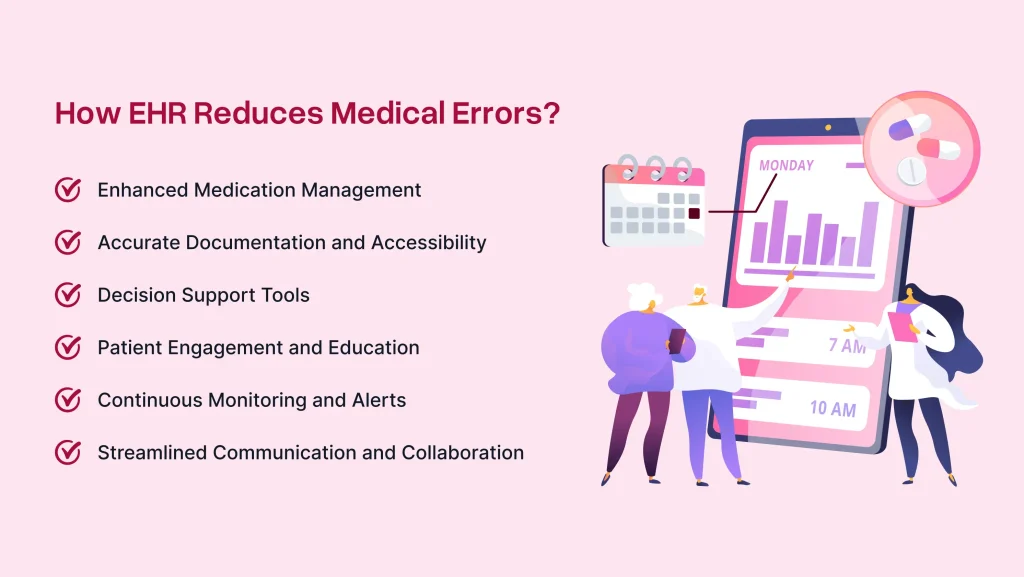
Nursing informatics can improve patient safety through electronic medication administration records (eMARs), barcode medication administration, and clinical decision support systems. These technologies help nurses verify medication orders, identify potential medication interactions, and reduce the risk of error. However, technology does not replace nursing judgment. Nurses must continue to assess patients, verify information, and recognize when electronic information may be inaccurate or incomplete (Agency for Healthcare Research and Quality [AHRQ], n.d.).
Another important aspect of nursing informatics is protecting patient confidentiality. Nurses must follow organizational policies and privacy regulations when accessing, documenting, and sharing patient information. Electronic systems should only be accessed by authorized individuals and patient information should be shared only with those involved in providing care.
Real-World Example
A nurse caring for a patient who develops a sudden change in mental status can use the EHR to review the patient’s baseline condition, recent medications, vital signs, and laboratory results. This information can help the nurse recognize a potential problem, notify the provider, and document the interventions performed. Nursing informatics supports this process by making relevant patient information available to the healthcare team.
Clinical Decision Support in Emergency Nursing
Nursing informatics is especially important in emergency departments, where timely decision-making can directly affect patient outcomes. Electronic health record systems, such as Epic, provide clinical decision support tools that help nurses and physicians coordinate care and respond to time-sensitive emergencies.
For example, standardized ST-elevation myocardial infarction (STEMI) order sets help organize diagnostic testing, medications, and treatment interventions for patients experiencing a heart attack. These tools support communication among healthcare professionals, promote consistency in care, and help reduce delays in treatment (American Heart Association, 2025). However, nurses must continue to use clinical judgment and follow established protocols when caring for critically ill patients.
DID YOU KNOW?
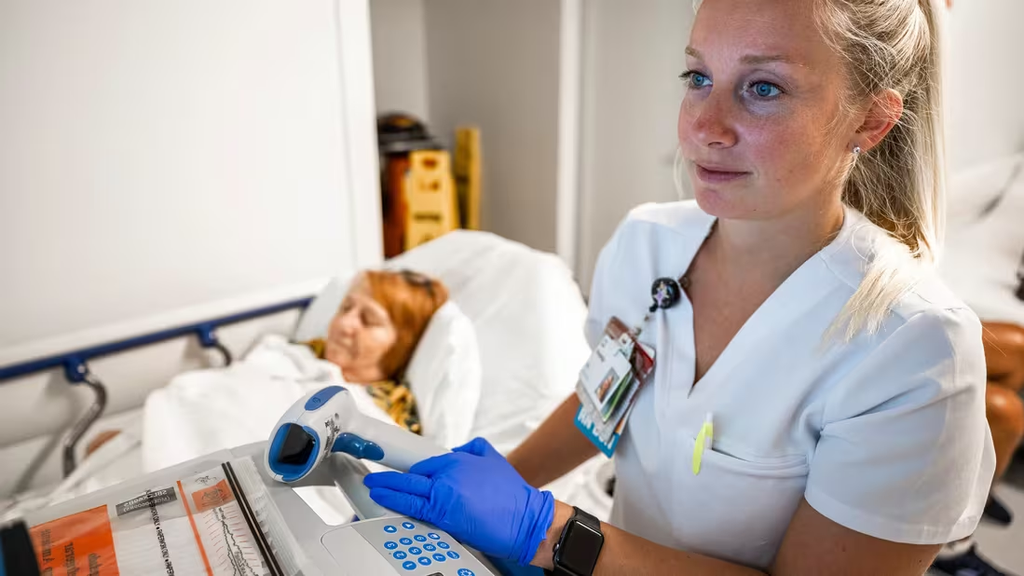
Barcode medication administration (BCMA) technology helps nurses verify the correct patient and medication before administration. By scanning a patients wristband and medication barcode, nurses can identify potential medication errors and improve patient safety.
Remote Monitoring
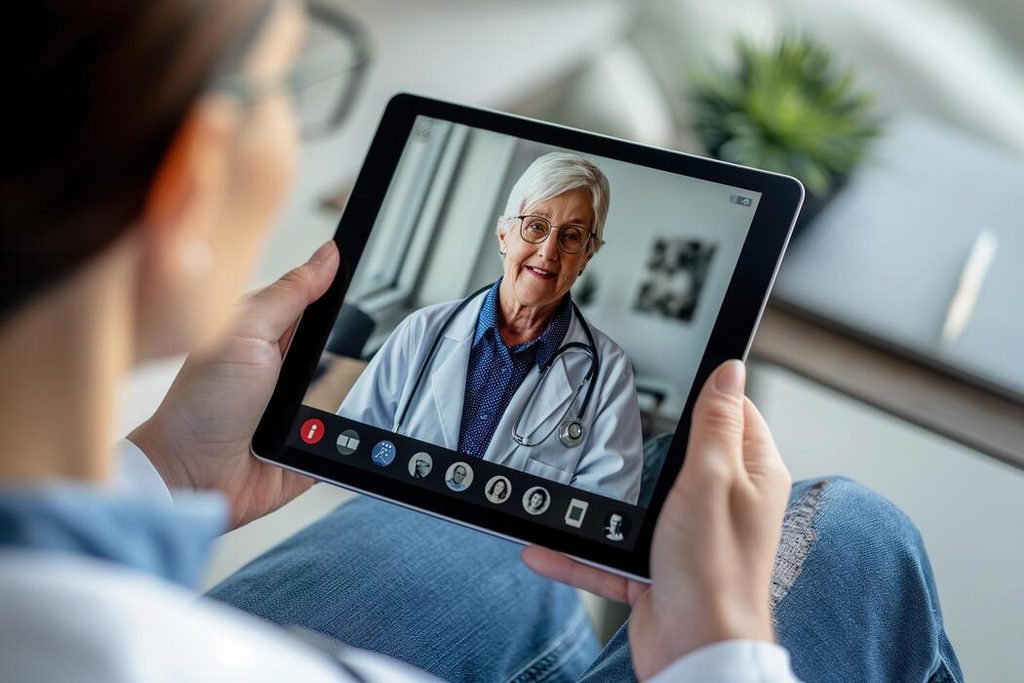
Remote patient monitoring is the measurement and/or transmitting of patient data to a monitoring center or healthcare professional (NCTRC, 2021). Two types of telehealth monitoring: synchronous and asynchronous. A synchronous approach is done in real time with a camera and microphone; asynchronous is considered a form of “store and forward” because the data is collected and then sent to the healthcare provider. Other forms of remote monitoring include portable monitoring devices, self-monitoring with mobile devices, and automatic pill dispensers.
Challenges and Limitations of Nursing Informatics
Although nursing informatics offers many benefits, technology can also present challenges in clinical practice. One concern is alert fatigue, which occurs when nurses receive excessive electronic notifications and may become less responsive to important warnings. Electronic health record (EHR) downtime, technical difficulties, and lengthy documentation requirements can also interrupt workflows and take valuable time away from direct patient care. Additionally, incomplete or inaccurate patient information can affect clinical decision-making. These challenges are especially significant in fast-paced environments, where timely interventions are critical. While technology supports patient safety and efficiency, nurses must continue to use critical thinking, verify information, and rely on their clinical judgment rather than depending entirely on electronic systems (Agency for Healthcare Research and Quality, 2018).
Benefits of Nursing Informatics in Patient Care
Nursing informatics plays an important role in improving patient safety and quality of care. By using a combination of both nursing knowledge and technology, nurses can access important patient information, make clinical decisions, and provide more efficient care. Some examples include:
Improved Patient safety
Through the use of the electronic health record, barcode medication administration, and clinical alerts, nurses are able to identify potential safety concerns before they can cause harm. For example, scanning a patient’s wristband and medication before administration provides an extra safety check to help prevent medication errors.
Better Communication and Coordination of Care
Patient information can be shared more effectively. The electronic health record allows nurses, physicians, and other care members to review patient medications, assessments, notes, and treatment plans. This allows everyone to stay informed about changes in the patient’s condition and supports continuity of care.
Interoperability and Continuity of Care
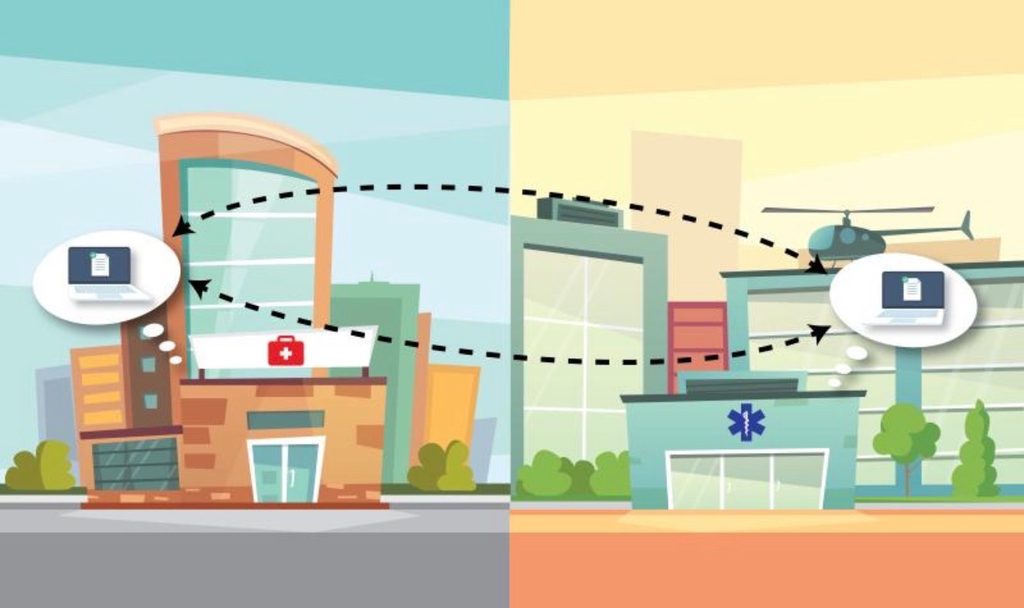
Another important aspect of nursing informatics is interoperability, which allows different healthcare systems to securely exchange patient information. This is especially valuable in emergency departments, where patients may arrive with limited medical histories or have recently received care at another facility. Electronic health record systems, such as Epic, offer tools like Care Everywhere that allow healthcare professionals to access available records from participating organizations, including previous diagnoses, medications, allergies, laboratory results, and imaging reports. Having this information readily available helps nurses and providers make informed decisions, avoid unnecessary duplicate testing, and maintain continuity of care when patients transition between healthcare facilities (Epic Systems Corporation, n.d.).
Improved Patient Education
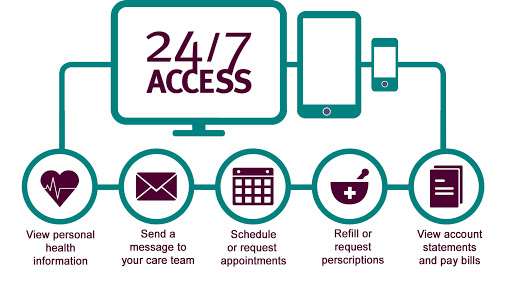
Nursing informatics can help patients become involved in their healthcare. Patient portals allow patients to view notes, test results, and medications, as well as communicate with their healthcare team. This access can help patients understand their health conditions, participate in decisions about their care, and improve adherence to the plan of care (Carini et al., 2021).
Key Takeaways
In conclusion, nursing informatics is an essential part of modern healthcare that combines nursing knowledge and technology to improve patient safety, communication, and quality of care. From electronic health records and barcode medication administration to clinical decision support, remote patient monitoring, and interoperability between healthcare systems, technology provides nurses with valuable tools to make informed decisions, maintain continuity of care, and deliver timely, effective care. Despite challenges such as alert fatigue, technical difficulties, and documentation demands, nurses must remain knowledgeable in using these technologies while maintaining critical thinking, patient privacy, and the personal connection that is so important to nursing practice. Ultimately, nursing informatics supports nurses in providing safer, more efficient, and patient-centered care.
References
Agency for Healthcare Research and Quality. (2018). Electronic health records. PSNet. https://psnet.ahrq.gov/primer/electronic-health-records
Agency for Healthcare Research and Quality. (n.d.). Medication administration errors. PSNet. https://psnet.ahrq.gov/primer/medication-administration-errors
American Heart Association. (2025, February 27). 2025 ACC/AHA/ACEP/NAEMSP/SCAI guideline for the management of patients with acute coronary syndromes. https://professional.heart.org/en/science-news/2025-guideline-for-the-management-of-patients-with-acute-coronary-syndromes
American Nurses Association. (2023, July 5). What is nursing informatics? https://www.nursingworld.org/content-hub/resources/nursing-resources/nursing-informatics/
Carini, E., Villani, L., Pezzullo, A. M., Gentili, A., Barbara, A., Ricciardi, W., & Boccia, S. (2021). The impact of digital patient portals on health outcomes, system efficiency, and patient attitudes: Updated systematic literature review. Journal of Medical Internet Research, 23(9), e26189. https://doi.org/10.2196/26189
Epic Systems Corporation. (n.d.). Interoperability. https://www.epic.com/software/interoperability/
Miller, K. (2025). Informatics and nursing: Opportunities and challenges. Wolters Kluwer.
Attachments
| File | Size | Added |
|---|---|---|
| Screenshot | 115 KB | Nov 9, 2026 |
| sc | 2 KB | Nov 9, 2026 |
| image | 116 KB | Nov 3, 2026 |
| image | 638 KB | Nov 3, 2026 |
Leave a Reply
You must be logged in to post a comment.