Group 3 Members: Mariah C., Jenna C., Haylee C., Ariona, Deepika, Carolina
Nursing Informatics
What Is Nursing Informatics?
Nursing informatics is a specialty that combines nursing science, information science, and computer science to manage and communicate health information. The goal of nursing informatics is to improve patient care, enhance communication among healthcare professionals, and support clinical decision-making through the effective use of technology. Nurses use informatics in daily practice through electronic health records (EHRs), medication administration systems, and clinical decision-support tools that help improve patient safety and quality of care.
The American Nurses Associations recognizes nursing informatics as an important part of professional nursing practice. It is described as a discipline that connects nurses’ clinical knowledge with technology information systems. (American Nurses Association [ANA], 2023)
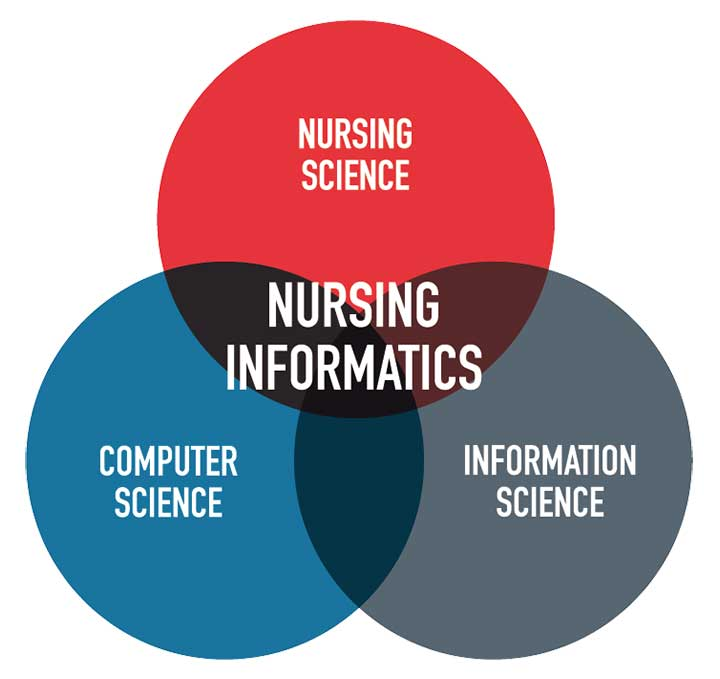
Figure 1. Components of Nursing Informatics
This diagram illustrates how nursing informatics integrates nursing science, computer science, and information science to support the management and communication of healthcare information. The combination of these disciplines helps nurses use technology effectively to improve patient outcomes, support evidence-based practice, and enhance the quality and safety of care (Miller, 2025)
Nursing informatics has evolved significantly over time. In the past, most clinical information was documented on paper charts. Today, nurses use Electronic Health Records (EHRs), which are computerized systems that support medication administration, clinical documentation, communication of critical values, and data analysis. These systems improve access to patient information, streamline documentation, and enhance communication among healthcare professionals (Miller, 2025).
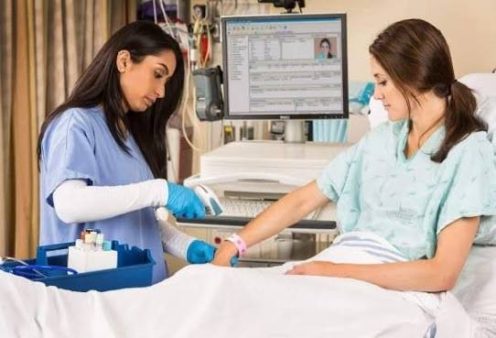

Fig 2, 3 Two images, showing nursing staff using paper charting and EHR software.
- Picture above shows Barcode Medication Administration
Why Is Nursing Informatics Important?
Nurses use patient information constantly during their shifts. Whether they are checking medications, looking at lab results, or documenting a change in a patient’s condition, having access to accurate information makes a difference. It also helps nurses communicate with other members of the healthcare team and make decisions about patient care (Miller, 2025).
Electronic health records make it easier for healthcare professionals to find the information they need instead of having to look through paper charts or contact different departments.
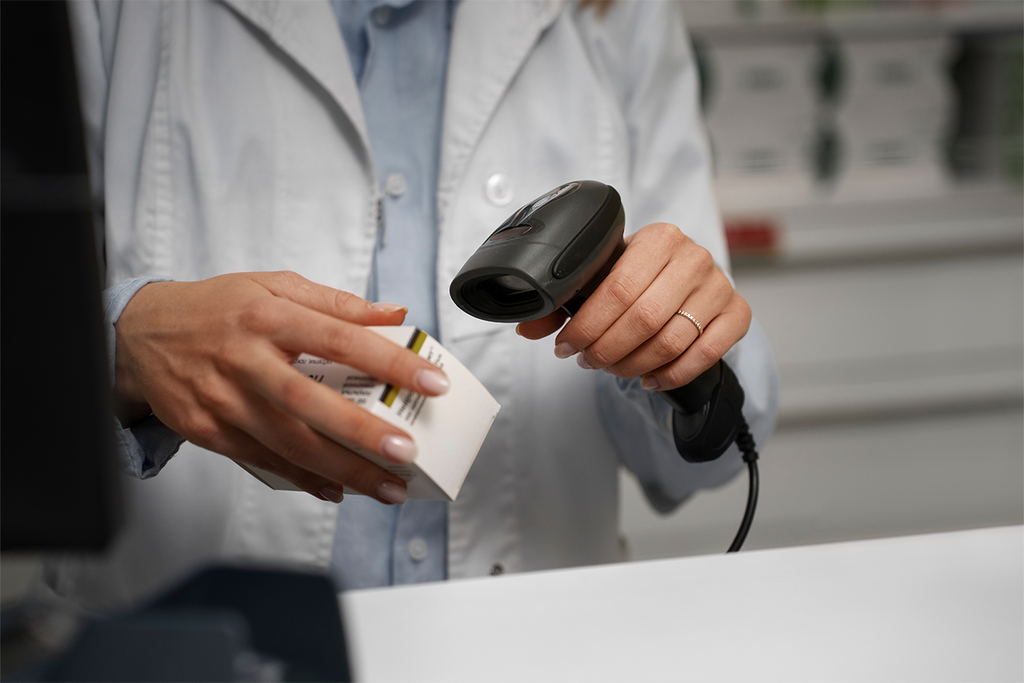
A specific example is barcode medication administration. Before giving a medication, the nurse scans the patient’s identification band and the medication matches the order. This adds safety check and can reduce medication errors. Nurses can also use EHR to review vital signs and laboratory results over a period of time, recognize concerning trends, and communicate with the healthcare team. These examples show how informatics support safer, timely, and coordinated patient care (ANA, 2023).
This is particularly important when several providers are involved in a patient’s care. At the same time, the information needs to be entered correctly and kept up to date to avoid mistakes (Miller, 2025; ONC, 2025).
Nurses can also use collected data to see what is working and what needs improvement.
For example, hospitals can review patient outcomes and identify patterns that may point to problems in care. This information can be used to support evidence-based practice and improve nursing care (Miller, 2025).
A Theory Supporting Informatics
The Data, Information, Knowledge, and Wisdom model is one theory.
- Data : objective facts, not interpreted
- “Basic level of informatics” Miller, K. S (2023)
- Information : interpreted data
- Knowledge : learned knowledge and application
- Wisdom : “knowing when and how to apply knowledge to a situation”. Miller, K. S (2023)
Informatics requires data to be recorded and then be interpreted. It allows nurses to apply their knowledge and wisdom. When creating safer practices and clinical decision tools, it requires this theory to be a guideline for care such as, alerting nurses to institute protocols based off the provided charted data.
What are the Common Applications of Nursing Informatics?
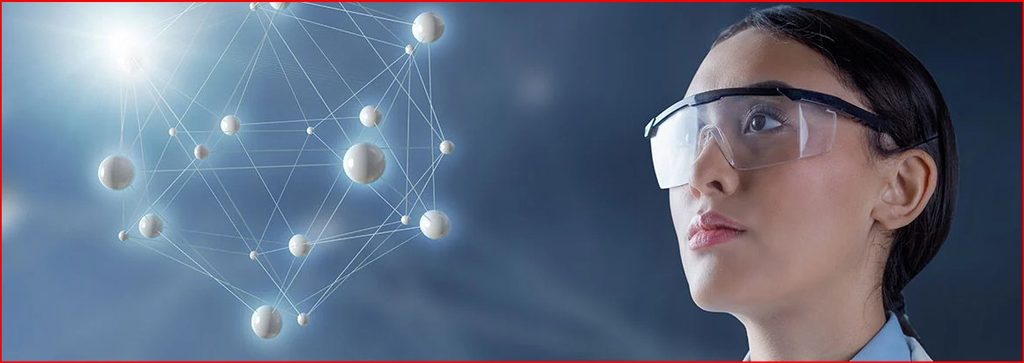
An informatics nurse works in various settings to aid in using information systems. They may find ways to optimize an organization’s current EHR system. The role of the informatics nurse can vary depending upon the health care setting and the organization, but it’s rooted in system design and implementation, education, research, and quality improvements.
Different Roles in Nursing Informatics:
- Nursing Informatics Specialist
- Clinical Informatics Nurse
- Informatics Nurse Consultant.
Informatics Nurse helps from system design, system selection, project management, and workflow design. Once the system is live, how to optimize the use of EHR is also handled by Informatics Nurse and taking future decisions to keep the system up to date and upgrading it from time to time also lies with Nursing Informatics Specialist.
One example is a nurse who becomes a super user during the implementation of a new EHR. Super users receive additional training and help other nurses learn the system, answer questions, and report problems that need to be addressed.
Examples of Nursing Informatics in Clinical Nursing Practice
Nursing informatics plays an important role in everyday patient care. It combines nursing knowledge with technology to help nurses make better decisions, communicate with other healthcare professionals, and keep patients safe. As nurses, we use technology throughout shifts, to help make patient care easier, safer and less time-consuming. Some common examples include electric health records, barcode medication scanning, electronic medication scanning, electronic medication orders, and patient monitoring systems.
- Barcode Medication administration
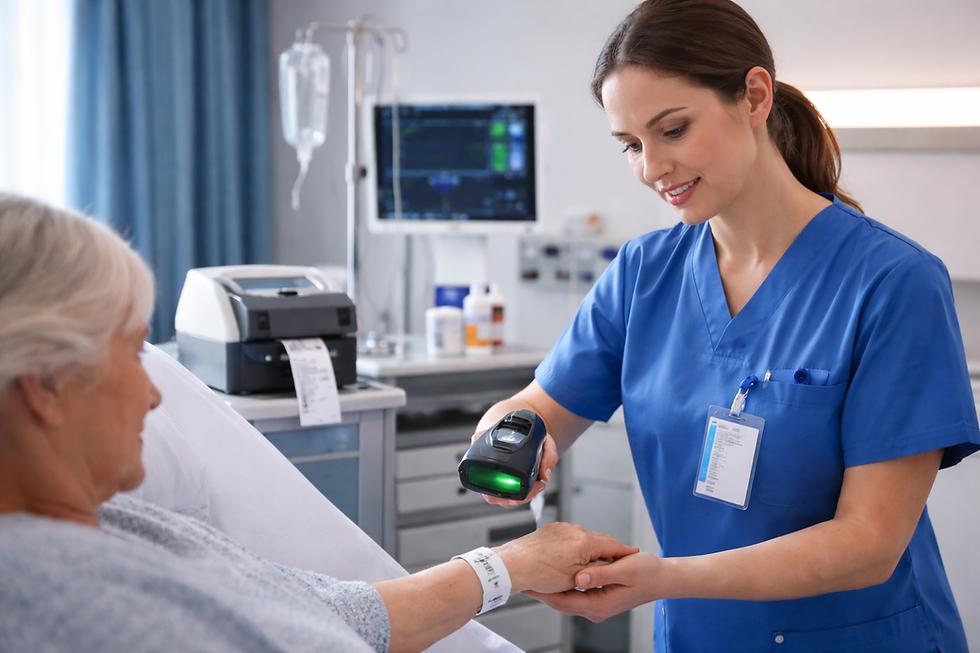
One example of nursing informatics that I find especially important is barcode medication administration. Before Giving medications, Nurses scan the patient wrist band and the medication to make sure they match the electronic medication admiration record.
I believe this technology is very helpful because nurses are often responsible for several patients at once, and medications errors can happen. For example, if a nurse accidentally picks up a medication intended for another patient, the scanning system can alert the nurse before the medication is given.
According to Poon et al. (2010), barcode medication reduced medication errors unrelated to timing by 41.4% and potential adverse drug events by 50.8%. This shows technology can help prevent mistakes and improve patient safety.
2. Electronics Health Records
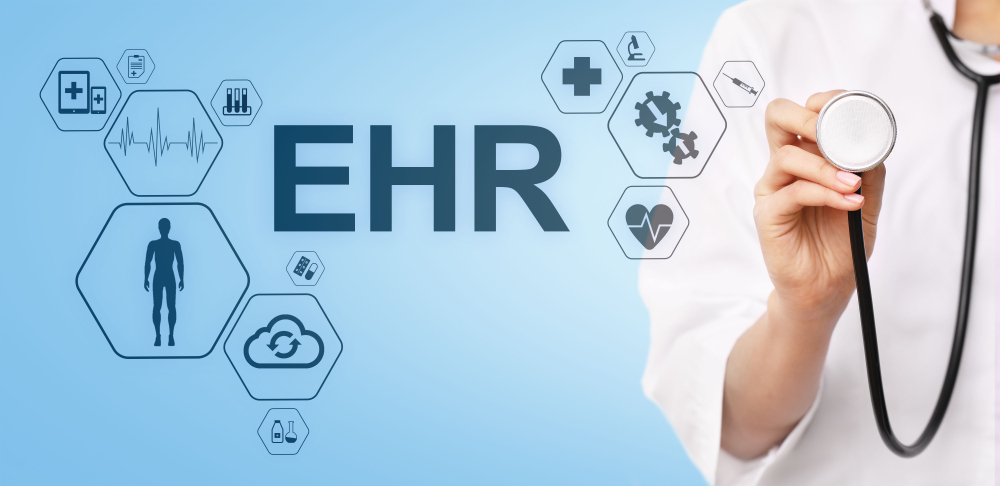
Another example of nursing informatics is the use of electronic health records, such as Epic. Nurses use electronic charting throughout their shifts to document assessment, vital signs, medications, and changes in a patients condition.
For example, when patient has a change in blood pressure or develops new symptoms, the nurse can document the findings in the patient’s chart. Other, members of the healthcare team can review information and use it when making decisions about the patient’s care.
I think electronic charting is helpful because it keeps important information in one place and makes it easier for nurses to communicate. According to the office of the National Coordinator for Health Information technology (ONC,2025), EHRS improve access to patient information and support better coordination of care.
3. Electronic Provider Orders and Lab Results
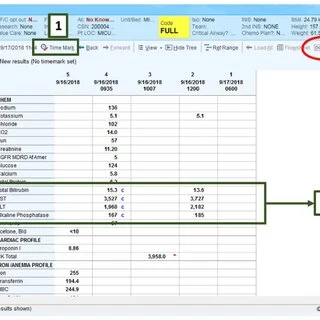
Nurses also use informatics when reviewing electronic provider orders and laboratory results. Instead of relying only on paper orders, nurses can access medications, diagnostic tests and treatment instructions through the patient’s electronic chart.
For example, if a patient has abnormal potassium level, the nurse can review the lab results, asses the patient, notify the healthcare provider, and follow any new orders. This is extremely important because recognizing abnormal lab values early can help prevent serious health complications.
The Future of Nursing Informatics
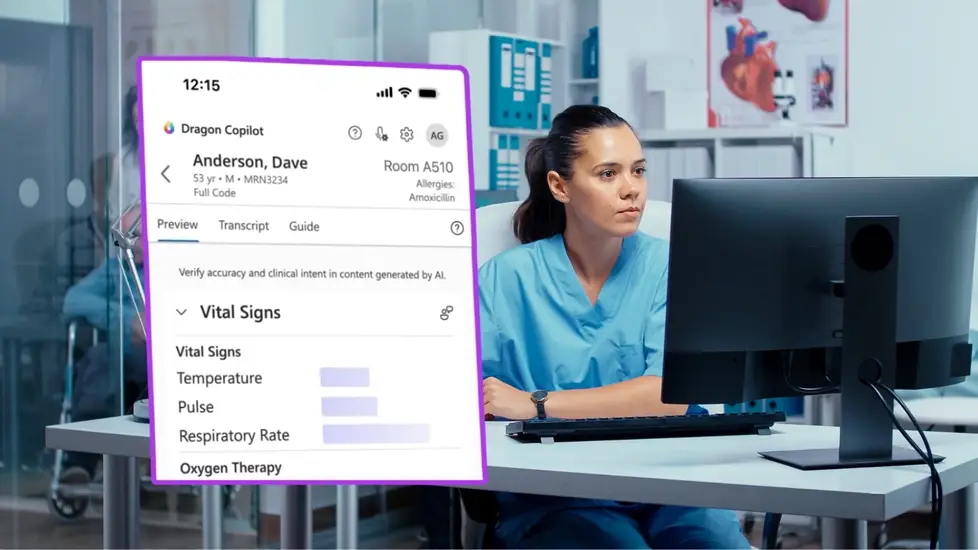
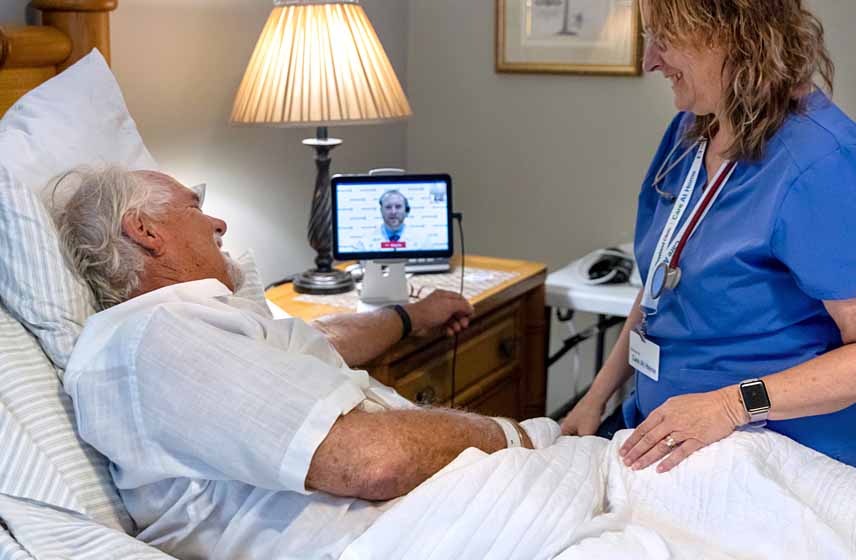
Healthcare technology keeps changing, and nurses are starting to see more tools like artificial intelligence (AI), telehealth, and remote patient monitoring in their work. These technologies may help nurses manage patient information and spend less time on some routine tasks (Miller, 2024; Nashwan et al., 2025).
AI can review large amounts of data and help identify patterns or possible risks. It may also help with patient documentation and clinical decisions. As these tools become more common, nurses will need to understand how they work and when the information they provide should be questioned (Nashwan et al., 2025).
Even with these changes, nurses will still need to assess their patients and use their own judgment. Technology can be helpful, but it cannot replace the human connection, compassion, and understanding that are part of nursing care. Patient privacy and safety also need to remain a priority when using these tools (Miller, 2024; World Health Organization [WHO], 2021).
References
- American Nurses Association. (n.d.). Nursing informatics. ANA Enterprise. https://www.nursingworld.org/content-hub/resources/nursing-resources/nursing-informatics/
- American Nurses Association. (2023, July 5). What is nursing informatics and why is it so important? https://www.nursingworld.org/content-hub/resources/nursing-resources/nursing-informatics/
- Miller, K. S. (Ed.). (2025). Informatics and Nursing: Opportunities and Challenges (7th ed.). Wolters Kluwer.
- Nashwan, A. J., Cabrega, J. C. A., Othman, M. I., Khedr, M. A., Osman, Y. M., El-Ashry, A. M., Mousa, R. N., & Mousa, A. A. (2025). The evolving role of nursing informatics in the era of artificial intelligence. International Nursing Review, 72(1), e13084. https://doi.org/10.1111/inr.13084
- Office of the National Coordinator for Health Information Technology. (2025, December 10). Benefits of EHRs. https://healthit.gov/health-it-basics/benefits-ehrs/
- World Health Organization. (2021). Ethics and governance of artificial intelligence for health: WHO guidance. https://www.who.int/publications/i/item/9789240029200
- Office of the National Coordinator for Health Information Technology. (n.d.). Clinical decision support. https://healthit.gov/clinical-quality-and-safety/clinical-decision-support/
- Office of the National Coordinator for Health Information Technology. (n.d.). Electronic health records and their benefits. https://healthit.gov/health-it-basics/benefits-ehrs
- Office of the National Coordinator for Health Information Technology. (n.d.). Improve care coordination. https://healthit.gov/health-it-basics/improve-care-coordination/
- Poon, E. G., Keohane, C. A., Yoon, C. S., Ditmore, M., Bane, A., Levtzion-Korach, O., Moniz, T., Rothschild, J. M., Kachalia, A. B., Hayes, J., Churchill, W. W., Lipsitz, S., Whittemore, A. D., Bates, D. W., & Gandhi, T. K. (2010). Effect of bar-code technology on the safety of medication administration. The New England Journal of Medicine, 362(18), 1698–1707. https://doi.org/10.1056/NEJMsa0907115
Attachments
| File | Size | Added |
|---|---|---|
| baa912b77adf85b9e493376eeceaee2a | 31 KB | Nov 8, 2026 |
| hospital-care-at-home-feature | 41 KB | Nov 8, 2026 |
| 7eea7a32-8717-4d6d-9c78-8c78dca5f780 | 2 MB | Nov 8, 2026 |
| paper chart | 55 KB | Nov 4, 2026 |
| paper chart | 40 KB | Nov 4, 2026 |
| wiki_image | 79 KB | Nov 4, 2026 |
Leave a Reply
You must be logged in to post a comment.