Group 4 Members: Eriane, Oluwanifemi, Maysoon, Megan F, Katie G, Megan G, Tanika H
Nursing Informatics: Connecting Nursing, Information, and Technology
What Is Nursing Informatics?
Nursing informatics is a specialty that combines nursing knowledge with information and technology to improve the way healthcare information is collected, managed, communicated, and used. Although technology is an important part of informatics, nursing informatics is not simply about using computers. Its primary focus is information management and using information effectively to support nursing practice and patient care. The American Heart Association describes nursing informatics as a specialty that uses technology to improve health and healthcare equity, safety, quality and outcomes (American Nurses Association, 2023).
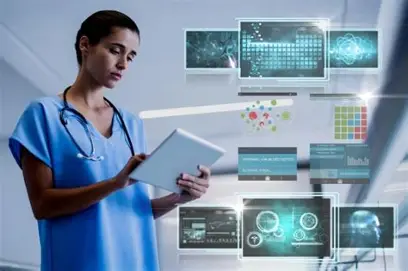
Nursing Informatics in Clinical Practice
Nurses use informatics throughout nearly every shift, sometimes without realizing it. Common examples include:
- Electronic Health Records (EHRs): documenting assessments, vital signs, medications, wounds, intake/output, and nursing interventions. EHRs allow healthcare professionals to access patient information and communicate important clinical information.
- Electronic Medication Administration Records (eMARs): reviewing medication orders and documenting medication administration.
- Barcode Medication Administration (BCMA): scanning the patient’s identification band and medication before administration to help verify that the medication matches the electronic order. This helps reduce medication errors and promotes patient safety.
- Clinical Decision Support: receiving electronic alerts for allergies, medication interactions, abnormal results, or other potential safety concerns.
- Electronic provider orders: allowing nurses to access current orders for medications, treatments, laboratory tests, and other care.
- Patient portals: allowing patients to access health information, test results, appointments, and communication tools.
- Telehealth: using technology to communicate with and assess patients remotely.
- Patient Monitoring: Nurses use technology to continuously monitor vital signs, cardiac rhythms, and oxygen saturation. This allows nurses to notices changes in patients conditions faster.
From Data to Wisdom: DIKW
The technology provides data, but the nurse still uses assessment skills, clinical judgment, and nursing knowledge to determine what that information means for the patient.
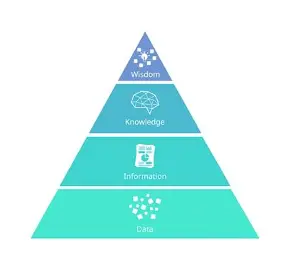
For example:
Data: individual facts that have not been interpreted.
A patient’s blood pressure is 86/48 mmHg.
⬇️
Information: data that has been organized and given context.
The blood pressure is significantly lower than the patient’s previous readings.
⬇️
Knowledge: information combined with nursing education, evidence, and clinical understanding.
The nurse recognizes that hypotension may indicate a change in the patient’s condition.
⬇️
Wisdom: The nurse assesses the patient, reviews other relevant findings, takes appropriate nursing actions, and communicates the change in condition according to clinical protocols.
Informatics Nurse – Roles and Responsibilities
The world of informatics can be seen in every aspect of the healthcare field. Technology use in practice has increased over the years, and informatics nurses play a large role in the implementation and improvement of these systems used every day. They also play an important role in analyzing data to improve patient care and safety. An informatics nurse is a registered nurse who combines clinical nursing knowledge with knowledge of technology and information systems. They often don’t require any special certifications, but usually do have a graduate level degree. The need for informatics nurses is increasing, and is expected to grow by 15% by 2031 (Miller, 2025). These nurses don’t just work in the hospital setting. This field offers many career opportunities like ambulatory care, government and military facilities, consulting firms, and colleges (Miller, 2025).
Career Opportunities:
- Clinical Analyst
- Chief Nursing Informatics Officer
- EHR Implementation Manager
- Quality Improvement Specialist
Responsibilities:
- System Development
- System Implementation
- System Optimization
- Change/Control Management
- Quality Control
- Project Management
Nursing informatics in the Emergency Department
Nursing informatics is very important especially fast paced environments such as the emergency department. As an ED nurse, it is key to quickly collect and document patient information while also communicating with physician’s, other nurses, lab, radiology, pharmacy, etc.
For example, when an emergency department patient arrives with chest pain, nursing informatics involve:
- vital signs
- assess findings in EHR
- review PMH and meds taken, labs, meds given using barcode scanning
- communicate changes in patient condition electronically
- document triage information
- provide discharge instructions
Data Analysis and Quality Improvement
Nurse and Informatics professionals can analyze patient data to identify trends and improve healthcare quality. For example, a hospital could analyze data related to falls, pressure injuries, medication errors, infection rates, or patient readmissions. The information can then be used to identify areas where nursing practice or hospital processes could be improved (Miller, 2025).
Data Analysis: Turning Patient Data Into Better Care
Healthcare produces enormous amounts of data. Nursing informatics helps healthcare professionals organize and analyze these data so they can be used meaningfully.
Healthcare data can include:
- Structured data – objective, measurable information such as heart rate, blood pressure, temperature, laboratory values, or number of falls.
- Big data – very large collections of structured and unstructured information that can be analyzed to identify relationships, warning signs, trends, and potential outcomes.
- Unstructured data – descriptive or qualitative information such as narrative nursing notes and patient descriptions.
Data analysis supports decision-making, nursing research, evidence-based practice, quality improvement, and patient care.
Example: Fall Prevention
Imagine that a nursing unit collects data showing:
January: 8 falls
February: 7 falls
March: 9 falls
The facility introduces a new evidence-based fall-prevention program.
April: 5 falls
May: 3 falls
June: 2 falls
Technology’s Role in Nursing Informatics
Computers are an integral part of healthcare they are used so much in the workplace that not much thought goes into all that they entail, but anyone who has had their computer/internet go out at work knows the type of panic this can incite
Computer--an electronic device that manipulates information based ona program, software, instructions. Sounds simple enough, but they are so complex.
Computers are made up of multiple parts consisting of two categories hardware and software.
Hardware being the parts of the computer that the you can physically see (well in some cases you have to open up the computer to see and most nurses aren’t doing that) These include:
- Motherboard the part that connects all the hardware together and allows communication of data across
- Central Processing Unit the part that processes our nursing data
- Random Access Memory (RAM) the part that holds our nursing data while we are actively using it think our clinical charting processes when we are signing off medications and treatments
- Storage Drive the part where data is stored on a permanent basis–think our paper emar in the event that the internet or power goes out
Software are the non-physical parts of the computer these are programs, applications etc. We input the data into different software programs and the hardware does the work of deciding how to use said data. Think Epic, PointClickCare, Matrix and even Google.
With the push towards more technology in the world it is important to understand that we aren’t just using computers anymore for our nursing technology. We have shifted to smartphones, tablets, even wearable technology all of these are “computers” based off the aforementioned definition and their use in nursing are becoming more prevalent everyday
Professional Characteristics Needed in Nursing Informatics
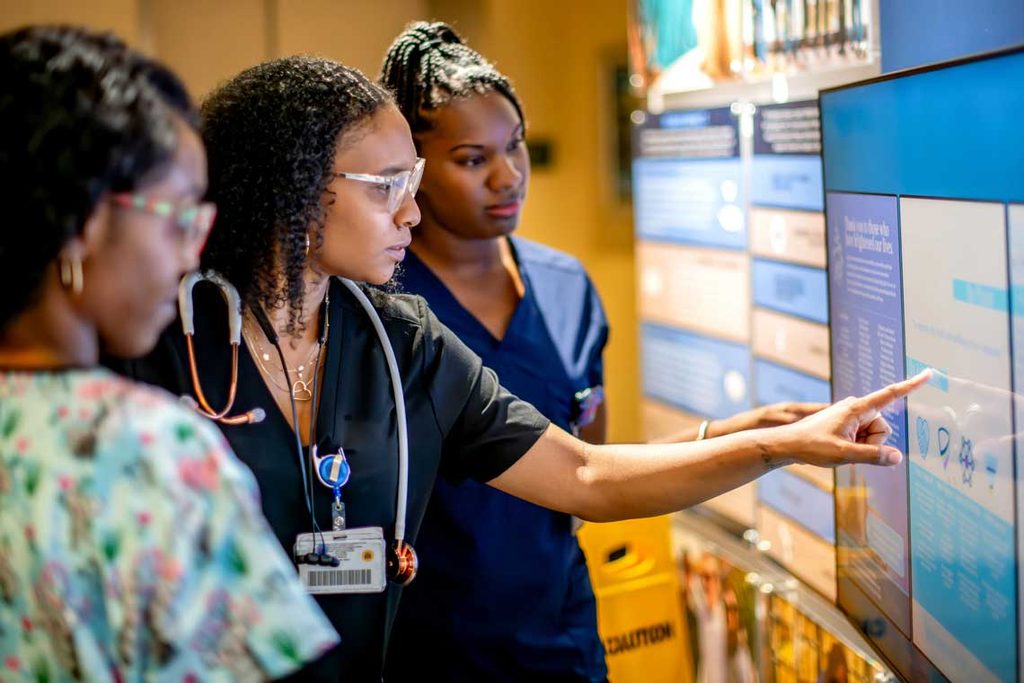
Nursing informatics requires many of the same professional characteristics expected of nurses in clinical practice. Nurses working with health information and technology must demonstrate (Miller, 2025):
- critical thinking
- communicating
- professionalism
- ethical behavior
- attention to detail
- adaptability
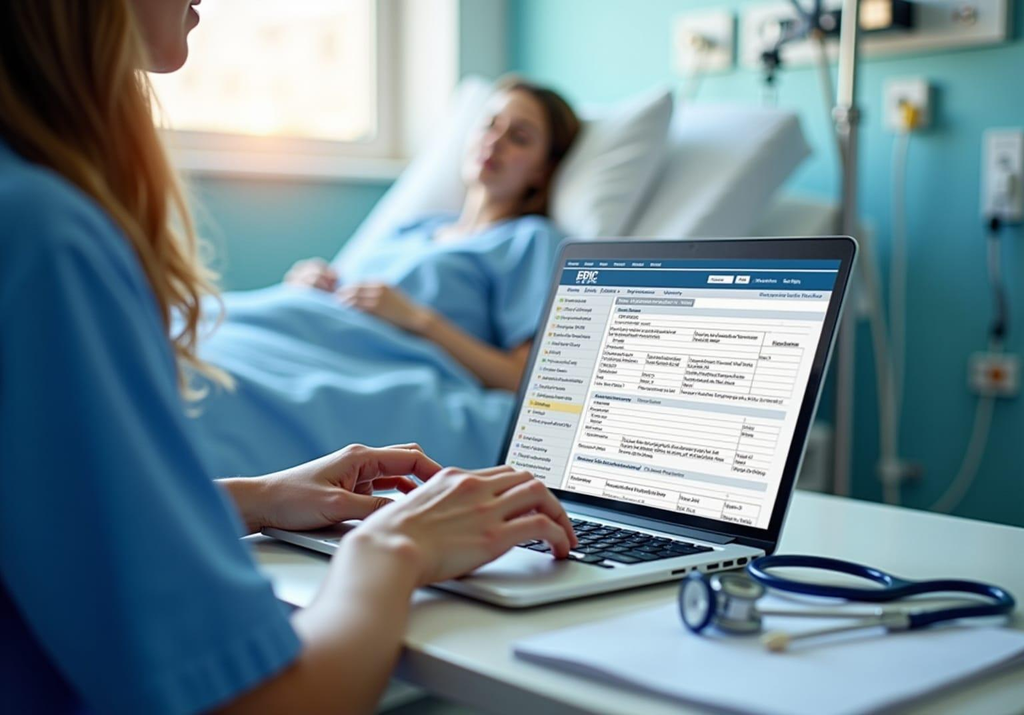
Technology is constantly changing, so nurses must be willing to learn new systems and adapt to changes in healthcare. For example, University Hospitals switched to EPIC over the past couple of years. Nurses and other healthcare providers have had to figure out how to use this new system.
Nursing Informatics in Mental Health and Psychiatric Nursing
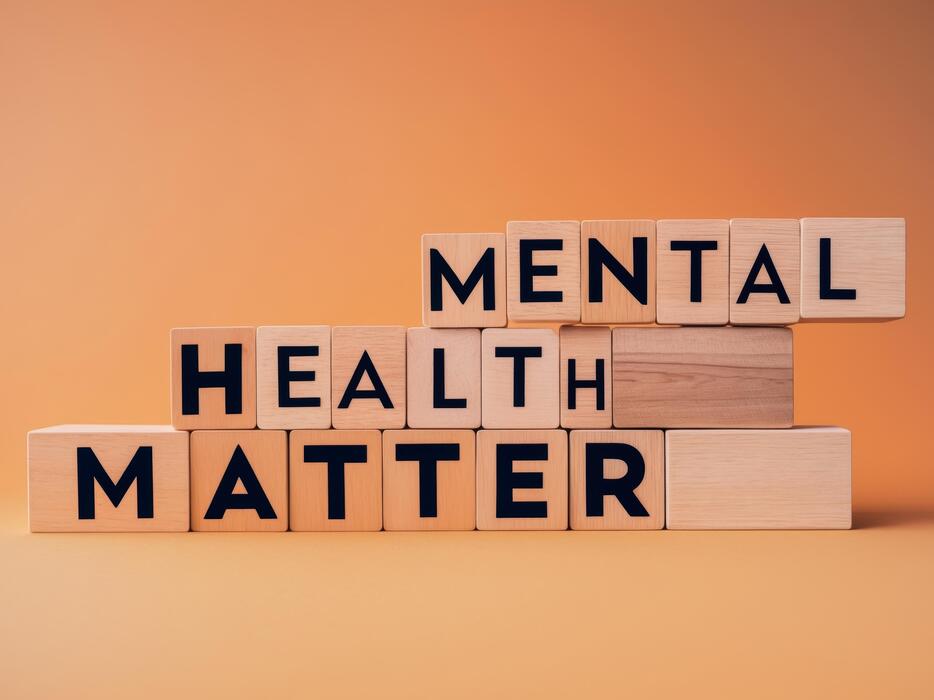
The Role of Informatics in Psychiatric Nursing: Enhancing Care Through Technology
In the specialized field of psychiatric nursing, the complexity of patient data, ranging from subtle shifts in mood and behavior to intricate medication regimens, requires a robust system for management. Nursing informatics serves as the bridge between this complex data and the delivery of high-quality, safe patient care.
Check out this link below:
What is Nursing Informatics? | HIMSS
Here is why informatics is an essential pillar of modern psychiatric practice:
1. Facilitating Interdisciplinary Continuity
Psychiatric care is a collaborative effort involving psychiatrists, social workers, therapists, and nurses. The Electronic Health Record (EHR) acts as a centralized digital repository. By documenting assessments, behavioral observations, and interventions in one location, the entire healthcare team remains aligned. This transparency reduces the risk of fragmented care and ensures that every team member is informed by the most current patient data, which ultimately leads to better decision-making regarding the patient’s care (Miller, 2025).
2. Strengthening Patient Safety
Technology acts as a critical safety net in high-stakes clinical environments. Clinical decision-support systems and electronic medication records provide real-time alerts regarding medication problems, allergies, or other safety concerns. While these systems are powerful, it is important to emphasize that they are tools designed to augment, not replace, the nurse’s professional judgment and clinical assessment skills (Miller, 2025).
3. Improving Clinical Decision-Making
Informatics allows nurses to track longitudinal data, making it easier to identify patterns in behavior, mood, and responses to treatment. By reviewing historical data, nurses can move from reactive care to proactive, evidence-based planning. This data-driven approach allows for more precise adjustments to care plans, which is essential for managing the often fluctuating nature of mental health conditions (Miller, 2025).
4. Upholding Ethical Standards and Privacy
The nature of psychiatric nursing involves the documentation of deeply personal and sensitive information. Informatics provides the framework for secure data management, ensuring that patient privacy is protected through controlled access. Nurses play a vital role in this process, acting as the gatekeepers of patient information and ensuring that data is accessed or shared only when appropriate (Miller, 2025).
Ultimately, nursing informatics is not merely about utilizing technology; it is about leveraging digital tools to stay organized, communicate effectively, and maintain a high standard of safety. By embracing these systems, psychiatric nurses can enhance their ability to provide compassionate, evidence-based care while ensuring the privacy and security of their patients.
Benefits and Challenges in Mental Health Nursing
The integration of informatics within mental health nursing offers significant advantages for clinical practice, though it is not without its inherent challenges.
One of the primary benefits of utilizing electronic health records (EHRs) is the streamlined access to longitudinal patient data. By reviewing documentation from previous shifts, nurses can more effectively track subtle shifts in a patient’s mood, behavioral patterns, or medication response. This data-driven approach allows the interdisciplinary team to make informed, timely adjustments to treatment plans, ultimately enhancing the quality of care (Miller, 2025).
However, the implementation of these technologies introduces specific obstacles. A major concern is “alert fatigue,” where the sheer volume of system-generated notifications can overwhelm nursing staff, potentially leading to the desensitization of critical warnings. To mitigate this, informatics nurses play a vital role in optimizing system interfaces to ensure that alerts remain clinically relevant and manageable. Furthermore, the sensitive nature of psychiatric care necessitates a heightened focus on patient privacy. Because mental health patients disclose deeply personal information, nurses must exercise rigorous ethical judgment and adhere to strict protocols when managing electronic documentation.
In conclusion, while informatics requires careful navigation regarding system usability and data security, it remains an essential tool in modern psychiatric nursing. When implemented effectively, it facilitates better communication and safer clinical outcomes, serving as a support system that complements, rather than replaces, professional clinical judgment.
Impact of Health Care Informatics on Patient Health Care and Safety
Healthcare informatics has significantly changed how nurses provide safe, efficient, and patient-centered care. By integrating technology, clinical information, and nursing knowledge, informatics allows healthcare professionals to access accurate patient information and make informed clinical decisions. Electronic health records (EHRs), electronic medication administration records (EMARs), barcode medication administration, and clinical decision-support systems are examples of technologies that support nursing practice.
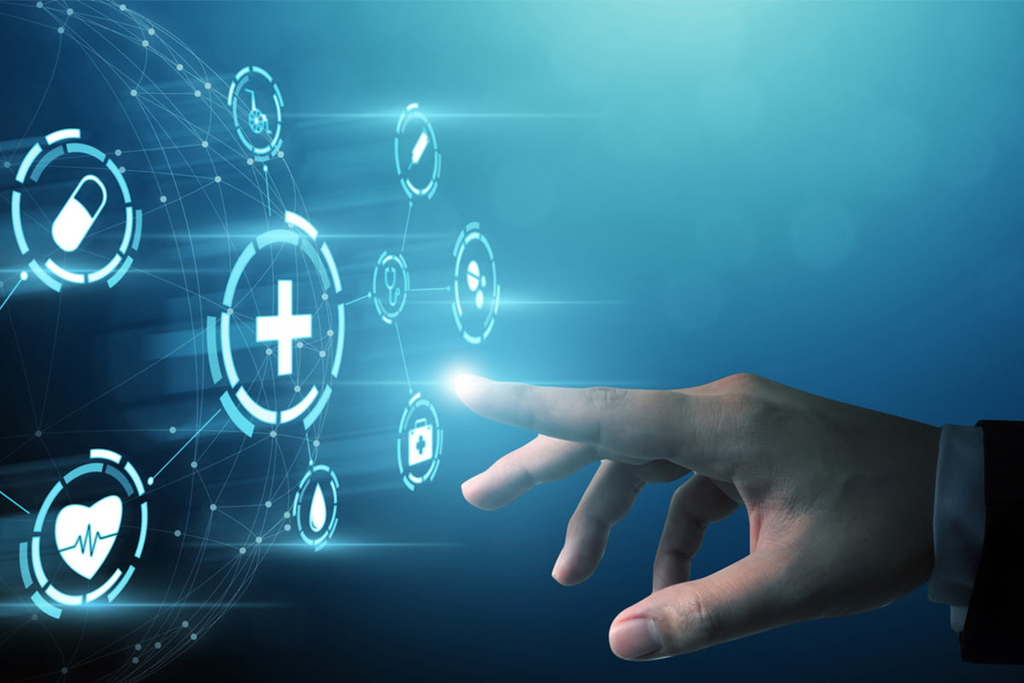
One major impact of healthcare informatics is improved patient safety. EHRs allow nurses to quickly review allergies, medications, laboratory results, vital signs, provider orders, and previous documentation. This accessibility can help nurses identify changes in a patient’s condition and intervene promptly. Barcode medication administration provides an additional safety check by helping nurses verify the correct patient and medication before administration. Clinical decision-support systems can also provide alerts for medication interactions, allergies, abnormal laboratory values, and other potential concerns.
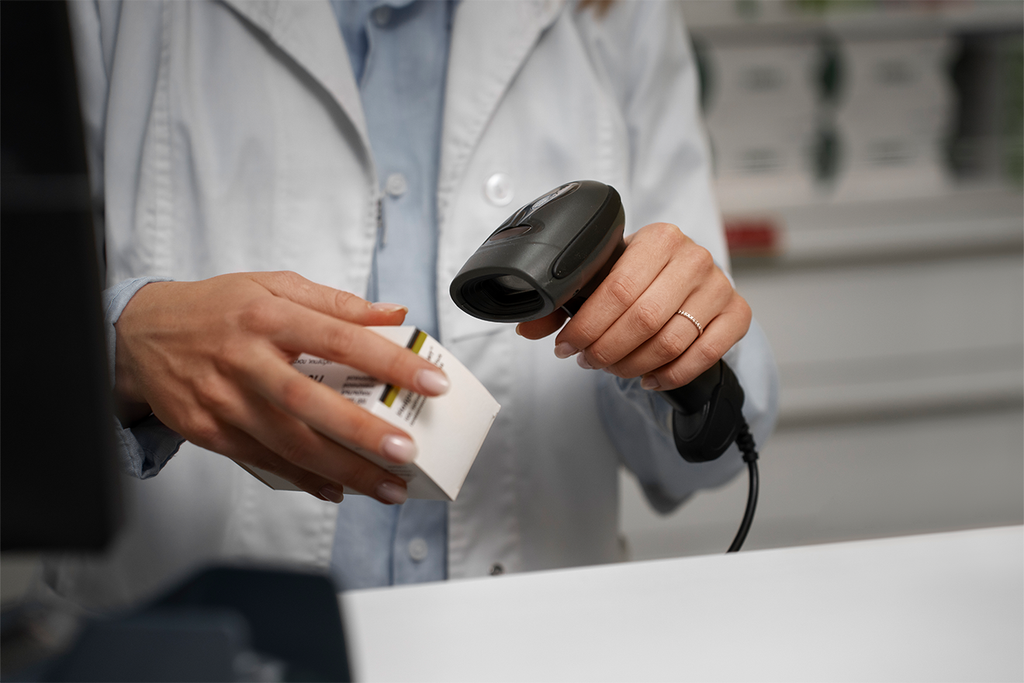
In my nursing practice, I use Epic to review and document patient information and administer medications through the MAR. The medication compatibility feature in Epic is particularly helpful because it allows me to check whether medications can safely be administered through the same IV line or with specific solutions. This provides important information at the point of care and supports safer medication administration.
Check out this link below:
https://www.nursingworld.org/content-hub/resources/nursing-resources/nursing-informatics/?

Although informatics improves access to information and communication, it does not replace nursing assessment or clinical judgment. Nurses must still critically evaluate information, recognize patient-specific needs, and determine appropriate interventions. Overall, healthcare informatics promotes patient safety, accurate documentation, communication, continuity of care, and evidence-based decision-making, making it an essential component of modern nursing practice.
References
Agency for Healthcare Research and Quality. (n.d.). Clinical decision support (CDS). U.S. Department of Health and Human Services.
American Nurses Association. (2023). What is nursing informatics and why is it so important?
Cahill, M., Cleary, B. J., & Cullinan, S. (2025). The influence of electronic health record design on usability and medication safety: Systematic review. BMC Health Services Research, 25, 31.
Course PowerPoint presentations. (2025). Chapters 1, 2, 3, 4, 7, 9, & 11: Informatics and nursing: Opportunities and challenges (7th ed.). Wolters Kluwer.
Healthcare Information and Management Systems Society. (2019, July 3). What is nursing informatics? HIMSS. https://www.himss.org/resources/what-nursing-informatics?
Miller, K. (2025). Informatics and nursing: Opportunities and challenges (7th ed.). Wolters Kluwer.
Attachments
| File | Size | Added |
|---|---|---|
| 1000000527 | 72 KB | Sep 9, 2026 |
| 1000000526 | 84 KB | Sep 9, 2026 |
| image | 9 KB | Sep 9, 2026 |
| nursing informatics | 41 KB | Sep 9, 2026 |
| image | 96 KB | Sep 9, 2026 |
| image | 123 KB | Sep 9, 2026 |
| image | 206 KB | Sep 9, 2026 |
| image | 1 MB | Sep 9, 2026 |
| image | 2 KB | Sep 9, 2026 |
| image | 8 KB | Sep 9, 2026 |
| image | 10 KB | Sep 9, 2026 |


Leave a Reply
You must be logged in to post a comment.