Group 10 Members: Bryanna R, Ashley R, Katy R, Sasha, Edwin, Hollie
Nursing Informatics in Clinical Nursing Practice
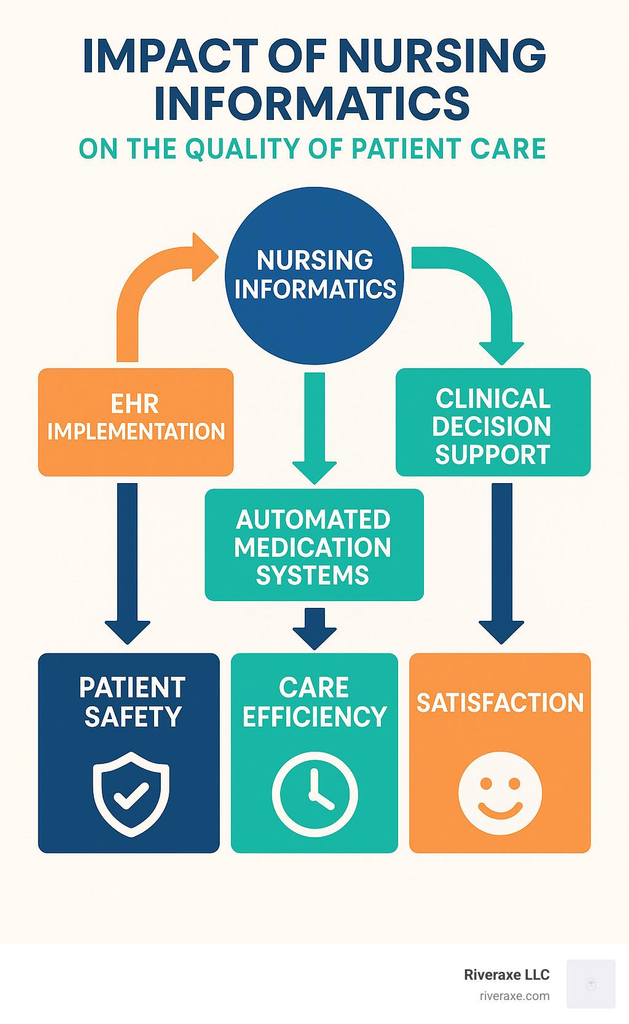
Nursing informatics combines nursing knowledge, patient information, and technology to support documentation, communication, clinical decision-making, patient safety, and quality care.
What is nursing informatics?
Nursing Informatics is used every day in healthcare and is an important part of nursing practice. It is used to collect, document, communicate, and use patient information to improve patient care. Nursing informatics combines nursing knowledge with collected data and computer technology to support clinical decision-making to improve patient care (Sewell, 2019).

In clinical nursing practice nurses use informatics when documenting assessments, reviewing patient’s lab results, administering medications, and communicating with other healthcare members. These are some of the ways nursing informatics can be used in clinical practice:
1. Patient monitoring technology
2. Electronic health records
3. Electronic medication administration records
4. Computerized documentation
5. Electronic communication systems
To learn more about Nursing Informatics, watch this video.
History of Nursing Informatics
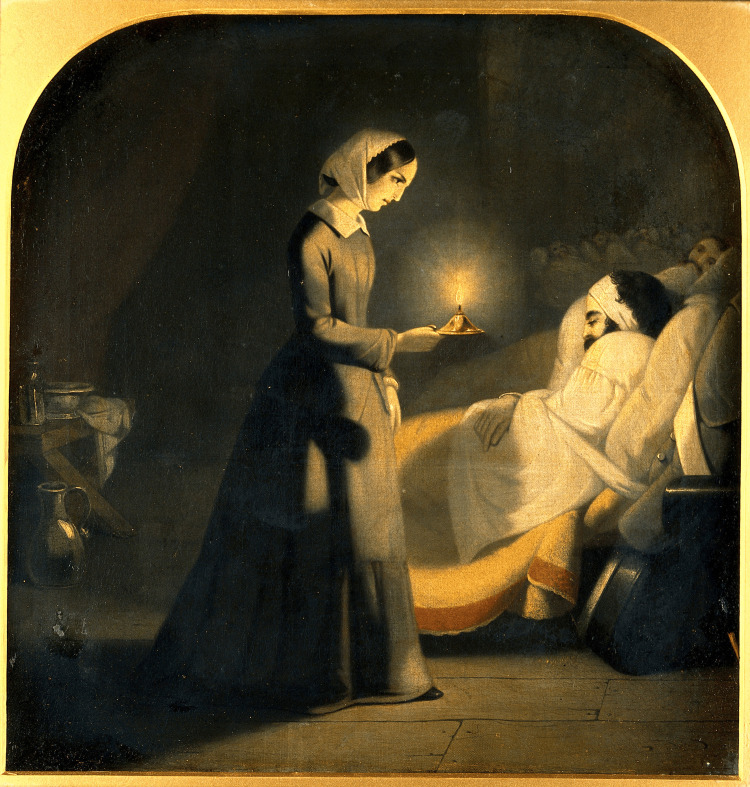
Nursing informatics can be tied all the way back to the mid-1800s, when Florence Nightingale began to utilize data to improve patient infection outcomes, but expanded with the introduction of computers into the healthcare field in the 1950s. However, this early computer use was generally for administrative purposes such as billing and payroll instead of direct patient use.
In the 1980s, medication dispensing machines were beginning to appear in hospitals to reduce medication errors made by nurses. It was at this time when nursing informatics became recognized in the healthcare field and data began to be used to optimize patient outcomes and increase nursing knowledge. (Nashwan et al., 2025).
BENEFITS OF NURSING INFORMATICS
- Improves patient safety through medication alerts and access to important medical information.
- Improves communication among members of the healthcare team
- Provides a faster access to patient information which can support timely nursing decisions.
- Supports clinical decision- making through electronic reminders and clinical support tools.
- Improves documentation by making electronic records easier to read, updated, and access.
- Improves efficiency and care coordination by organizing patient information and allowing multiple healthcare providers to access important patient data.
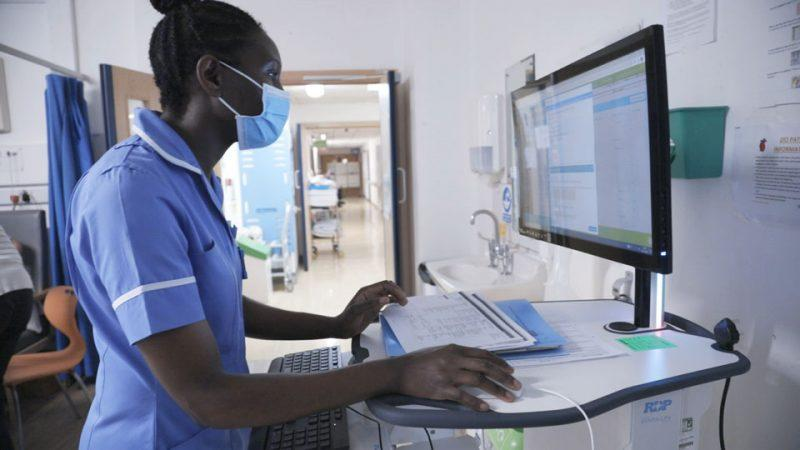
Healthcare workers using electronic health record in a clinical setting. Electronic health records allow nurses to access and document patient information and help with effective communication, care coordination, and patient safety.
Challenges
Although nursing informatics has positively impacted healthcare, there are still some challenges associated with its use. Some challenges of nursing informatics includes:
- Poorly designed systems that interrupt nursing workflow.
- Alert fatigue when nurses receive too many electronic alerts.
- System downtime or technical issues that affect access to patient data.
- Lack of education and training when new technology is introduced
Common Nursing informatics applications
Nursing informatics is a nursing specialty that combines nursing science, computer science, and information science. It is important because it helps use daily patient data to see how we can have better outcomes in the healthcare setting (ANA, 2023)
Examples, and how nurses were involved:
Documentation – Auto populated vital signs are one example. Nurses pointed out that manual vital sign charting was time-consuming and prone to typos. In response, prototypes were brought to the bedside, where nurses tested them and reported back on how the change affected their workflow and whether it actually helped. Hospitals then adopted the technology quickly based on that feedback. Another example probably the most well known is barcode scanning, which helped hospital units significantly reduce medication errors.
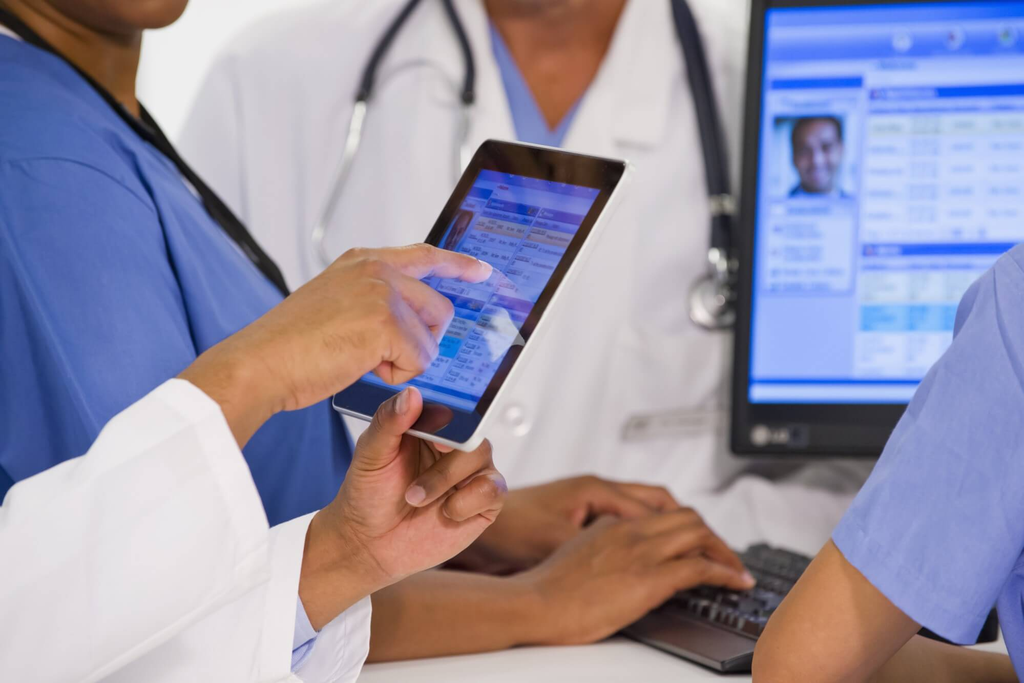
Decision making in the clinical setting – We now also have automated scores and warnings that populate based on data already in the chart. For example, if a patient’s lactic acid labs are trending upward over two or three consecutive draws, the system will automatically flag it, prompting the care team to investigate further so a concerning trend doesn’t get missed. Similarly, built-in scales use existing chart data to calculate scores like fall risk or pressure injury risk, helping guide care decisions without requiring a separate manual assessment.
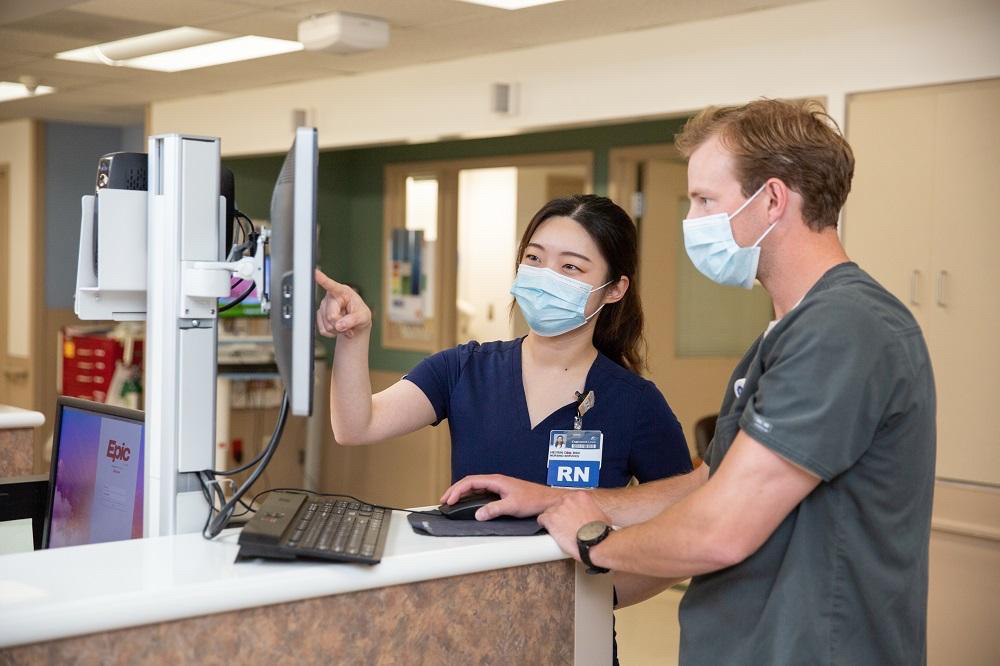
Communication between teams – We now have secure messaging platforms built directly into the workflow, such as EPIC chat, that allow nurses, physicians, pharmacy, and other members of the healthcare team to communicate in real time instead of relying on pages or phone calls. For example, if a nurse needs an order clarified or wants to flag a change in a patient’s status, they can send a message directly to the physician and get a quicker response, instead of waiting on a callback that might not come for 20-30 minutes. This has cut down on delays in care and reduced the back and forth of phone tag between units, especially during busy shifts when everyone is hard to reach. We also have digital whiteboards in patient rooms that sync with patients charts and it shows real time information like care goals, the care team on shift, pain scores, code status, language, etc. This gives everyone thats in the room a baseline understanding of whats going on and cuts down on miscommunication.
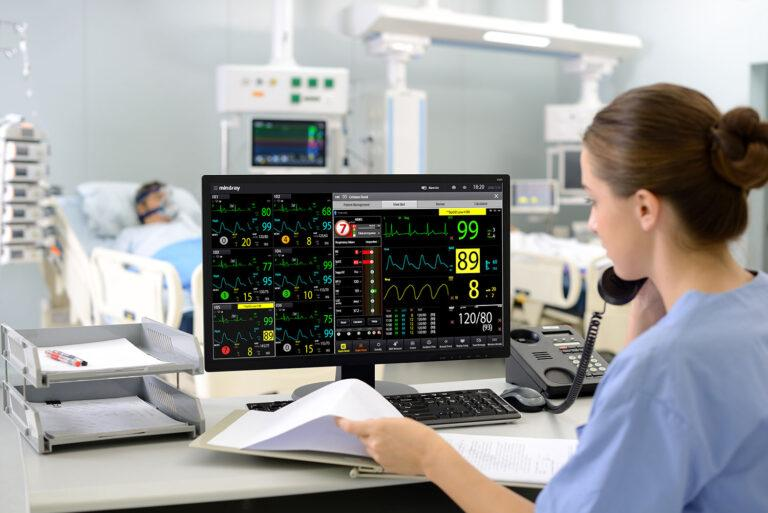
Safety – Nursing informatics provides additional safety measures that can help nurses recognize potential problems before they reach the patient. Electronic health records can provide medication and allergy alerts and allow nurses to quickly review vital signs, laboratory results, medications, provider orders, and changes in a patient’s condition. For example, nurses can use information available in the electronic health record to compare current findings with previous results and identify changes that may require further assessment or intervention. Technology provides an additional layer of safety, but it does not replace physical assessment or nursing judgment (American Nurses Association [ANA], 2023).

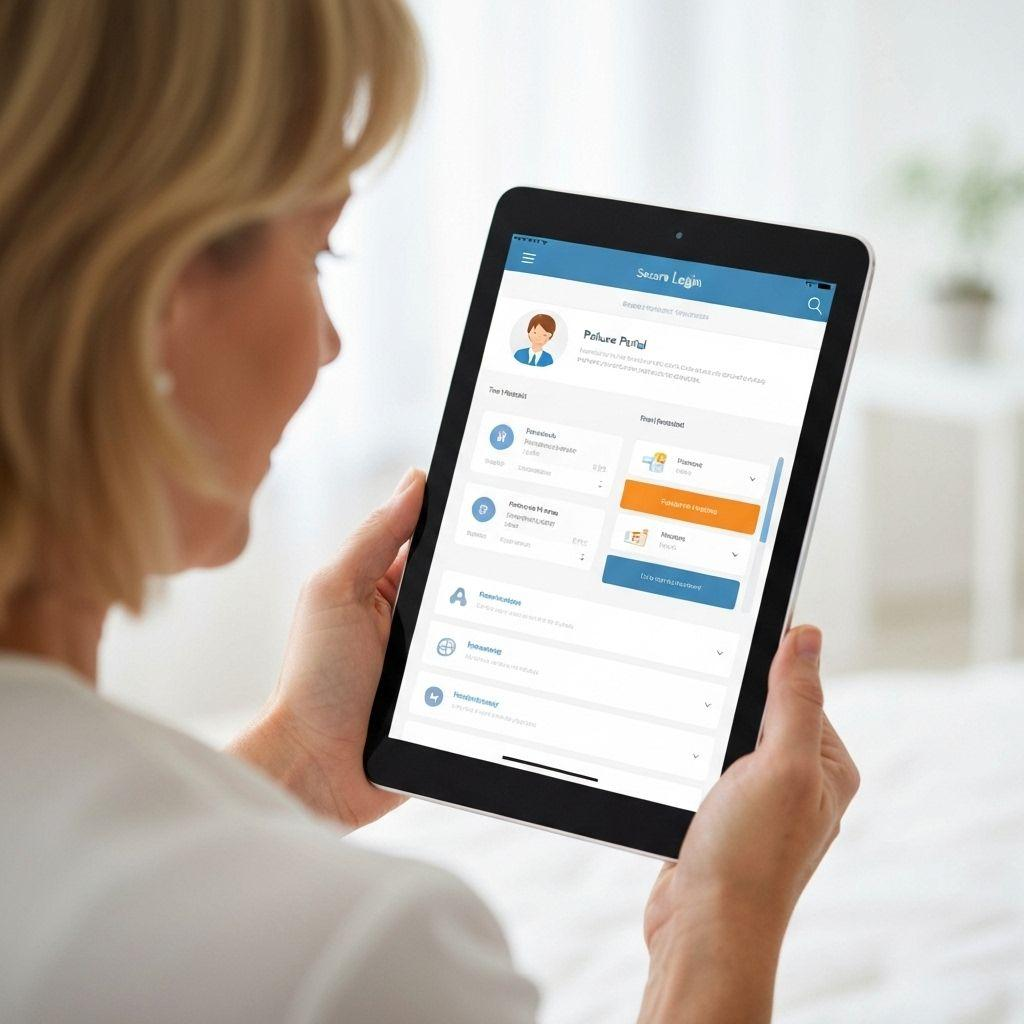
Patient accessibility –Nursing informatics gives patients greater access to their own health information through electronic patient-access tools such as patient portals. These tools may provide patients with access to medications, allergies, laboratory results, treatment information, and other parts of their health record. Electronic access can help patients better understand their health information and become more involved in decisions about their care. Patients also have a right under HIPAA to access their health information, including information maintained electronically (Office of the National Coordinator for Health Information Technology [ONC], 2026).
Electronic health records provide nurses with access to clinical information that can support patient safety and informed nursing decisions.
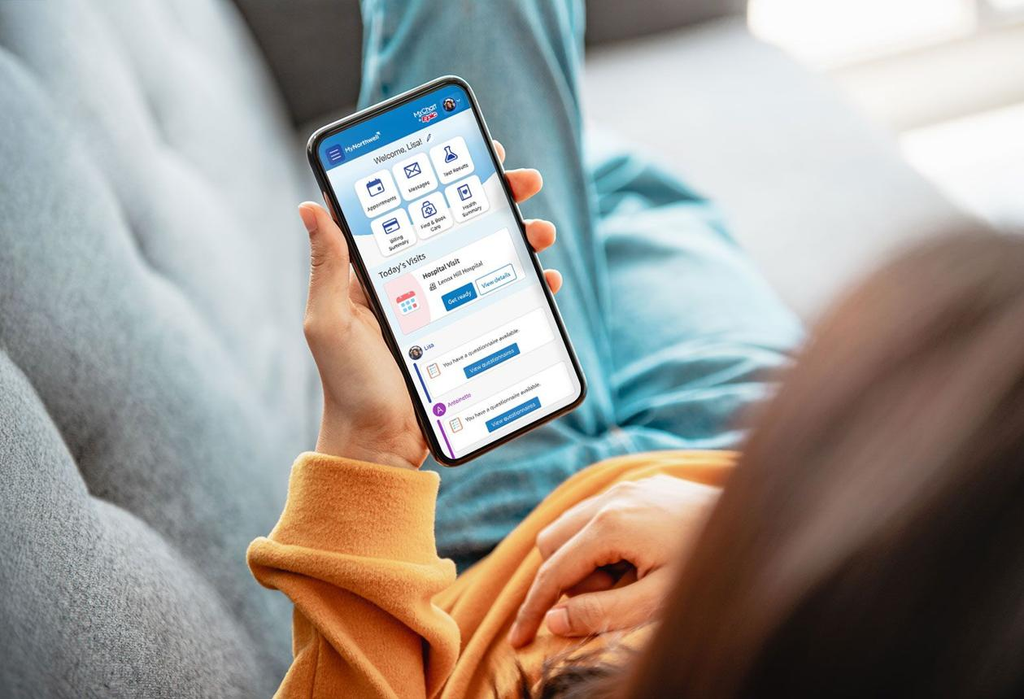
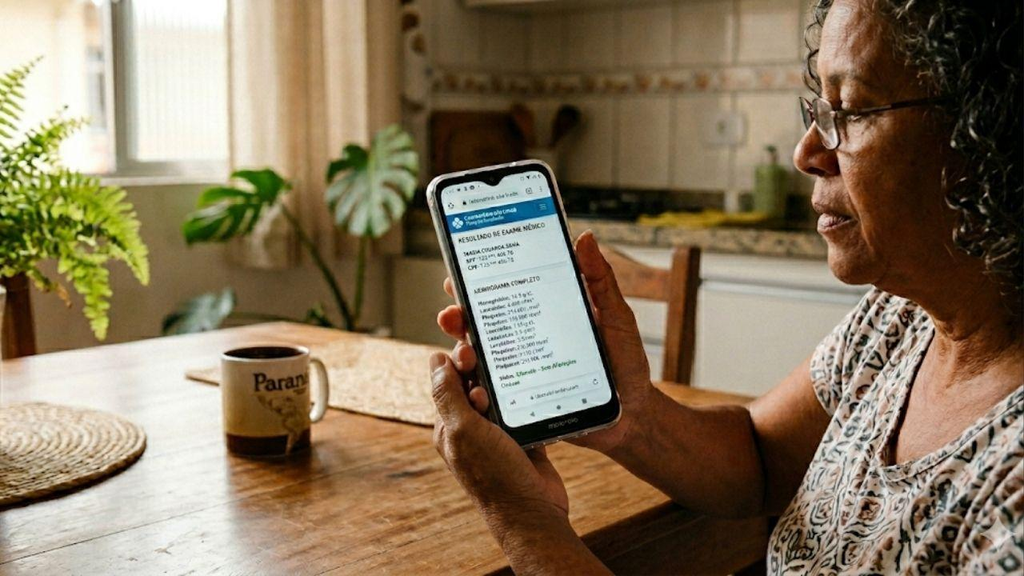
Patient portals allow patients to electronically access health information and become more involved in managing their healthcare.
Learn More About Patient Access to Health Information
Electronic access to health information allows patients to review their medical records and become more involved in their healthcare. Patients have the right to access their health information, including information maintained electronically (Office of the National Coordinator for Health Information Technology [ONC], 2026).
Patient Access to Health Records — HealthIT.gov
Nursing Informatics Careers
The informatics nurse helps facilitate improvements in patient care, patient outcomes, and cost efficiency. Many informatics nurses also choose to obtain specialty certification. According to the 2022 HIMSS Nursing Informatics Workforce Survey, 60% of nurse informaticists reported earning more than $100,000 annually, with informatics certification being associated with higher salaries (Healthcare Information and Management Systems Society [HIMSS], 2022).
- An informatics nurse has past knowledge or desires to work in the informatics field. The job description for an informatics nurse is to educate other nurses and fix technical computer problems.
- An Informatics nurse specialist is an RN who must obtain a graduate level degree in informatics. The INS is able to perform the duties of an informatics nurse with the addition of managing and researching to improve informatics. INS are sometimes involved in the creation of informatics technology.
Key Takeaway
Nursing informatics is more than using computers and other electronic devices in healthcare. It is the integration of nursing knowledge, information, data, and technology to help support clinical practice. Informatics technology provides valuable information and tools, but nurses continue to use assessment skills, professional knowledge, critical thinking, and clinical judgment when providing patient care.
References
American Nurses Association. (2023, July 5). What is nursing informatics? https://www.nursingworld.org/content-hub/resources/nursing-resources/nursing-informatics/
B. Galacio. (2020, November 12). Nursing informatics overview [Video]. YouTube. https://www.youtube.com/@nursing.informatics
Clinical Advisor. (n.d.). 5 best practices for medical documentation [Photograph]. https://www.clinicaladvisor.com/features/5-best-practices-medical-documentation
Healthcare Information and Management Systems Society. (2022). 2022 nursing informatics workforce survey. https://www.himss.org/sites/hde/files/media/file/2023/04/26/ni-workforce-survey.pdf
Kutney-Lee, A., & Kelly, D. (2011). The effect of hospital electronic health record adoption on nurse-assessed quality of care and patient safety. Journal of Nursing Administration, 41(11), 466–472. https://doi.org/10.1097/NNA.0b013e3182346e4b
Nashwan, A. J., Cabrega, J. A., Othman, M. I., Khedr, M. A., Osman, Y. M., El-Ashry, A. M., Naif, R., & Mousa, A. A. (2025). The evolving role of nursing informatics in the era of artificial intelligence. International Nursing Review, 72(1), e13084. https://doi.org/10.1111/inr.13084
Office of the National Coordinator for Health Information Technology. (2026, January 14). Patient access to health records. HealthIT.gov. https://healthit.gov/patient-access-to-health-records/
Sewell, J. P. (2019). Informatics and nursing: Opportunities and challenges (6th ed.). Wolters Kluwer.
Attachments
| File | Size | Added |
|---|---|---|
| image | 934 KB | Sep 14, 2026 |
| image | 473 KB | Sep 14, 2026 |
| florence | 227 KB | Sep 13, 2026 |
| image | 638 KB | Sep 13, 2026 |
| image | 1 MB | Sep 12, 2026 |
| image | 1 MB | Sep 12, 2026 |
| image | 1 MB | Sep 12, 2026 |
| image | 2 MB | Sep 12, 2026 |
| image | 857 KB | Sep 12, 2026 |
| image | 1 MB | Sep 12, 2026 |
| image | 857 KB | Sep 12, 2026 |
| image | 1 MB | Sep 10, 2026 |
| Nurse_taking_notes_while_working_on_a_laptop_in_a_medical_office | 78 KB | Sep 7, 2026 |

Leave a Reply
You must be logged in to post a comment.