Group 12 Members: Lauren T, Shena, Katey W, Larissa, Ja’Naya, Caitlyn W
Nursing Informatics in Clinical Nursing Practice
Introduction
Nursing informatics is basically the way nurses use technology, patient information, and data to help take care of patients. It comes up a lot in everyday nursing, even if we do not always think of it as “informatics.” For example, nurses use it when they chart in the electronic health record, look up lab results, check medication records, or notice changes in a patient’s condition.
This Wiki page is about what nursing informatics means, how nurses use it in real clinical settings, and why it is important for patient care.
What Is Nursing Informatics?
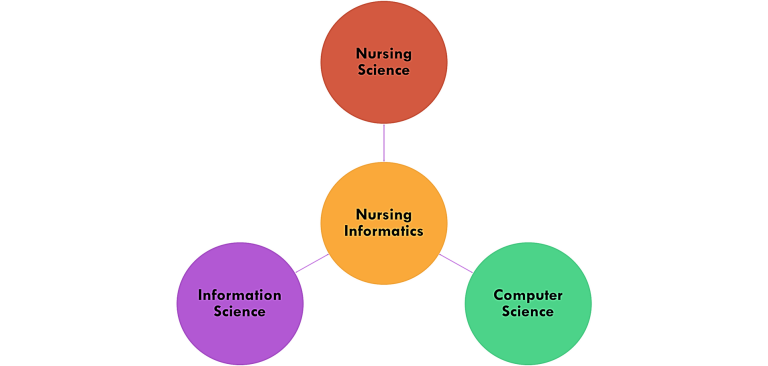
Nursing informatics is the driving force of evidence-based practice. Computer science enhances information and nursing science, allowing knowledge, information, and data to be gathered and analyzed to support nursing practice and care (Miller, 2025). With the main focus being on improving patient outcomes. This is supported with improved access to patient data, cost effectiveness, systematic assessments, and a reduction in clinical errors (Reid et al., 2026).
Nursing informatics became particularly important when electronic health records (EHRs) became the standard in health care systems. Nurses need to be educated in informatics so that they can influence the EHR systems to ensure efficient workflows that promote evidence-based practice (Miller, 2025). Studies have determined that there is a lack of education on nursing informatics in undergraduate nursing programs(Reid et al., 2026). As a profession, it is important to bridge this gap so that nurses can continue to make advancements in informatics. These advancements include implementing practices that prevent medical errors. An example of this is hard stops during the scanning process in medication administration.
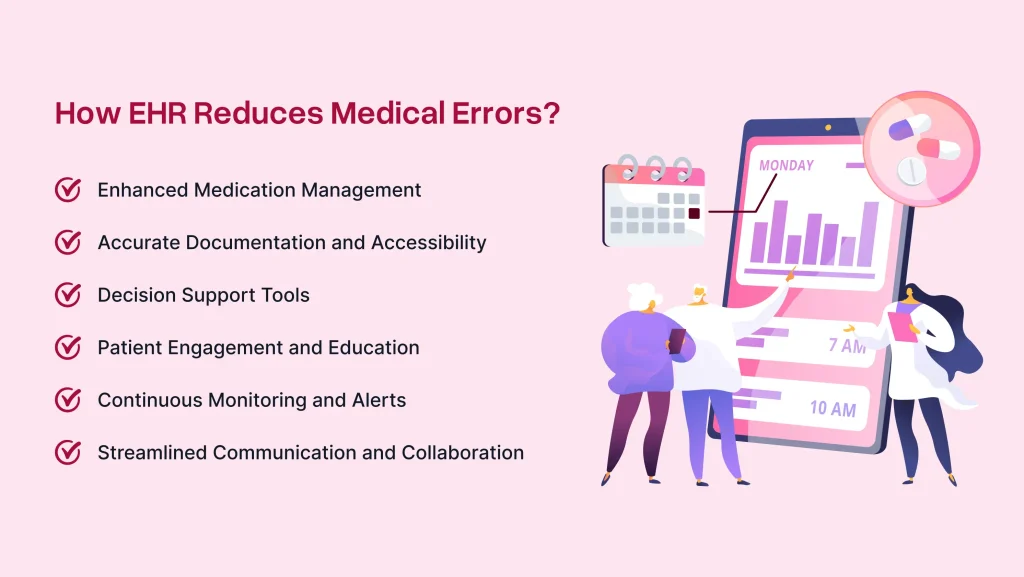
Ultimately, the advancements made in nursing informatics, since it was originally defined in the 1980s, have assisted in better patient outcomes in a multitude of ways. To name a few: better patient self-management, lower admission rates, shorter lengths of stay, and reduced readmission rates (Miller, 2025).
How Nurses Use Informatics in Everyday Practice
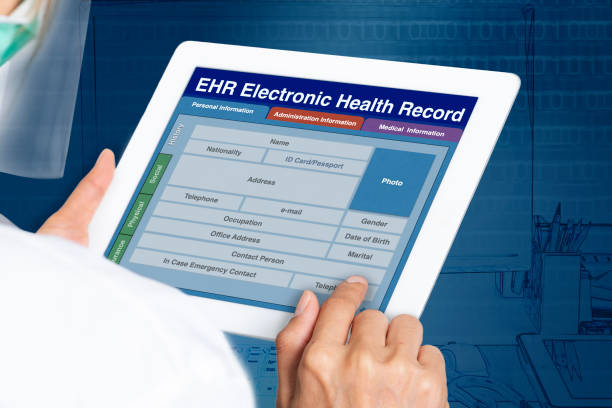
Nursing informatics is utilized in almost all aspects of a modern clinical shift, bridging the gap between patient care, data management, and interprofessional communication. Informatics tools are used continuously during clinical shifts at the bedside to enhance patient safety, streamline workflows, and support evidence-based decision-making (Hess & Alper, 2024). A key application of informatics during a shift is the use of the electronic health record (EHR) to store and retrieve patient data. The EHR enables on-shift nurses to review patient histories, track ongoing treatment plans, and document physical assessments in real time. This informatics tool centralizes care provision by ensuring that all members of the interdisciplinary team have access to updated patient information (Douma et al., 2024).
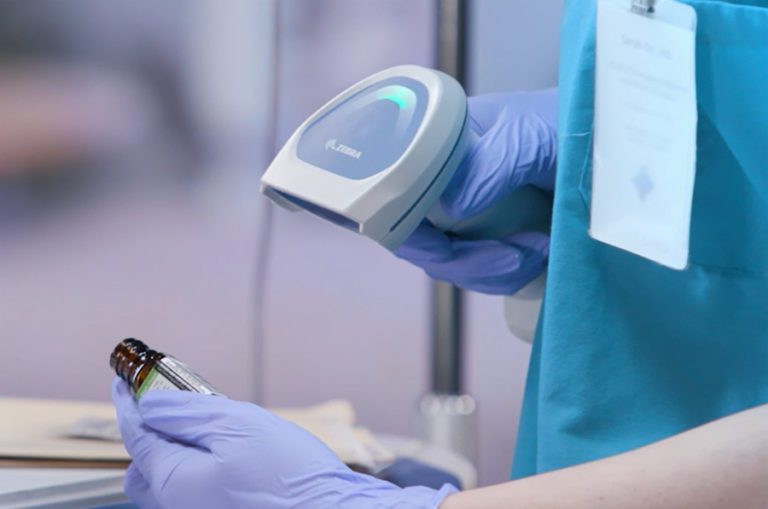
Other key applications include electronic medication administration records (eMAR) and Barcode Medication Administration. Nurses use these tools before administering any drug to a patient. A nurse on shift uses handheld scanners to scan the patient’s identification wristband and the medication barcode. The eMAR cross-references these scans against the active provider orders to verify the “five rights” of medication administration (Karnehed et al., 2024). This minimizes medication errors.
Clinical Example
During a morning medical-surgical shift, a nurse entered a patient’s room to administer the patient’s scheduled morning medications. Using a mobile workstation, the nurse accessed the electronic medication administration record (eMAR) and scanned the patient’s identification wristband, followed by the barcode on an intravenous antibiotic. The system generated a soft alert indicating that a dosage adjustment might be necessary based on the patient’s newly updated serum creatinine level, which the hospital laboratory had automatically transferred into the electronic health record (EHR) approximately one hour earlier. The nurse withheld the medication and used the EHR’s secure messaging function to notify the attending hospitalist of the patient’s laboratory results. The hospitalist reviewed the information and issued a verified medication order modification within minutes. This timely use of health information technology helped prevent a potential adverse drug event and demonstrated how nursing informatics supports clinical decision-making, medication safety, and effective communication among healthcare professionals.
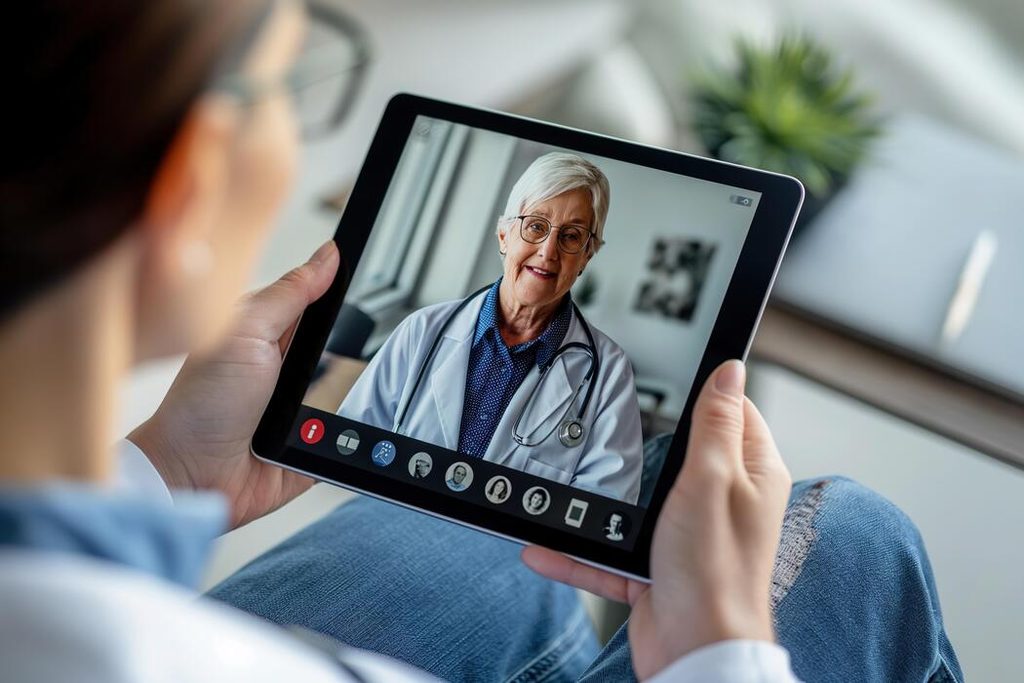
Telehealth and remote patient monitoring are other key nursing informatics applications. Nurses may be able to use telehealth systems to connect with patients who are not on-site at the healthcare facility (Abdallah et al., 2024). Nurses can use video visits, secure messaging, and electronic communication to provide health education and post-discharge follow-up
and support those with chronic illnesses (Abdallah et al., 2024). Patient data like blood pressure, heart rate, oxygen saturation, blood glucose, weight, and more can also be collected by remote monitoring devices and sent electronically to the healthcare team. The data enable the nurse to think about other changes that may require further evaluation or action. For example, a nurse might be caring for a patient with heart failure and be able to monitor the patient’s blood pressure and weight at home. If a sudden weight gain occurs, this may be a sign of fluid retention, and the nurse may call the patient and report to the provider. Informatics technologies allow nurses to detect potential problems early, improve communication, help with continuity of care, and care for patients who may not be able to go in for a physical appointment.
Informatics, Clinical Decision-Making, and Patient Safety
Informatics strengthens nursing practice by giving nurses real‑time information, early warnings, and evidence‑based guidance that directly support clinical judgment and patient safety.
Informatics systems can help by:
- Prevents adverse events such as pressure injuries, medication errors, and uncontrolled blood glucose levels by allowing nurses and aides to look back at care that has been provided for the patient and know that the steps have been taken to prevent these adverse events.
- Risk Screening Tools: Automated screening modules improve completion rates for fall risk, pressure injury risk, agitation, and substance use assessments, allowing earlier preventive action. (Shi, Witherspoon & Morphet 2025)
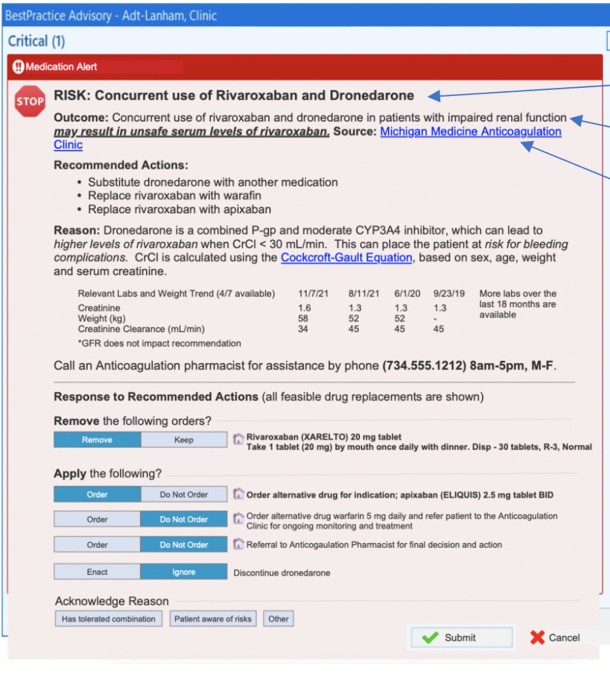
Medication Warnings: Informatics systems identify drug interactions, allergies, dose limits, and contraindications. This reduces medication errors and enhances safe administration practices. (Shi, Witherspoon & Morphet 2025)
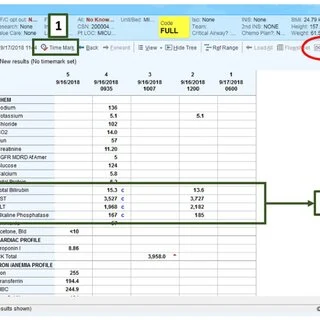
Trend Recognition Tools: Informatics systems display patterns over time, such as rising respiratory rate or declining blood pressure, helping nurses identify subtle deterioration before it becomes critical.
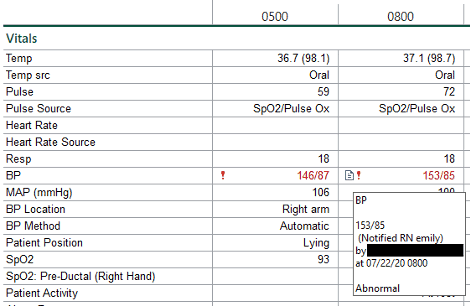
Electronic Alerts: Automated notifications flag abnormal vital signs, lab results, or assessment findings. Alerts ensure nurses are aware of changes as soon as they occur, supporting early intervention.
Clinical Example:
A nurse caring for a postoperative patient receives an electronic alert that the patient’s respiratory rate has increased steadily over the past hour. The nurse can recognize this as potential early sign of sepsis based on trending vital signs and recent lab results. The nurse performs an immediate assessment, notes new confusion and a low blood pressure, and contacts the provider. Because the system highlighted the trend early, the team initiates sepsis protocols promptly, preventing further deterioration and reducing the risk of transfer to higher level of care. (Shi, Wotherspoon & Morphet, 2025)
Data Analysis and Quality Improvement
Nurses and healthcare teams can use patient data to identify problems; monitor tends and improve patient outcomes. quality improvement involves monitoring, analyzing, and improving healthcare processes to provide better and more consistent care. Data analysis can help healthcare organizations recognize areas that need improvement, such as infection rates, patient falls, pressure injuries, staffing, and documentation. By reviewing this information, nurses and healthcare teams can identify patterns and make changes that may improve the quality and safety of patient care. nursing quality data can also be used to evaluate staffing levels, nursing hours per patient day, and other factors that may affect patient outcomes (Miller, 2025).

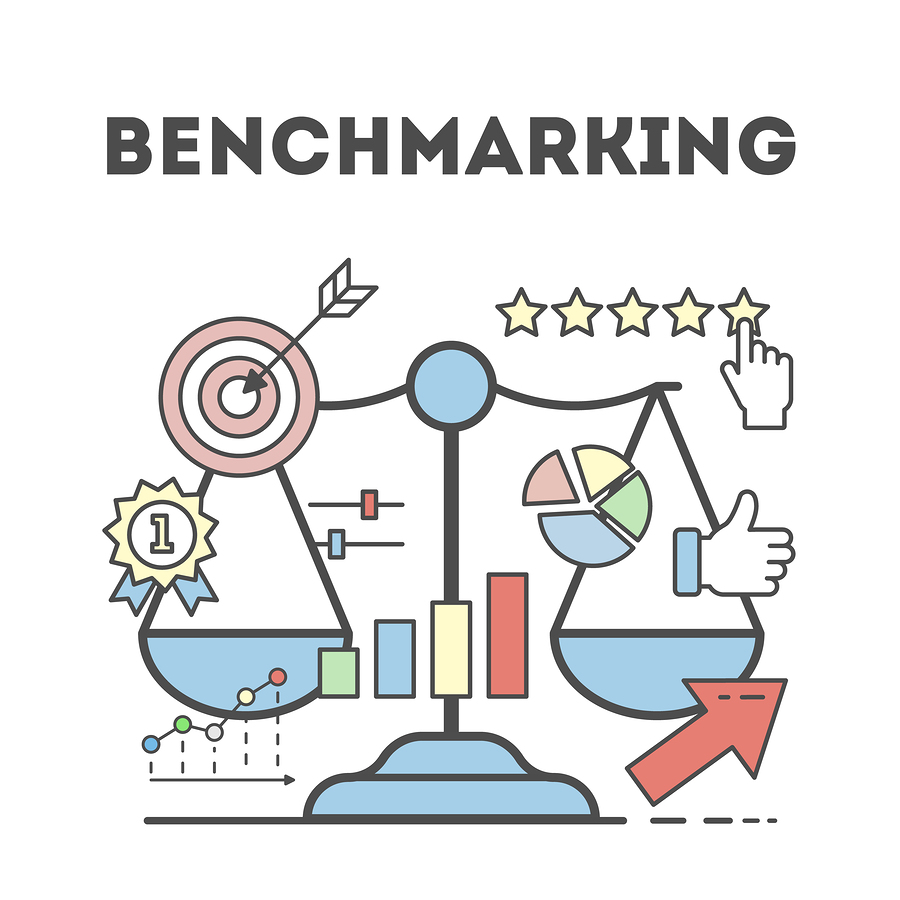
Benchmarking:
Benchmarking is another way healthcare organizations can use data for quality improvement. Benchmarking allows healthcare teams to compare performance and identify areas that may need improvement. Quality measures can evaluate health processes, patient outcomes, and patient experiences. Once an area for improvement is identified, nurses and other healthcare professionals can make changes and continue monitoring the data to determine whether those changes are effective. Using data in this way helps healthcare teams make informed decisions and continuously improve patient care (Miller, 2025).
Clinical Example:
A nursing unit notices an increase in patient falls. The healthcare team reviews the fall data to identify patterns and possible contributing factors. After implementing additional fall-prevention strategies, the team continues monitoring fall rates to determine whether the changes improve patient safety. The course material specifically identifies falls, pressure injuries, and infections as nursing quality indicators that can be measured to help improve care.

The Role of the Informatics Nurse
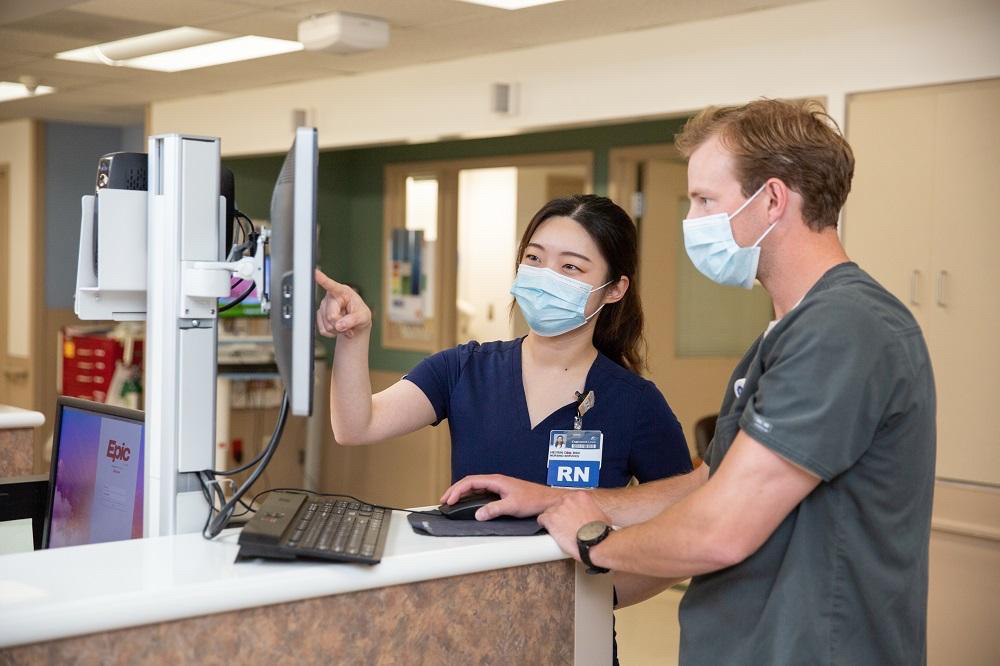
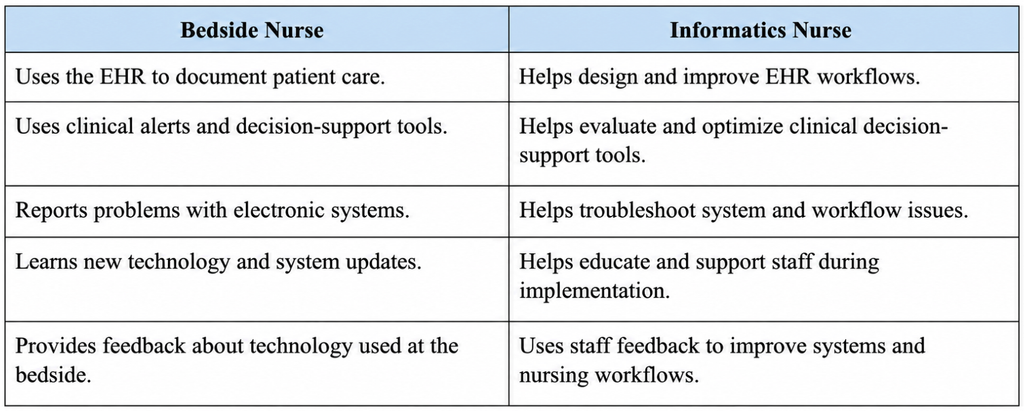
Informatics nurses help connect nursing practice with the technology used in healthcare. Since they have a clinical nursing background, they understand how electronic systems can affect both nurses and patient care. Their role can include helping with electronic health record (EHR) implementation, training staff, troubleshooting problems, analyzing data, and improving workflows. The textbook explains that informatics nurse specialists may educate staff on electronic systems, provide support, troubleshoot software, and participate in project management (Miller, 2025).
A key part of this role is ensuring new technology works well in the clinical setting. Informatics nurses can help prepare nurses for changes to electronic systems through training and support. They can also gather feedback from bedside nurses who use these systems daily and help identify areas for improvement. Miller (2025) emphasizes that end-user feedback is important when optimizing an EHR and ensuring it supports clinical workflows.
Clinical Example:
My hospital is currently transitioning from Cerner to Epic. During this transition, informatics nurses are helping prepare staff for the new system by providing training, answering questions, and supporting nurses as they learn the new EHR. They also gather staff feedback to identify issues and improve workflows before and after implementation.
Careers Related to Nursing Informatics:
- Nursing Informatics Specialist
- Clinical Analyst
- Nurse Educator
- EHR Implementation Manager
- Clinical Informatics Manager/Director
- Chief Nursing Informatics Officer
Privacy, Ethics, and Safe Use of Health Information
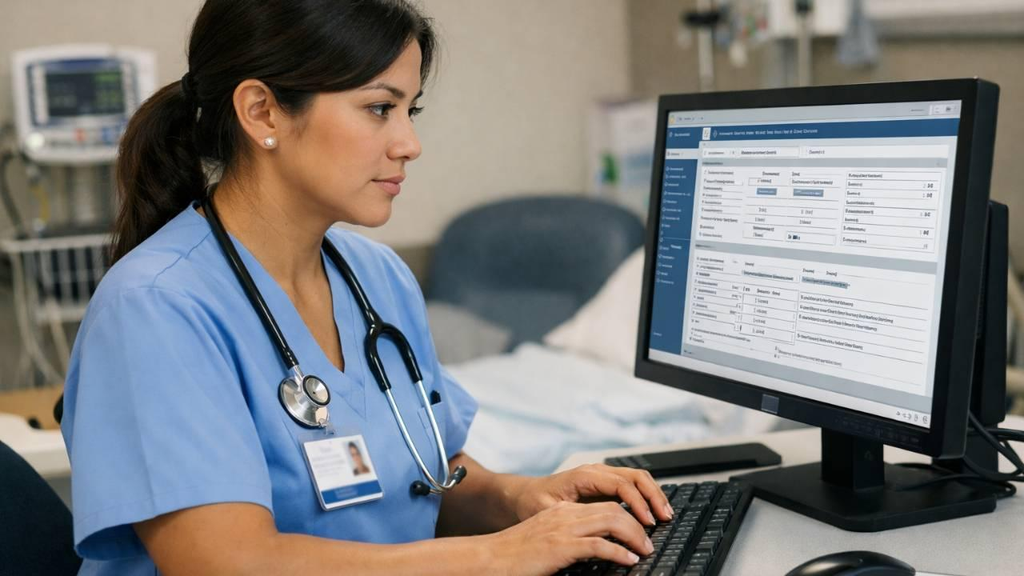
Protecting patient information is an important responsibility for every nurse. Nursing informatics makes it easier to access, store, and share health information, but it also requires nurses to use technology carefully and responsibly. Chapter 9 explains that information privacy is essential when managing healthcare data because it helps minimize risks and protect sensitive information. Information governance also helps organizations manage how information is collected, retained, used, and disclosed (Miller, 2025).
In everyday nursing practice, this means accessing patient records only when needed for care, keeping login information secure, and sharing patient information through appropriate channels. Nurses should also be careful when using electronic communication, such as messaging other healthcare providers. Chapter 11 explains that informatics nurses help develop communication systems that prioritize privacy and confidentiality, including features such as data encryption and integration with electronic health records (Miller, 2025).
Protecting electronic health information is essential to maintaining patient privacy and trust.
Clinical Example: A nurse needs to notify a provider about a resident’s change in condition. Instead of sending patient information through a personal social media account or unsecured message, the nurse uses the facility’s approved communication system and documents the information in the EHR. This helps protect the resident’s privacy while ensuring the healthcare team has the information needed to provide care.
Nurses must also remember that technology does not replace professional judgment. Accurate documentation, appropriate access to records, and responsible communication are all part of using informatics safely. By following facility policies and protecting confidential information, nurses can use technology to support both patient safety and trust.
Why Nursing Informatics Matters
Nursing informatics matters because it helps nurses use technology, patient data, and clinical information more effectively during everyday care. Tools such as electronic health records, medication administration systems, clinical alerts, remote monitoring, and secure communication can improve organization, support safer decision-making, strengthen communication between healthcare professionals, and help nurses recognize changes in a patient’s condition sooner. Informatics also supports quality improvement by allowing nurses and healthcare organizations to identify trends, monitor outcomes, and improve care processes. Technology does not replace nursing knowledge, judgment, or critical thinking; instead, it gives nurses better access to the information they need to provide safe, efficient, and patient-centered care.
Additional Resources
HealthIT.gov – Benefits of Electronic Health Records
Explains how electronic health records give healthcare professionals access to patient information, support clinical decision-making, improve care coordination, and help reduce medical errors. These benefits demonstrate how informatics is used by nurses throughout everyday clinical practice.
HealthIT.gov – Improved Diagnostics & Patient Outcomes
Describes how electronic health records provide clinicians with complete and accurate patient information that can support earlier diagnosis, reduce medical errors, improve patient safety, and lead to better patient outcomes.
HHS – HIPAA for Professionals
Provides information from the U.S. Department of Health and Human Services about HIPAA requirements, including the Privacy and Security Rules and protection of electronic health information. This resource relates directly to nurses’ responsibility to protect patient information when using electronic health records and other technology.
References
Abdallah, Z. A., Khamis, E. A. R., Ibrahim, F. M., & Farag, A. A. W. (2024). Telenursing future in solving the nursing global workforce gap. In Nursing—Trends and developments. IntechOpen. https://doi.org/10.5772/intechopen.110745
Chouchene Douma, M., Ben Rejeb, M., Zardoub, N., Braham, A., Chouchene, H., Bouallegue, O., & Said Latiri, H. (2024). Impact of implementing electronic nursing records on quality and safety indicators in care. Libyan Journal of Medicine, 19(1), 2421625. https://doi.org/10.1080/19932820.2024.2421625
Hess, S., & Alper, C. (2024). Nursing informatics: The vital nursing link between technology and patient care. HCA Healthcare Journal of Medicine, 5(5), 513–516. https://doi.org/10.36518/2689-0216.2003
Karnehed, S., Norell Pejner, M., Erlandsson, L.-K., & Petersson, L. (2024). Electronic medication administration record (eMAR) in Swedish home healthcare—Implications for nurses’ and nurse assistants’ work environment: A qualitative study. Scandinavian Journal of Caring Sciences, 38(2), 347–357. https://doi.org/10.1111/scs.13237
Miller, K. (2025). Informatics and nursing: Opportunities and challenges (7th ed.). Wolters Kluwer.
Reid, L., Button, D., Breaden, K., & Brommeyer, M. (2026). Nursing informatics and undergraduate nursing curricula: A scoping review. Nursing Reports, 16(2), Article 42. https://doi.org/10.3390/nursrep16020042
Shi, Q., Wotherspoon, R., & Morphet, J. (2025). Nursing informatics and patient safety outcomes in critical care settings: A systematic review. BMC Nursing, 24, Article 546. https://doi.org/10.1186/s12912-025-03195-6
Leave a Reply
You must be logged in to post a comment.