Group 7 Members: John, Stania, Kelsey J., Alexis K., Melissa K., Stefan, Amy L.
Please use this page to add your content, images, videos, links to additional content, and reference section.
Nursing Informatics in Clinical Nursing Practice
What is Nursing Informatics?
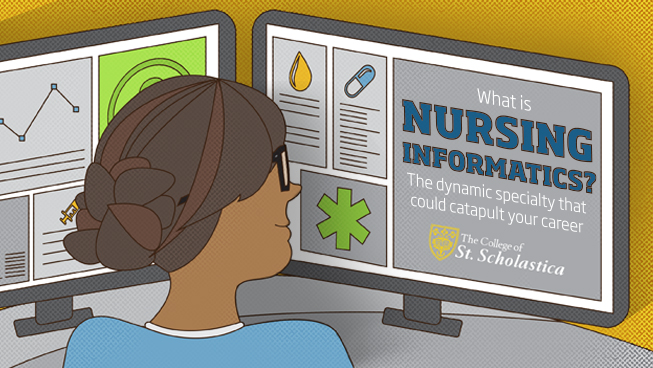
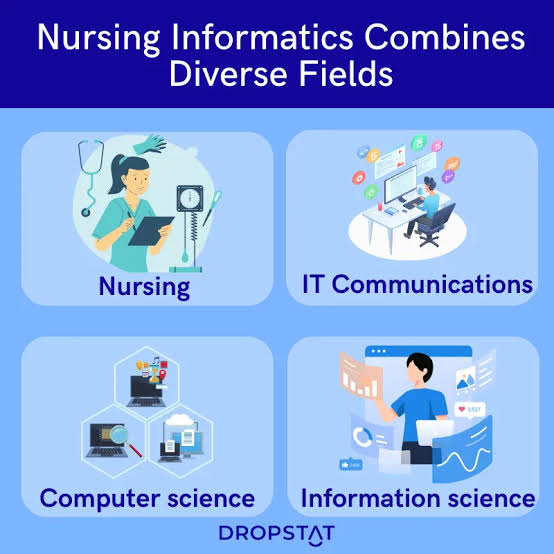
Nursing Informatics incorporates nursing science, information science, computer science to manage and communicate data, information, and knowledge. It takes data and uses technologies to improve health, safety, quality, and outcomes of patient care. (Miller, K. 2025)
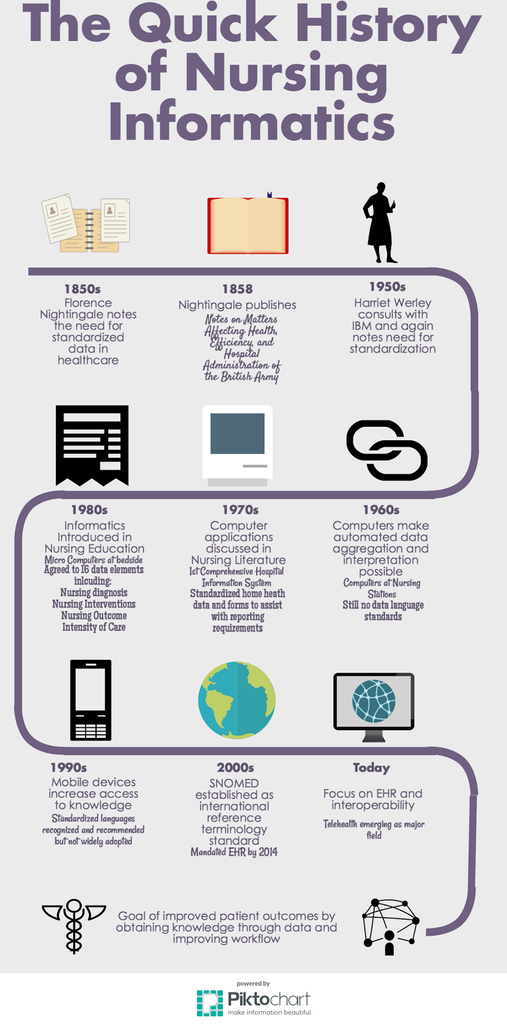
History of Nursing Informatics
Why Is Nursing Informatics Important in Clinical Nursing Practice?
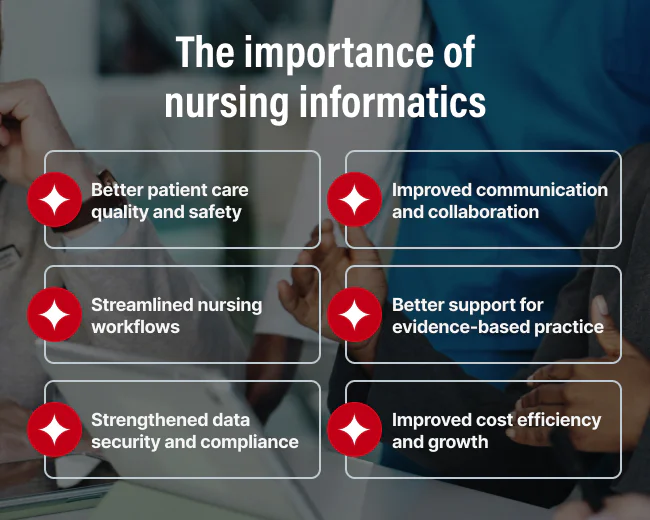
Nursing informatics is important because it:
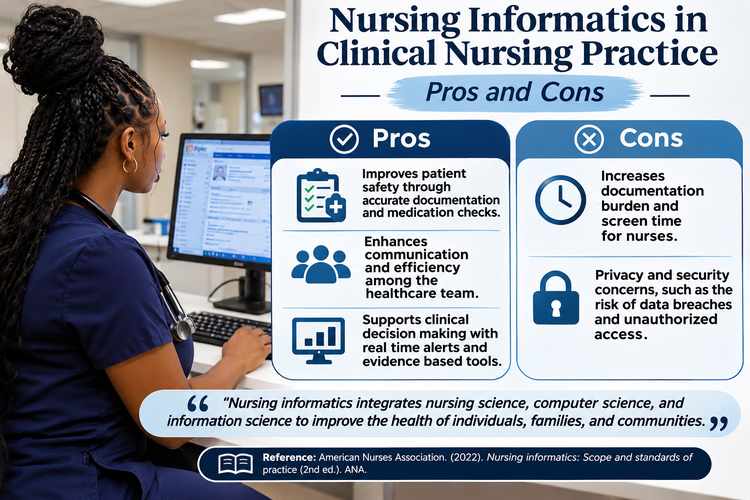
- Improves patient safety by reducing medication and documentation errors.
- Supports accurate and timely nursing documentation.
- Improves communication and collaboration among healthcare professionals.
- Provides quick access to patient histories, laboratory results, and diagnostic information.
- Supports evidence-based nursing practice and clinical decision-making.
- Helps identify patient risks and recognize changes in health conditions.
- Protects patient confidentiality through secure electronic health information systems.
How Do Nurses Utilize Informatics in Clinical Practice?
- Electronic Health Record (EHR)
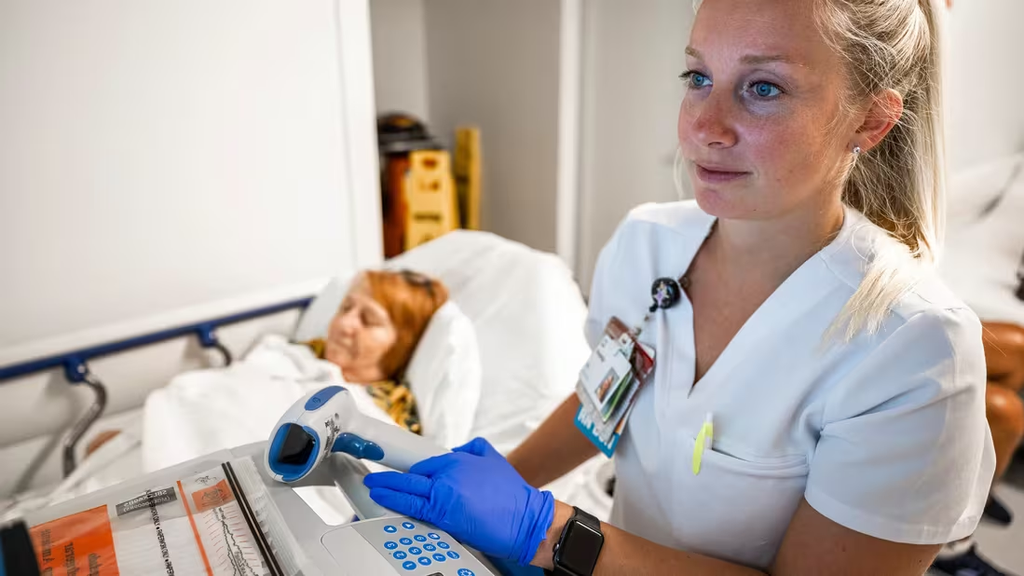
- Barcode Medication Administration (BCMA)
- Electronic Documentation
- Telehealth
Roles and Responsibilities of Informatics Nurse and Informatics Nurse Specialists
All nurses use informatics to enhance their nursing skills and support patient care, but an informatics nurse is a nurse that optimizes information management and communication. Some specific roles outlined by the ANA (2022) include:
- Management, administration, and leadership
- Clinical informatics
- Data management and analytics
- Patient safety and quality
- Research and evaluation
- Compliance and integrity management
- Coordination, consultation, facilitation, and integration
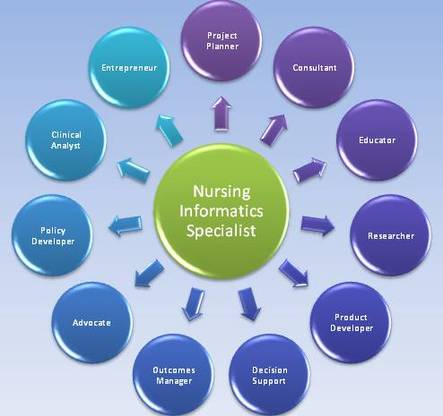
The difference between an informatics nurse and an informatics nurse specialist is that an informatics nurse enters this field of study because of interest or experience, while an informatics nurse specialist is an RN with a graduate-level degree in informatics or a closely related field (Houston et al., 2019). Both have similar roles and responsibilities, but an informatics nurse role might include being a systems educator, information technology nurse advocate, super user, system specialist, or clinical systems coordinator/analyst, while an informatics nurse specialist might take roles such as project manager, consultant, director of clinical informatics, researcher, product developer, policy developer, or entrepreneur (Miller, 2025).
The Importance of Nursing Informatics and Real-World Examples in Clinical Practice
Nursing Informatics During Shift Change
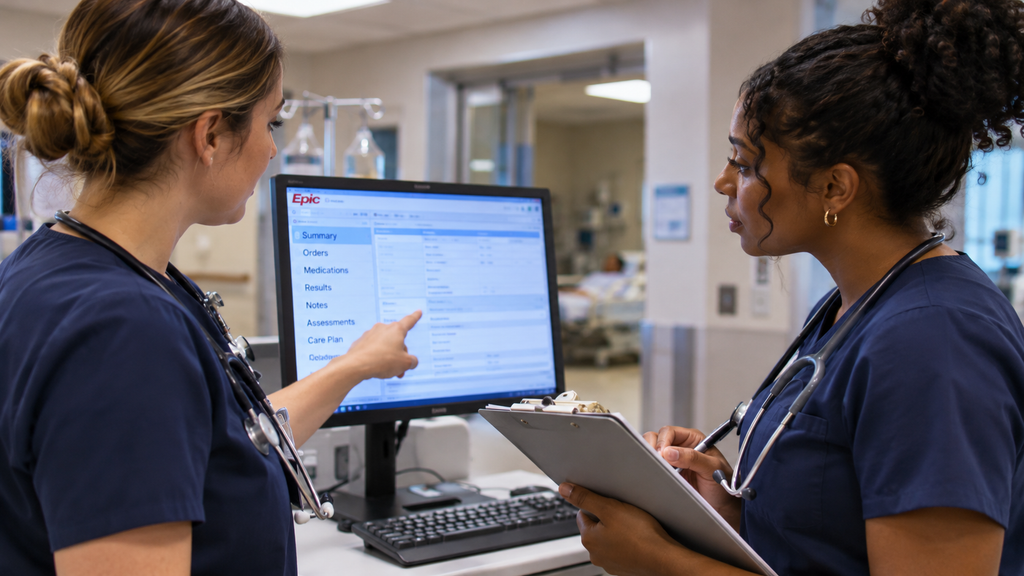
Nursing informatics is also helpful during shift change when nurses are giving and receiving report. For example, before starting a shift, nurses can use Epic to review patient assessments, medications, lab results, and any new orders. This helps the oncoming nurse get a better understanding of what is going on with their patients and what needs to be followed up on. It is especially helpful when a patient has had a change in condition or has important tasks that still need to be completed. Having updated information in the electronic health record, along with a good verbal report, helps prevent important details from being missed and supports continuity of care (Satake & McElroy, 2024).
Nursing informatics in clinical practice
A great way to explain nursing informatics is how we practice. Throughout this course we know it’s implemented in different ways. One way it is implemented is throughout Clinical Decision Support Systems ( CDSS). Which this stands for helps reduce errors, patient centered-care. Nursing informatics in all helps bridge the gap for nursing science, technology and how to utilize multiple systems effectively.
The way we implement this in clinical practice is through an EMR such as Epic. It is implemented directly through workflows, providing on time alerts. This alone has helped reduce medication errors, and on time critical lab values. CDSS has also allowed nurses to improve charting time. For example, organizing tasks allows nursing to make edits to suit their time management. helps reduce duplicated entries. Their has been studies that show CDSS helps improve charting up to 70% compared to other EMR systems( Ezzat, 2026)

EHR System Compliance
- Definition: EHR compliance refers to following federal and state regulations, organizational policies, and professional standards when collecting, storing, accessing, and sharing electronic patient health information.
- HIPAA compliance: Nurses must protect patients’ private health information under the Health Insurance Portability and Accountability Act (HIPAA).
- Patient confidentiality: Nurses should only access patient records when necessary to perform their professional responsibilities.
- Secure login practices: Nurses must use their individual usernames and passwords and should never share login credentials.
- Patient rights: Patients have rights concerning access to their medical records and the privacy of their health information.
- Legal and ethical responsibility: Nurses are responsible for maintaining confidentiality and following organizational policies and applicable privacy and security regulations.
- (Marron, 2024)
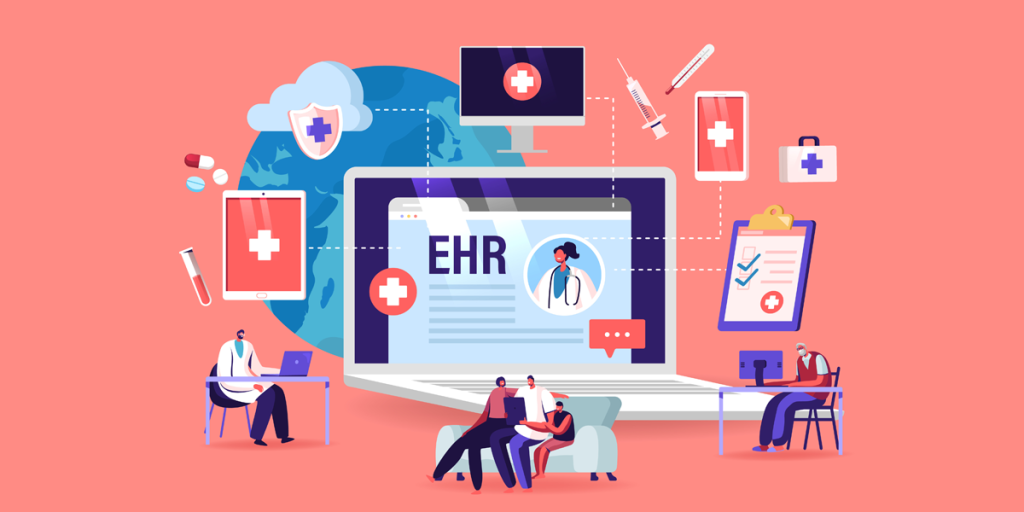
CDSS provide excellent resources for patient education. Such as, provide visual aides, tailored treatment options, patient specific condition education. All which is essential to ensure proper education for patients to decrease hospital return rate. Studies have shown it has increased up to 20% with patient satisfaction and adherence. ( Ezzat, 2026)
The Importance of Nursing Informatics to Patient Safety
CDSS is very essential in target patient safety. In a few ways such a reduction in medication errors, patient skin care and prevention of HAPIS. Medication errors reduction has been reduced due to the implementation of barcode scans. In the past, barcodes were not implemented and medication errors were high. Since the implementation of this, medication errors have reduced by 41%! ( Ezzat, 2026) Also provides an interface that visually shows medications due times, and to ensure on time medications.
CDSS also helps identify major issues patients encounter. Such as, sepsis, pressure injuries, fall risk patients, and ensuring there are proper interventions implemented. ( Ezzat, 2026) The implementation of CDSS is very useful. Epic provides a tab for a patient avatar. The provides a visual of the patient for wounds, potential skin breakdown, lines, and for which helps reduce HAIPS and improve overall patient safety.
Traditional vs. Modern Nursing
Nursing informatics has changed the way nurses document patient care and health outcomes (Miller, K. 2025). Technological advancements have changed documentation primarily from paper charting to electronic charting. View the interactive slide below to show the changes from traditional to modern nursing.
The Use of AI in Healthcare
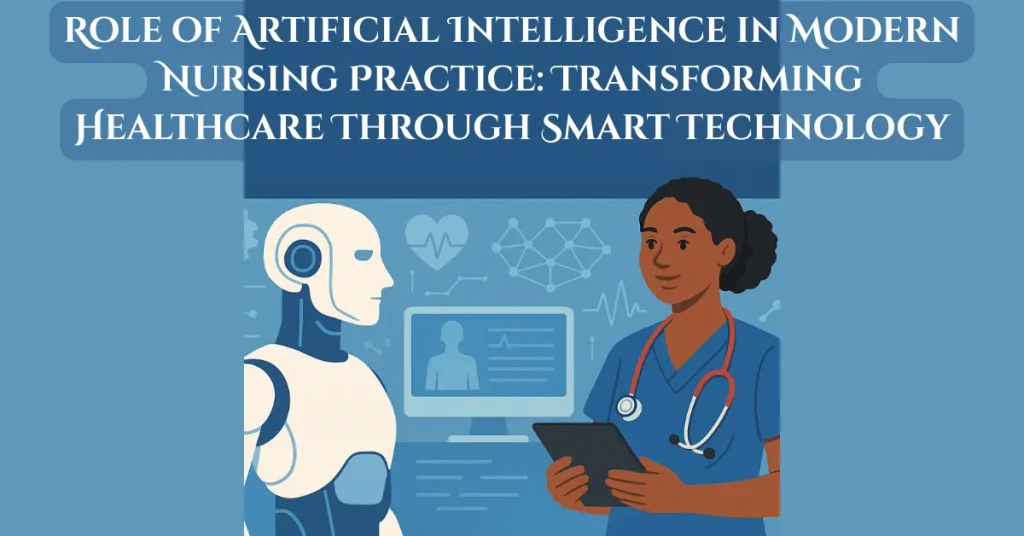
As discussed in Miller, K. S (2025), Artificial Intelligence (AI) is more widely available to the public and is being used to improve healthcare. AI has several uses and benefits for healthcare that include but are not limited to:
- Detecting patterns and predicting future diseases
- Data collection for vital signs and diagnostic results
- Lab analyzation for lab specimens
- Decision support for analyzing information
- Chatbots to help with frequently asked questions
- Facial expression recognition for robotic assistant vehicles or wheelchairs
- Translation and interpretation for language barriers
- Medication delivery, filling prescriptions, and confirming medication dosages
- Data collection for insurance, referrals, and scheduling
- Data collection and analyzation from wearable medical devices to notify healthcare providers
- Clinical documentation created using speech recognition
Nursing Informatics Organizations
There are several formal organizations for Nursing Informatics. A few of these organizations have workgroups that are specifically for nurses, rather than all practitioners in all areas of healthcare. (Miller, K. 2025). Below are a list of the organizations and their websites to learn more about them.
HIMMS- Healthcare Information and Management Systems Society https://www.himss.org/networking/communities/nursing-informatics/
EFMI- European Federation for Medical Informatics https://efmi.org/
IMIA- International Medical Informatics Association https://imia-medinfo.org/wp/
AHIMA- American Health Information Management Association https://www.ahima.org/
AMIA- American Medical Informatics Association https://amia.org/communities/nursing-informatics
ANIA- American Nursing Informatics Association https://www.ania.org/
ANI- Alliance for Nursing Informatics https://www.allianceni.org/
ANA- American Nurses Associations https://www.nursingworld.org/ana/
BCS- British Computer Society Nursing Specialist Group https://www.bcs.org/membership-and-registrations/member-communities/nursing-specialist-group/
Informatics and Nursing definition

Informatics encompasses library science and data science
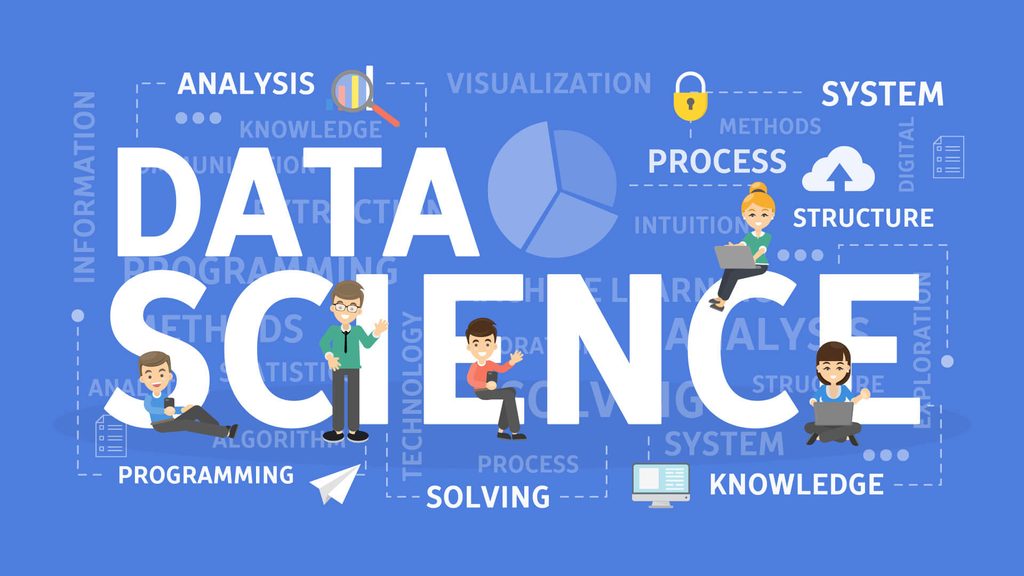
to impact individual people and society by utilizing new technology with lessons learned from history

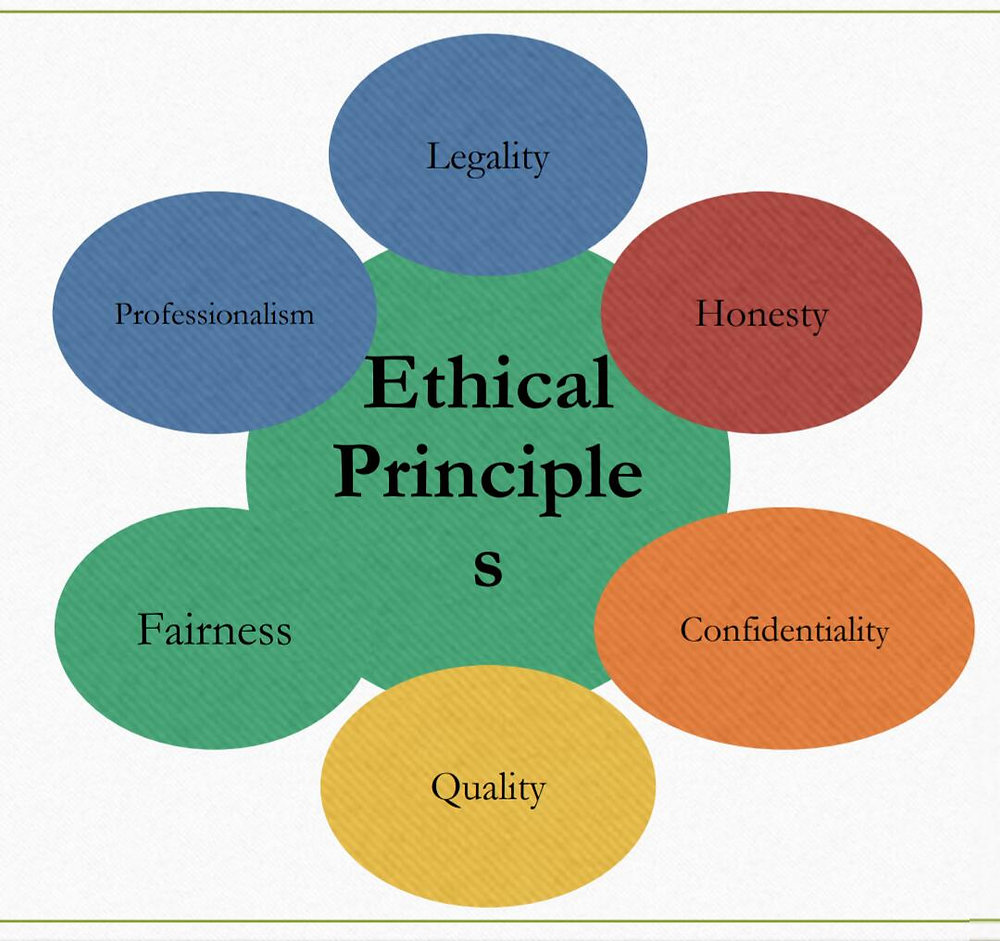
guided by ethical principles
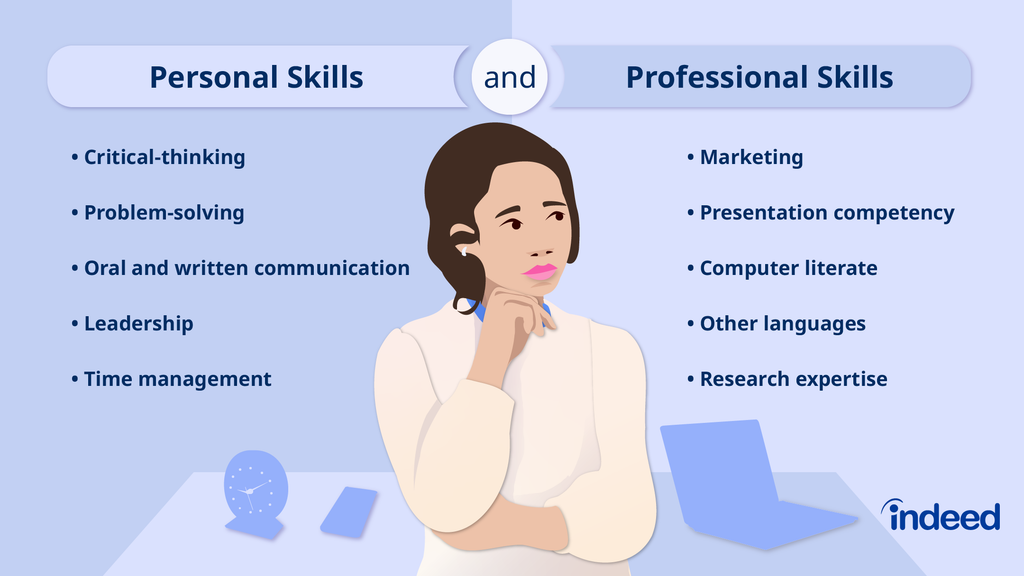
skills and competencies
REFERENCE
Miller, K. S. (2025). Informatics and nursing: Opportunities and challenges (7th ed.)
History Continued
References
American Nurses Association. (2022). Nursing informatics: Scope and standards of practice (3rd ed.). https://anaprodsite1.nursingworld.org/nurses-books/nursing-informatics-scope-and-standards-of-practi/
ED_RN. (2016, February 24). Informatics: The big picture. Leading Nursing Through Informatics. https://leadingthroughinformatics.blogspot.com/2016/02/informatics-big-picture.html
Ezzat, H. M. (2026). Clinical decision support systems in nursing informatics: Transforming care through technology. Canadian Journal of Nursing Informatics, 21(1). https://cjni.net/journal/?p=16098
Houston, S. M., Dieckhaus, T., Kircher, B., & Lardner, M., (Eds.). (2019). An introduction to nursing informatics, evolution, and innovation (2nd ed.). CRC Press. https://doi.org/10.4324/9780429425974
Marron, J. (2024). Implementing the Health Insurance Portability and Accountability Act (HIPAA) Security Rule: A cybersecurity resource guide (NIST Special Publication 800-66 Rev. 2). National Institute of Standards and Technology. https://doi.org/10.6028/NIST.SP.800-66r2
Miller, K. S. (2025). Informatics and nursing: Opportunities and challenges (7th ed.).
Satake, A., & McElroy, V. (2024, March 27). Inpatient transitions of care: Challenges and safety practices. Agency for Healthcare Research and Quality. https://psnet.ahrq.gov/primer/inpatient-transitions-care-challenges-and-safety-practices
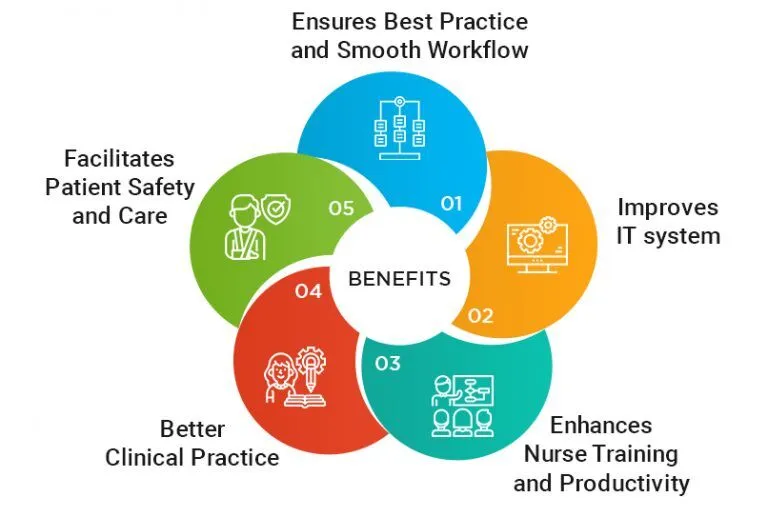
Importance of Nursing Informatics in Clinical Practice
- Improves the quality and safety of patient care.
- Reduces documentation and medication errors.
- Promotes accurate and timely nursing documentation.
- Enhances communication among healthcare professionals.
- Supports clinical judgment and decision-making.
- Improves efficiency and workflow in healthcare settings.
- Promotes evidence-based nursing practice
- Healthcare Information and Management Systems Society (HIMSS). Nursing informatics resources. https://www.himss.org/
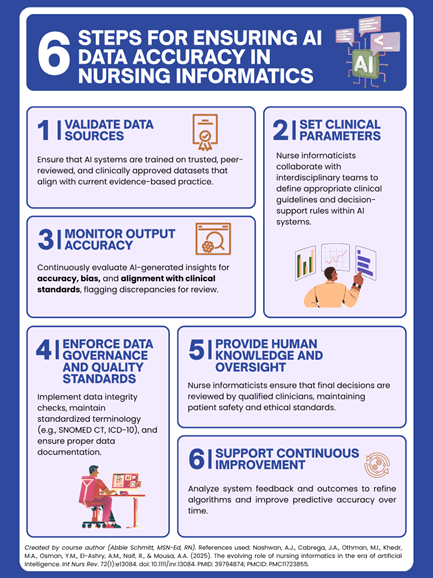
Artificial intelligence (AI) is transforming medical documentation by enhancing accuracy, minimizing errors, and supporting improved patient outcomes. Through tools such as real-time error detection and advanced data analytics, AI helps healthcare professionals maintain more accurate, consistent, and reliable clinical records.
As AI technology continues to advance, its role in healthcare documentation is expected to expand, making it an increasingly valuable resource for healthcare providers seeking to improve documentation quality, efficiency, and overall patient care. (Quadrant Health, n.d.).
References
Informatics: The big picture. (2016, February). Leading Through Informatics. https://leadingthroughinformatics.blogspot.com/2016/02/informatics-big-picture.html
Shah, R. (n.d.). Nursing informatics and the must-have features for higher efficiency. OSP Labs. https://www.osplabs.com/insights/what-is-nursing-informatics/
Schmitt, A. (n.d.). The nurse informaticist role in client security. Nursing CE Central. https://nursingcecentral.com/lessons/the-nurse-informaticist-role-in-client-security/
Quadrant Health. (n.d.). 6+ ways AI enhances accuracy in medical documentation. https://blog.quadrant.health/ai-medical-documentation-accuracy/
Leave a Reply
You must be logged in to post a comment.