Group 8 Members: Michael, Temur, Ashley M., Shaun, Sarah M., Stella, Annie
Electronic Health Record
What is Nursing Informatics
Nursing Informatics combines nursing knowledge with information and computer sciences to improve patient care. It focuses on how nurses use technology to collect patient information, communicate with other healthcare professionals, and make informed clinical decisions. Technology has become a major part of everyday nursing practice and allows nurses to provide safer and more efficient care. (American Nurses Association) A great example of technology is an EHR which stands for Electronic Health Record.

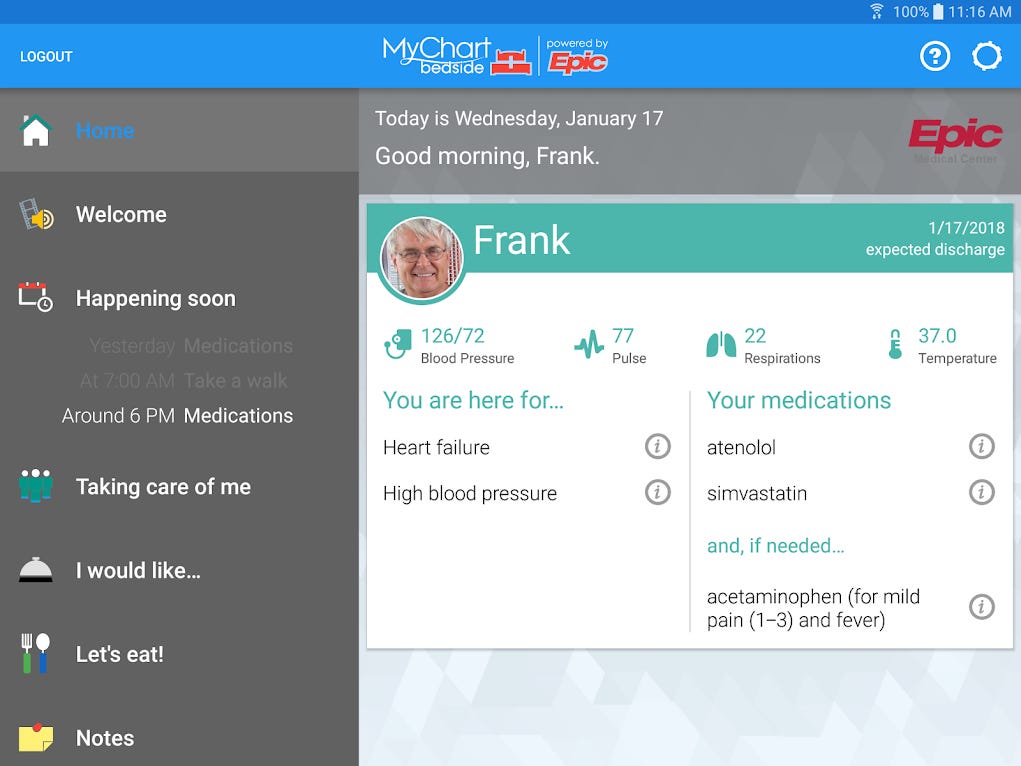
Electronic Health Records (EHRs)
Important patient data, such as medical history, diagnoses, prescription drugs, allergies, test results, vital signs, and treatment plans, are stored digitally in Electronic Health Records (EHRs).
Electronic health record systems include:
Epic
Cerner
PointClickCare
Authorized medical personnel can access patient data and exchange pertinent information between healthcare settings thanks to EHRs. According to the Office of the National Coordinator for Health Information Technology [ONC], 2025, they facilitate better coordination, communication, documentation, and continuity of treatment.
How Nursing Informatics Improves Patient Safety
Nursing informatics helps improve patient safety by giving nurses access to important patient information and tools that can help prevent errors. One example is barcode medication administration, which allows nurses to scan a patient’s identification band and medication before giving it. This helps confirm that the correct medication is being given to the correct patient, following the six rights of medication administration (MacDowell et al., 2021).
Nursing informatics improves patient safety by providing nurses with access to accurate, up-to-date patient information through electronic health records (EHRs). EHRs allow healthcare professionals to review patient histories, medications, allergies, laboratory results, and treatment plans. This information helps prevent medication errors, avoid duplicate testing, and identify potential complications. (Reale, 2023).
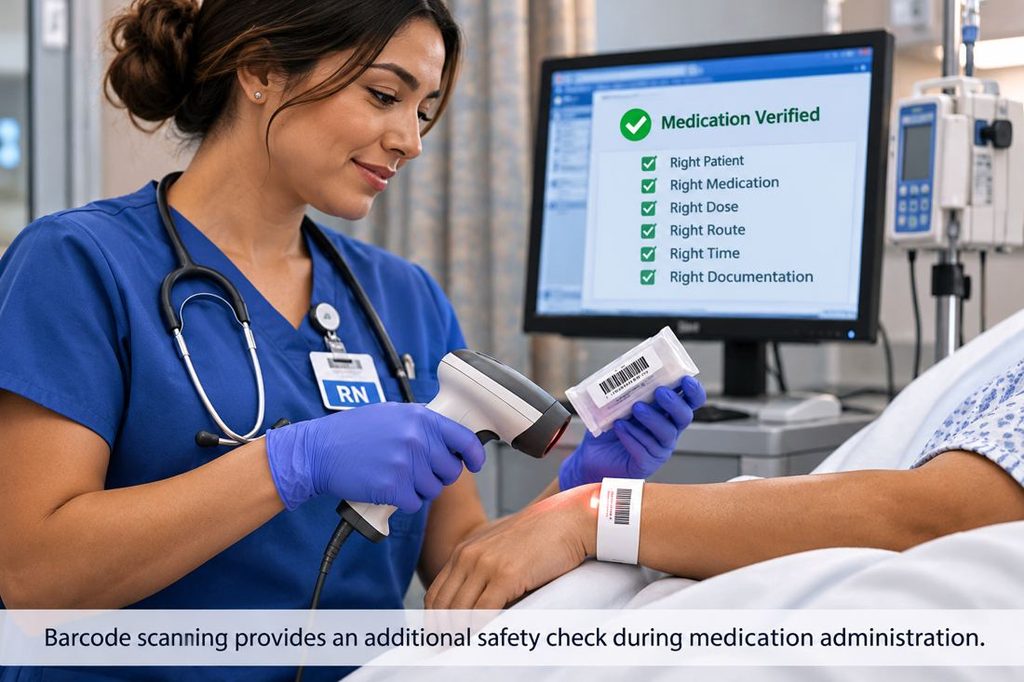
In addition to the electronic medical records discussed above, smart IV pumps are another example of how nursing informatics can improve patient safety. Smart IV pumps can help nurses identify possible medication errors and provide additional safety checks during medication administration (MacDowell et al., 2021).
For example, as a NICU nurse, technology is especially important because newborns often require small, carefully calculated medication doses and close monitoring. Electronic documentation allows nurses to follow changes in vital signs, record feedings, and monitor intake and output. Although technology is helpful, nurses must still use their clinical judgment and follow safety procedures when providing care. This ensures that patient safety always comes first.
Another really useful option is the smartphone system. With this option, you can access all of the same information you might see on any other nursing computer system, but handheld. This is particularly useful because instead of having to haul around a WOW (workstation on wheels), you simply have a phone in your pocket. If you’re at the patient’s bedside and need information or need to add something to their chart, it’s right there in your hand. This is particularly convenient because the nurse is less likely to forget something. This wont eliminate the need for other technology, but definitely a wonderful addition that gives quick and easy results.
Impact of Nursing Informatics on Medication Safety
Research has shown that nursing informatics can help reduce medication errors and improve patient safety. One example is barcode medication administration, which allows nurses to scan a patient’s identification band and medication before administration. In a study by Gauthier-Wetzel (2022), researchers found that implementing barcode medication administration technology was associated with a reduction in medication errors. These findings demonstrate how technology can support nurses in providing safer patient care.
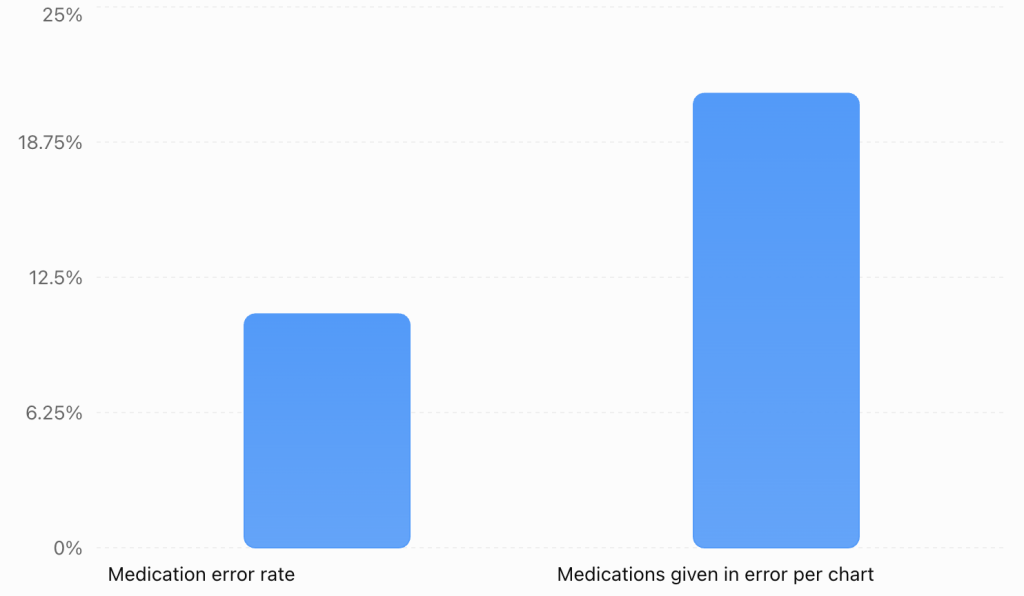
Figure 1. Reported reductions in medication errors following implementation of barcode medication administration technology (Gauthier-Wetzel, 2022).
Challenges
Informatics improve safety, but it must actually fit in to the way a nurse naturally works in order to do so reliably. Alarms, barcoding, copy-paste, and smart pumps were all introduced as tools to help maintain safety, but each presents its own risks when adopted quickly (ANA, 2022).
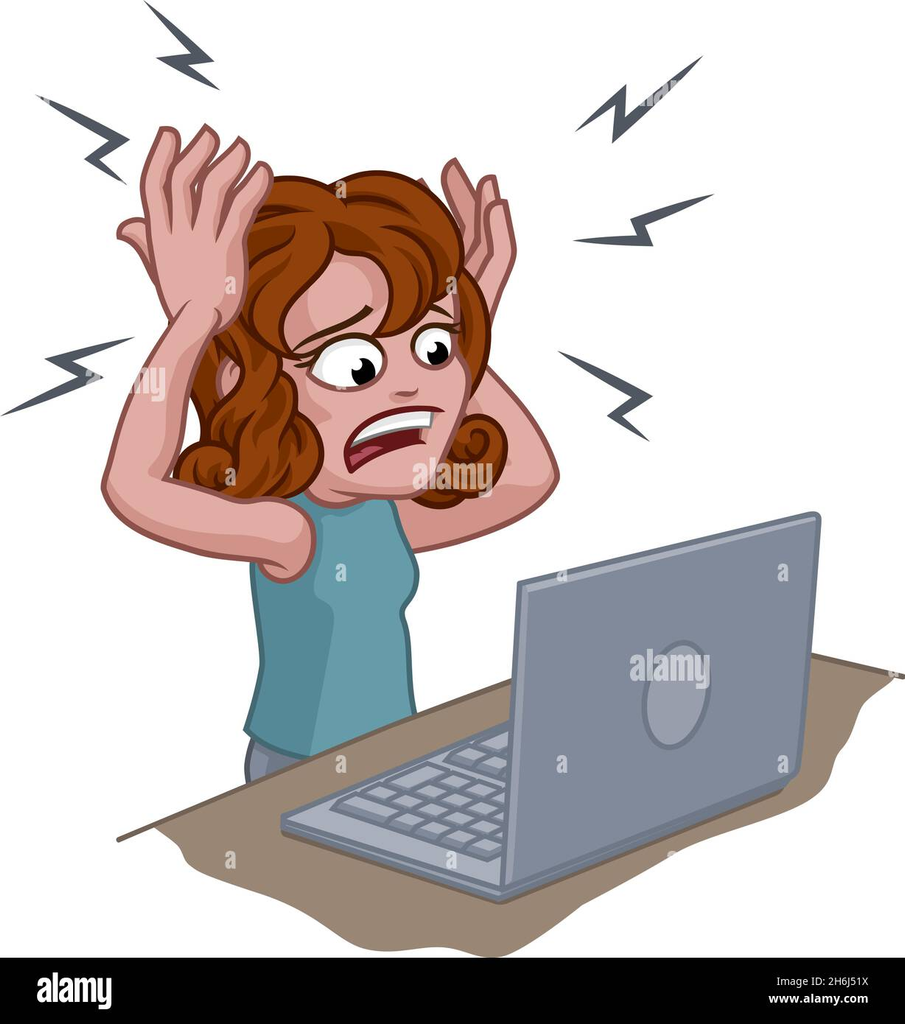
Alert fatigue: When too many alerts are presented in the EHR, nurses can become desensitized and start overriding both important alerts along with trivial alerts (AHRQ, 2019b).
https://www.pharmaceuticalpress.com/insights/article/what-is-alert-fatigue-in-healthcare/
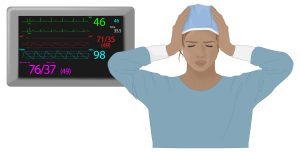
Alarm fatigue: Many devices sound alarms for a number of things. Too many of these alarms can lead to alarm fatigue. When this happens, nurses may silence the alarms, or adjust the parameters to stop from hearing the alarms so often. This could lead to an unsafe situation for the patient if the alarm doesn’t sound or a caregiver doesn’t react to it (The Joint Commission, 2013).
https://www.ncbi.nlm.nih.gov/books/NBK555522

Workarounds: Not completing a scan or charting ahead removes the safety check the system was designed to implement.
Documentation burden: If screens are designed poorly, documentation can take more time and become a burden that takes away from time for patient care (ANA, 2022).
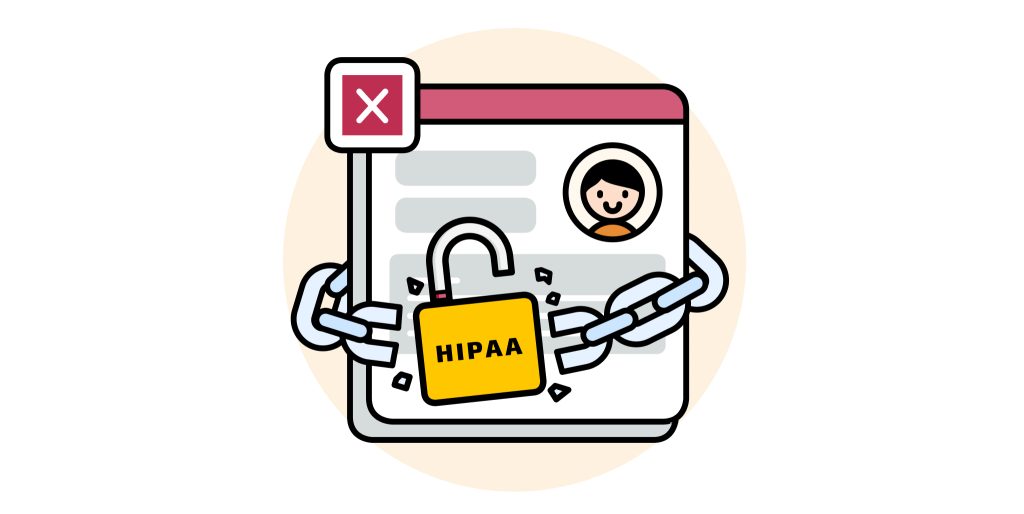
Privacy and security: Every EHR access must follow HIPAA. Nurses must not access EHR information of patients that they are not caring for.
- How Electronic Health Records Improve Nursing Communication
- Electronic health records are especially important in long term facilities because nurses working different shifts need access to accurate and updated resident information.
Careers in Nursing Informatics
Nursing informatics is used daily as a nurse. As mentioned above there are many pros to new technology and nursing informatics that help our patients. Also discussed how it comes with some challenges, but these tools are evolving every day to accommodate our patient needs and the needs of health care professionals. As a Informatics nurse you can become more involved with creating tools with the combination of nursing experience and knowing the challenges nurses and patients face when it comes to their health (Miller, 2025).
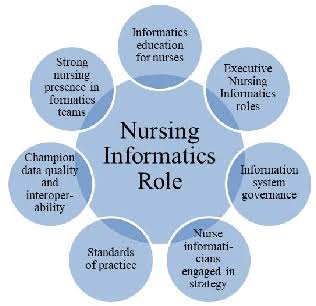
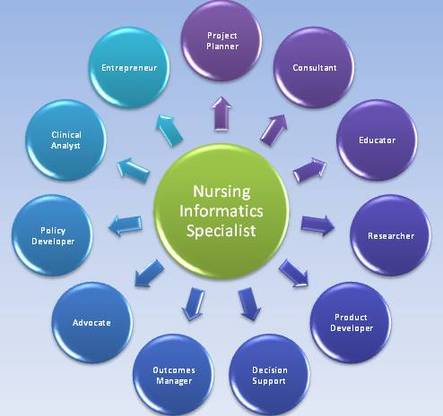
Certifications are available in nursing informatics. The American Nurses Credentialing Center (ANCC) offers the NIBC for becoming certified in nursing informatics (ANCC, n.d.). In addition, you can also get more involved as a nursing informatics specialist. This is different than nursing informatics. As a specialist, you must have a graduate degree in the field and the focus is more on a higher level, in example such as, developing programs, administration, creating software ect… (Miller, 2025).
Here are some ideas of how nursing informatics specialist aide in health care for our patients.
Importance of Nursing Informatics in Clinical Nursing Practice
- Improves Patient Safety: Through clinical warnings, electronic drug administration records (eMAR), and barcode medication scanning, nursing informatics assists nurses in preventing errors. These resources aid in ensuring that patients receive the right drug at the right time, in the right dosage, and via the right route.
- Promotes Early Recognition of Patient Deterioration: Nurses can detect abnormal vital signs and changes in patients’ conditions with the aid of electronic monitoring devices. Early detection enables nurses to alert doctors and other medical specialists to take action before a patient’s condition deteriorates.
- Supports Clinical Decision-Making: Vital signs, test results, medication lists, allergies, and medical histories are all reviewed by nurses using electronic health records (EHRs). Having access to this data enables nurses to identify any issues and make the best clinical choices.
- Enhances Communication Among Healthcare Professionals: Nurses can connect with doctors, pharmacists, and other healthcare team members through secure messaging services. This is particularly crucial when a patient’s health changes or when they require clarification on prescription drugs or treatment regimens.
- Supports Patient Monitoring: Electronic systems are used by nurses to track vital signs, intake and output, blood glucose levels, and other clinical measurements. Nurses can identify patterns and assess the efficacy of therapies by monitoring these outcomes.
References
Agency for Healthcare Research and Quality. (2019b). Alert fatigue [Patient safety primer]. PSNet. https://psnet.ahrq.gov/primer/alert-fatigue
American Nurses Association. (2022). Nursing informatics: Scope and standards of practice (3rd ed.).
American Nurses Credentialing Center (ANCC). (n.d.). Informatics nursing certification. https://www.nursingworld.org/our-certifications/informatics-nurse/
Gauthier-Wetzel, H. E. (2022). Barcode medication administration software technology use in the emergency department and medication error rates. Computers, Informatics, Nursing, 40(6), 382–388. https://doi.org/10.1097/CIN.0000000000000846
MacDowell, P., Cabri, A., & Davis, M. (2021, March 12). Medication administration errors. PSNet. https://psnet.ahrq.gov/primer/medication-administration-errors
Miller, K.S. (2025). Informatics and nursing: Opportunities and challenges (7th ed.). Wolters Kluwer.
Office of the National Coordinator for Health Information Technology. (2025, December 10). Electronic health records and their benefits. https://healthit.gov/health-it-basics/benefits-ehrs/
Reale, C., Ariosto, D. A., Weinger, M. B., & Anders, S. (2023). Medication safety amid technological change: Usability evaluation to inform inpatient nurses’ electronic health record system transition. Journal of General Internal Medicine, 38(Suppl. 4), 982–990. https://doi.org/10.1007/s11606-023-08278-1
The Joint Commission. (2013, April 8). Medical device alarm safety in hospitals (Sentinel Event Alert, Issue 50). https://jointcommission.org/sea_issue_50
Hants, L., Bail, K., & Paterson, C. (2023). Clinical decision-making and the nursing process in digital health systems: An integrated systematic review. Journal of Clinical Nursing, 32(19–20), 7010–7035. https://doi.org/10.1111/jocn.16823
Attachments
| File | Size | Added |
|---|---|---|
| wp-2023-07-HIPAA-NonCompliance | 276 KB | Nov 9, 2026 |
| Businessman plugging ears with fingers | 21 KB | Nov 9, 2026 |
| article_alarms_monitor_CRNA_r00-1-300×152 | 7 KB | Nov 9, 2026 |
| chart-bar | 98 KB | Nov 8, 2026 |
| chart-bar | 75 KB | Nov 8, 2026 |
| nursing_informatics_patient_safety_small | 83 KB | Nov 5, 2026 |
| nursing_informatics_patient_safety_small | 110 KB | Nov 4, 2026 |
| nursing_informatics_patient_safety_small | 110 KB | Nov 4, 2026 |
Leave a Reply
You must be logged in to post a comment.