Group 9 Members: Darnell, Allysia, Osayi, LaChean, Nuha, Cerenity, Rijana
Nursing Informatics in the World of Clinical Practice
What is Nursing Informatics?
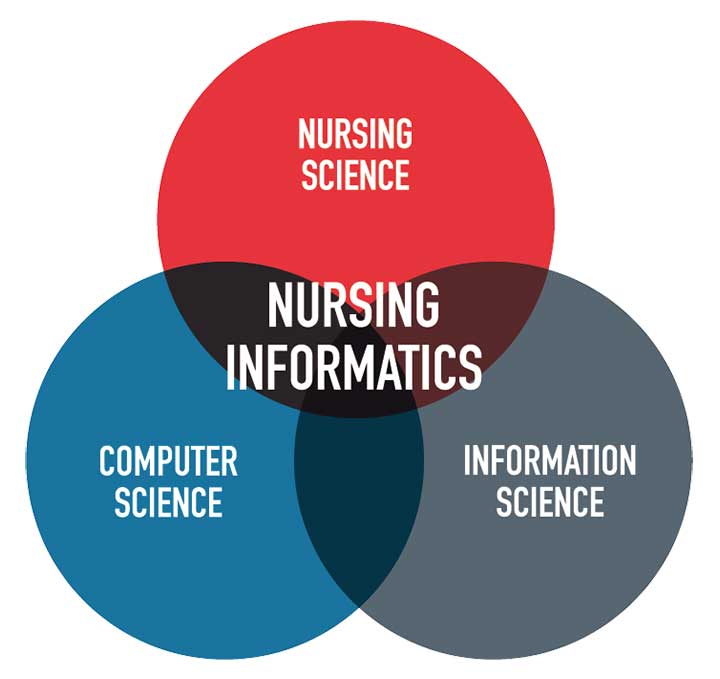
Nursing informatics is a specialized field of nursing that combines nursing knowledge and science with information and computer sciences to support the management and use of healthcare information. This specialty focuses on utilizing technology, and data to improve decision-making in clinical practice, improve communication among health care professionals and most importantly improve patient safety and the overall quality of patient care (American Nurses Association, 2022).
Nursing Informatics overview (8:32)
Core Goals of Nursing Informatics
Nursing Informatics has served many purposes, according to the American Nurses Association (2023) many goals/benefits include:
- Utilizing and advancing telehealth to encourage the use of virtual appointments
- Supporting advancements in patient care through research and data collection
- Creating safer practices for patient care
- Improving efficiency and communication in the workplace
- Utilization of data in creating patient-centered decisions and interventions
The Foundational Theory: The DIKW Framework
One theory essential to the foundation and utilization of Nursing Informatics today is the Data, Information, Knowledge, and Wisdom model. This theory was developed by Graves and Cocoran in 1989 and revised later on with the addition of wisdom in 1992 (Miller, 2025).
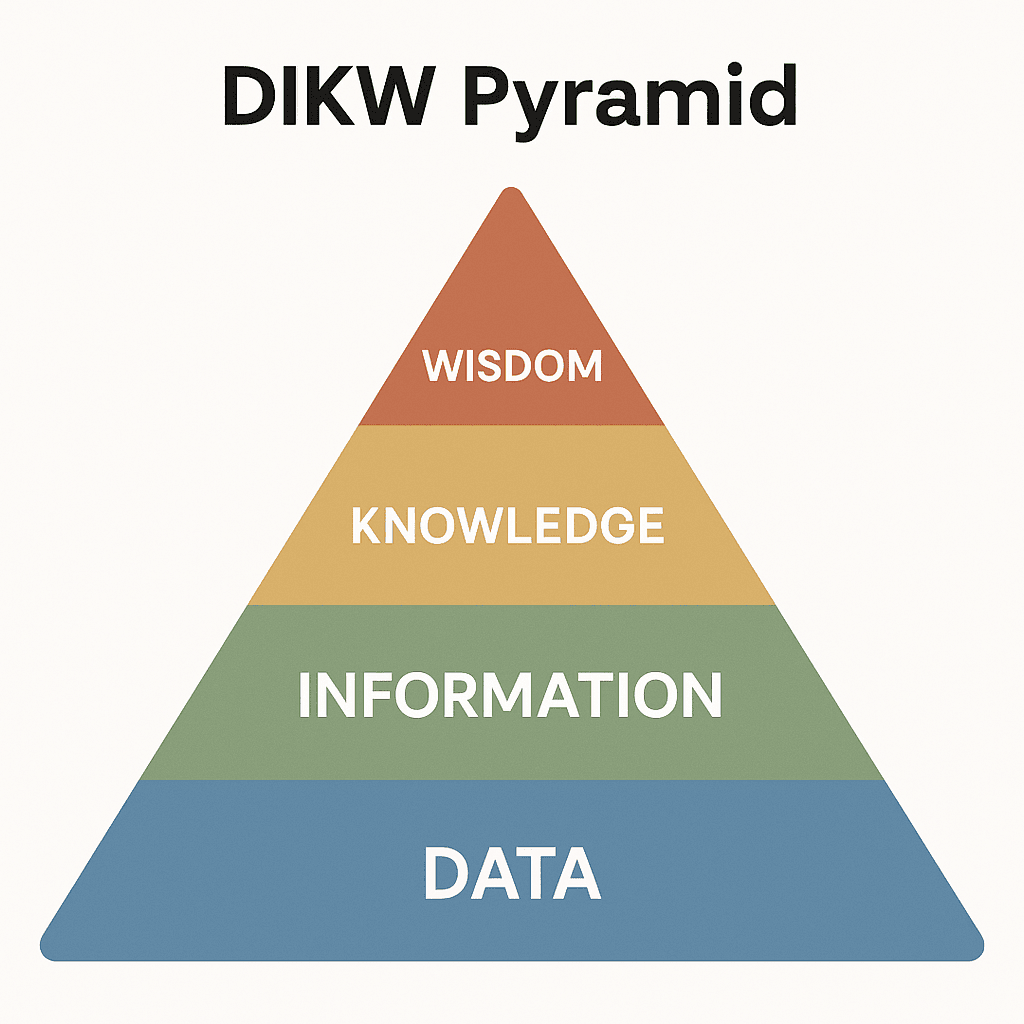
Data – Factual Statements/observations.
Example: Intracranial pressure of 14, 17, 19, and 24.
Information – Data with context that has been interpreted.
Example: The measurements above show an upward trend in ICPs hourly for the last 4 hours.
Knowledge – Synthesis of information developed by skills and experience
Example: Based on the upward trends in ICP, it indicates that there is a decrease in cerebral perfusion and increase in intracranial hypertension.
Wisdom – Application of knowledge utilized to solve problems.
Example: Notify the provider, position the head midline, keep the HOB elevated, administer mannitol or hypertonic saline per provider orders.
Developing Understanding using the DIKW Pyramid (2:57)
Clinical Practice & Informatics Tools
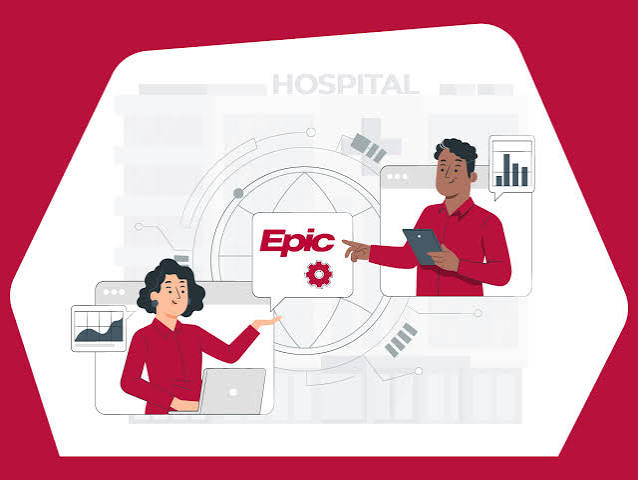
In clinical practice, nurses use different software programs to manage patient information and provide care. There are many different types of Electronic medical records. One example is Epic. Epic is a software that nurses use to document patient assessments, check medications, review lab results, record vital signs, and update patient records.

PointClickCare is an electronic health record that is often used in long-term care to document residents’ care, diets, medications, and health conditions.
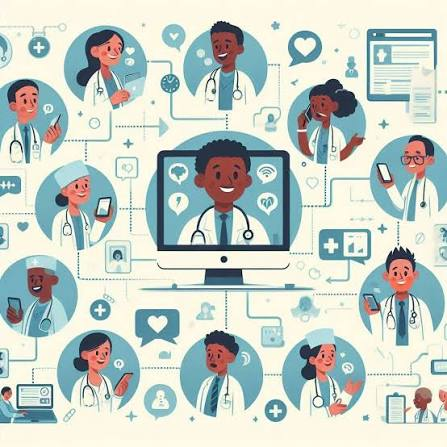
Nurses also use secure chat to communicate with doctors and other healthcare team members while protecting patient privacy (Healthcare Information and Management Systems Society, 2019).
Barcode Medication Administration
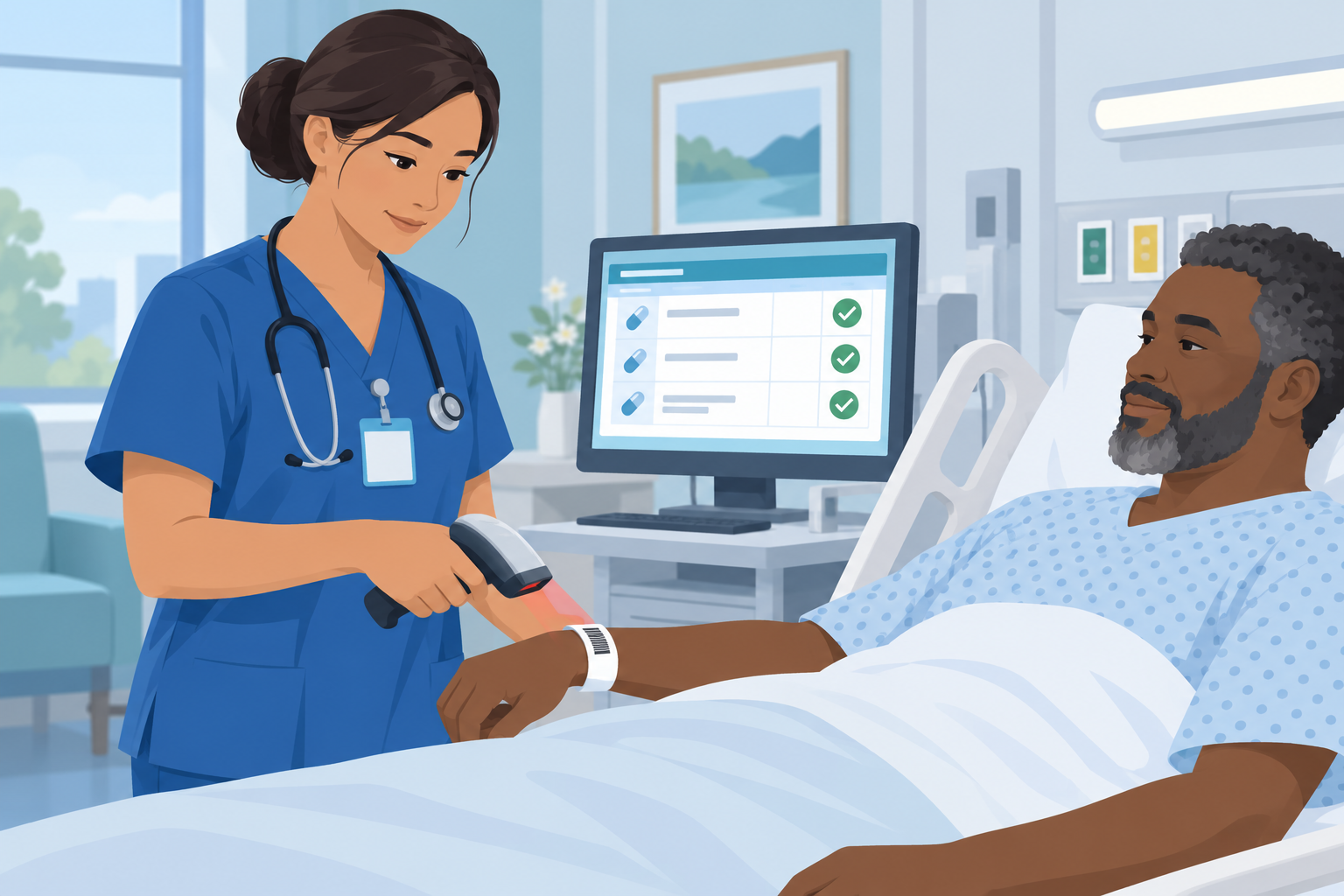
Barcode Medication Administration (BCMA) technology is an important tool that improves patient safety by allowing nurses to verify all 6 rights of medication administration efficiently by scanning the patient and the medication before administration to reduce errors (Eskenazi Health, 2023).
Medication Safety | Barcode Verification (0:52)
Telehealth & Remote Patient Monitoring
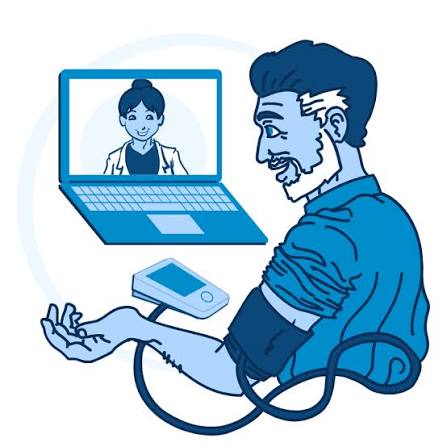
Telehealth allows patients to communicate with healthcare providers without traveling to a healthcare facility. Remote monitoring devices can also help healthcare teams track information such as blood pressure and blood glucose levels. These technologies can improve access to healthcare and support patients managing chronic conditions (Miller, 2025)
These are just a few of the many incorporations of computer and information sciences that we use in clinical practice. These technologies play a vital role in saving nurses time, improving communication with the healthcare team, reducing errors, and improving the quality of care that we give to our patients.
To learn more about how nursing technology continues to improve patient safety and outcomes, please visit the following link by the American Nurses Association : https://www.nursingworld.org/content-hub/resources/workplace/how-technology-is-changing-the-nursing-industry/ (ANA, 2024).
Nursing Informatics in Outpatient Mental Health
Nursing informatics plays an important role in outpatient mental health by helping nurses provide organized, safe, and consistent patient care. Technology allows healthcare professionals to monitor patient progress, communicate with providers, and recognize concerns that may require additional attention. For example, nurses working with patients diagnosed with depression, bipolar disorder, or schizophrenia can use electronic health records to review medication histories, document changes in behavior, and monitor treatment plans. This information helps the healthcare team recognize patterns, address missed appointments and provide appropriate follow-up care.

Another important example is telehealth, which allows patients to receive mental health services without physically being in office. This can be especially helpful for individuals who struggle with transportation, work schedules, or other barriers to receiving treatment. Research by Scott et al. (2022) reviewed nine clinical trials involving 1,268 patients and found that telehealth and face-to-face treatment for depression generally produced similar outcomes. This supports the value of technology as another option for delivering mental healthcare.
Overall, nursing informatics improves access to information, supports communication, and helps nurses provide more individualized care while maintaining the importance of personal patient interactions.
The Importance of Nursing Informatics
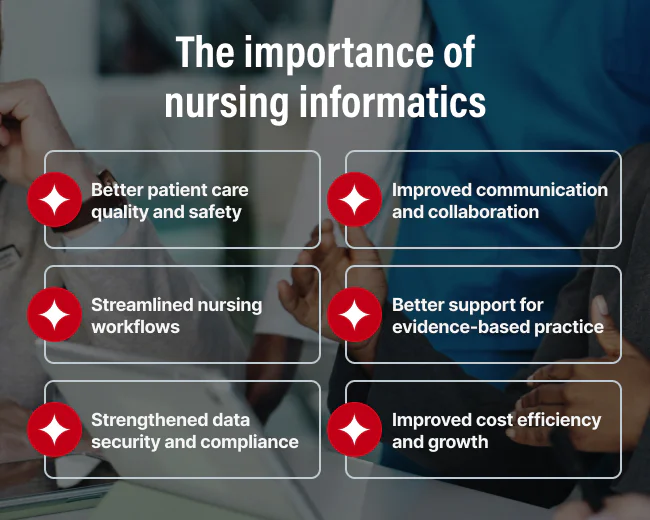
Nursing informatics is important because it helps nurses provide safer and more efficient care. When patient information is accurate and easy to access, nurses can recognize changes, communicate with other healthcare professionals, and make informed decisions. Although technology is helpful, nurses must still use their clinical judgment to provide safe and individualized patient care (Miller, 2025).
References
American Nurses Association. (2022). Nursing informatics: Scope and standards of practice (3rd ed.). https://www.nursingworld.org/globalassets/catalog/book-toc/nursing-informatics-3e-sample-chapter.pdf
American Nurses Association. (2023, July 5). What is nursing informatics and why is it so important? https://www.nursingworld.org/content-hub/resources/nursing-resources/nursing-informatics/
American Nurses Association. (2024, February 9). How technology is changing the nursing industry. https://www.nursingworld.org/content-hub/resources/workplace/how-technology-is-changing-the-nursing-industry/
Analytics Guy. (2020, August 5). Developing understanding using the DIKW pyramid [Video]. YouTube. https://www.youtube.com/watch?v=u9DoQ9gY4z4
Eskenazi Health. (2023, April 3). Medication safety | Barcode verification [Video]. YouTube. https://www.youtube.com/watch?v=XH2Bizl4rKs
Healthcare Information and Management Systems Society. (2019, July 3). What is nursing informatics? https://www.himss.org/resources/what-nursing-informatics
Miller, K. (2025). Informatics and nursing: Opportunities and challenges (7th ed.). Wolters Kluwer.
Nursing Informatics. (2020, November 12). Nursing informatics overview [Video]. YouTube. https://www.youtube.com/watch?v=ub1ScYHH3GE
Scott, A. M., Clark, J., Greenwood, H., Krzyzaniak, N., Cardona, M., Peiris, R., Sims, R., & Glasziou, P. (2022). Telehealth v. face-to-face provision of care to patients with depression: A systematic review and meta-analysis. Psychological Medicine, 52(14), 2852–2860. https://doi.org/10.1017/S0033291722002331
Leave a Reply
You must be logged in to post a comment.